United Nations Declares Access to Clean Water and Sanitation a Basic Human Right
2010 · New York City, United States
The United Nations declares the access to clean drinking water and sanitation a basic human right.
September 13, 2007
The United Nations General Assembly adopted the Declaration on the Rights of Indigenous Peoples, which outlines the rights of indigenous peoples globally.
New York City, United States | United Nations
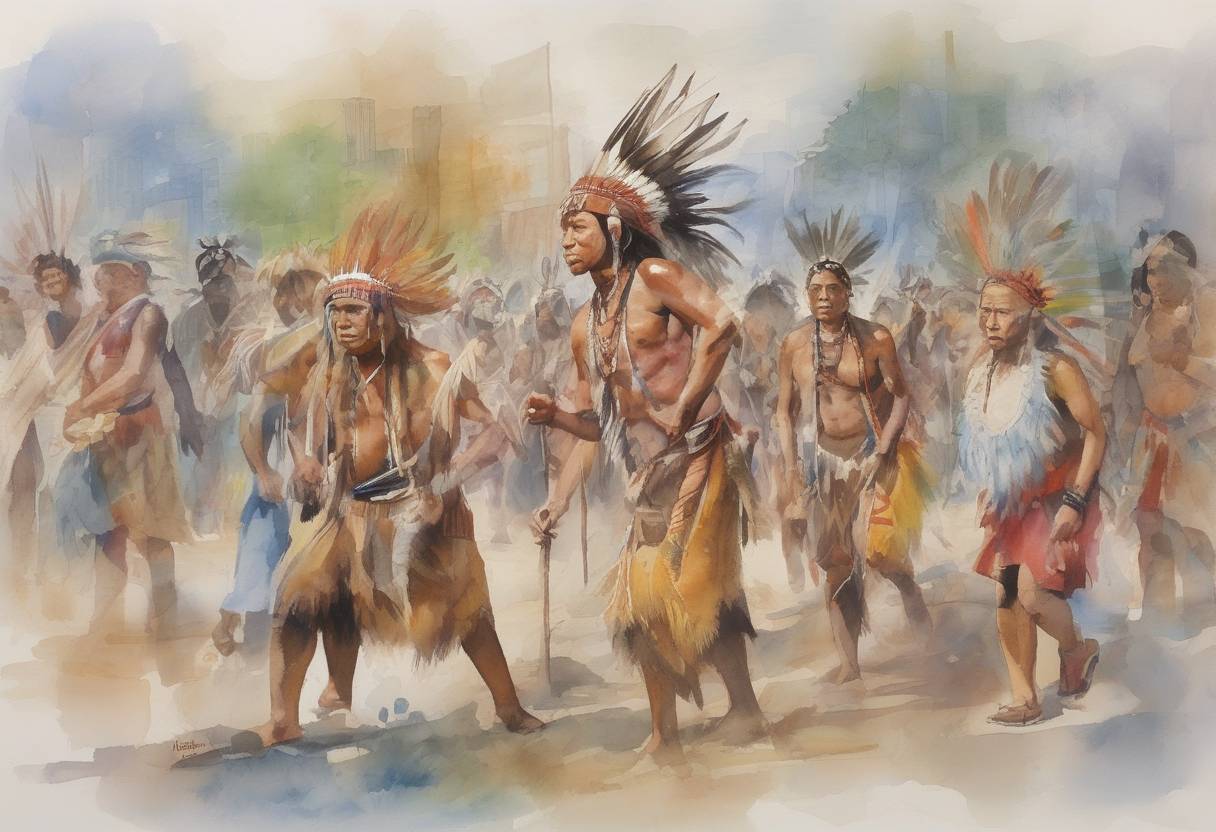
On September 13, 2007, the United Nations General Assembly adopted the Declaration on the Rights of Indigenous Peoples (UNDRIP), marking a significant milestone in the recognition and protection of indigenous peoples’ rights worldwide.
The journey towards the adoption of the Declaration began in 1982 when the UN established the Working Group on Indigenous Populations. This group was tasked with developing standards to protect indigenous rights. After years of consultations and negotiations involving indigenous representatives, states, and other stakeholders, a draft declaration was presented to the UN General Assembly.
The Declaration outlines a comprehensive framework for the rights of indigenous peoples, emphasizing:
The Declaration was adopted with an overwhelming majority, receiving 144 votes in favor. However, four countries—Australia, Canada, New Zealand, and the United States—voted against it, citing concerns over certain provisions related to land rights and self-determination. These countries have since endorsed the Declaration, acknowledging its importance in promoting indigenous rights.
The adoption of UNDRIP is a landmark achievement in international human rights law. It serves as a vital tool for indigenous communities to advocate for their rights and has influenced national policies and legislation worldwide. The Declaration underscores the importance of respecting and promoting the rights of indigenous peoples, contributing to their empowerment and the preservation of their cultures.
Since its adoption, the Declaration has been used as a framework for advancing indigenous rights globally. It has inspired legal reforms, policy changes, and increased awareness of indigenous issues. The UN continues to work with member states and indigenous communities to implement the principles of the Declaration, striving for a world where indigenous peoples can fully enjoy their rights and freedoms.
In summary, the adoption of the Declaration on the Rights of Indigenous Peoples on September 13, 2007, represents a crucial step towards justice and equality for indigenous peoples, fostering a more inclusive and respectful global community.
Source: www.un.org