Earthquake in Central Italy - August 24, 2016
2016 · Amatrice, Italy
A magnitude 6.2 earthquake struck central Italy, causing significant destruction and resulting in the deaths of nearly 300 people.
April 6, 2009
A devastating earthquake struck the Abruzzo region in central Italy, with its epicenter near L'Aquila, causing widespread destruction and resulting in the deaths of 308 people.
L'Aquila, Italy | Italian Civil Protection Department
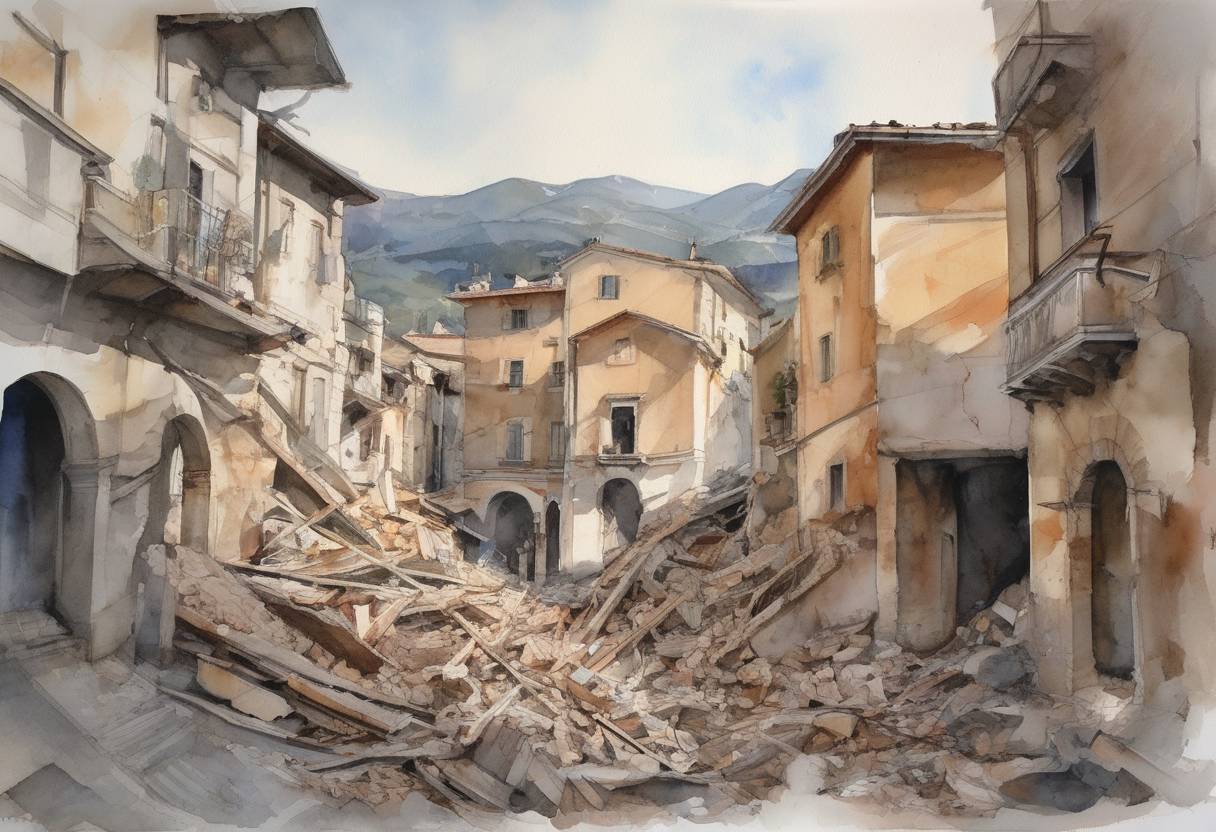
On April 6, 2009, a devastating earthquake struck the Abruzzo region in central Italy, with its epicenter near the city of L’Aquila. This seismic event had a magnitude of 6.3 on the Richter scale and occurred at 3:32 AM local time. The earthquake caused widespread destruction and resulted in the tragic loss of 308 lives.
L’Aquila, the capital of the Abruzzo region, is situated in a seismically active area of Italy. The region has a long history of earthquakes, with significant seismic activity recorded over the centuries. Prior to the 2009 earthquake, the area had experienced a series of smaller tremors, which some experts believe may have been foreshocks.
Epicenter and Impact: The earthquake’s epicenter was located near L’Aquila, approximately 95 kilometers (59 miles) northeast of Rome. The quake was shallow, occurring at a depth of about 9.5 kilometers (5.9 miles), which contributed to the severe damage.
Destruction: The earthquake caused extensive damage to buildings and infrastructure in L’Aquila and surrounding towns. Many historical structures, including churches and monuments, were severely damaged or destroyed. Residential buildings, particularly those not built to modern seismic standards, suffered significant damage.
Casualties and Displacement: The earthquake resulted in the deaths of 308 people and injured over 1,500. Approximately 65,000 people were displaced from their homes, leading to a humanitarian crisis as emergency services and volunteers worked to provide shelter and aid.
Rescue and Relief Efforts: In the immediate aftermath, rescue teams, including local and international aid workers, were deployed to search for survivors and provide assistance to those affected. Temporary shelters and camps were established to accommodate the displaced population.
Reconstruction and Recovery: The Italian government launched a significant reconstruction effort, which included rebuilding homes, infrastructure, and cultural heritage sites. The recovery process was lengthy and faced challenges, including bureaucratic delays and funding issues.
Legal and Political Repercussions: The earthquake led to legal proceedings against several scientists and officials who were accused of providing inadequate warnings about the seismic risk. This controversial trial highlighted the complexities of earthquake prediction and risk communication.
The 2009 L’Aquila earthquake underscored the vulnerability of regions with historical architecture to seismic events and the importance of enforcing building codes that can withstand such natural disasters. It also sparked discussions on improving earthquake preparedness and response strategies in Italy and other seismically active regions worldwide.
The event remains a poignant reminder of the destructive power of earthquakes and the need for continued advancements in seismic research and disaster management.
Source: en.wikipedia.org