Abolition of Slavery by the French National Convention on February 4, 1794
1794 · Paris, France
The French National Convention abolished slavery in all French territories.
February 5, 1794
The French National Convention banned slavery in all its territories.
Paris, France | French National Convention
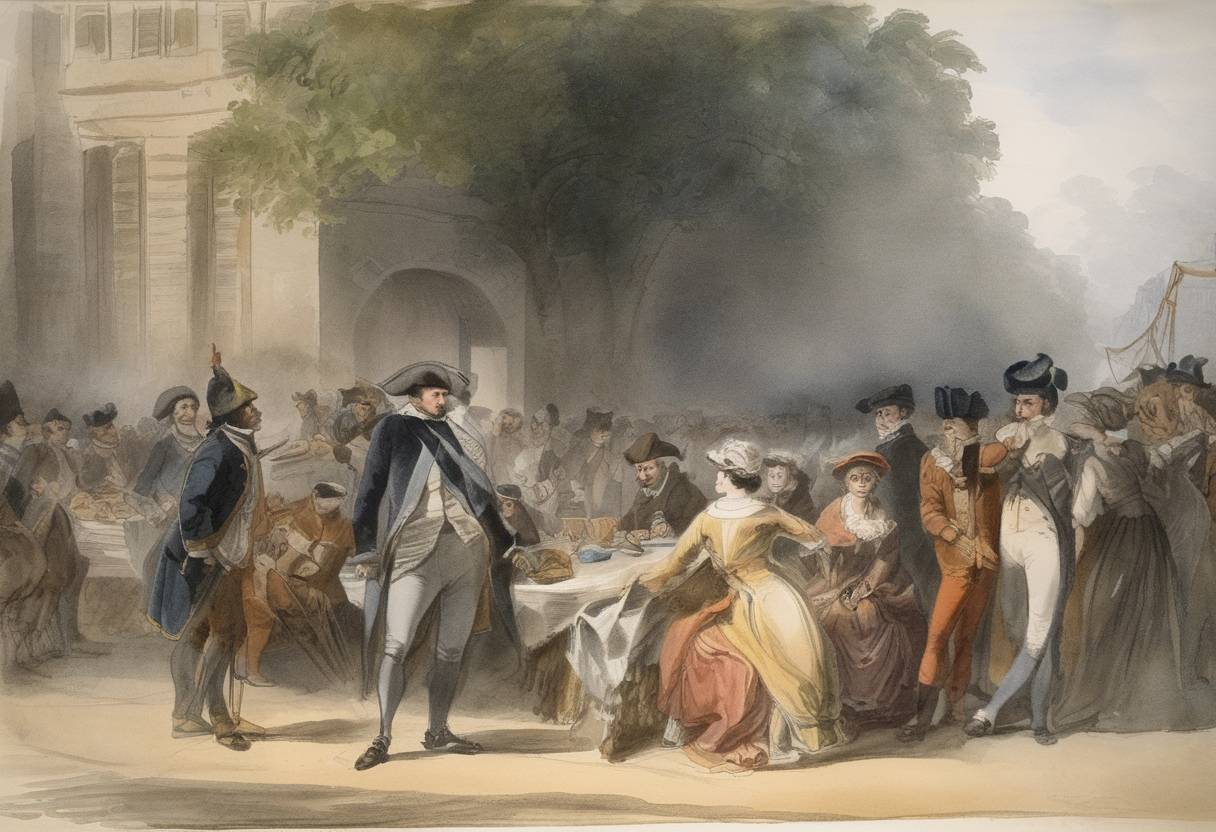
On February 5, 1794, the French National Convention decreed the abolition of slavery in all territories of the French Republic. This pivotal decision came amidst the radical phase of the French Revolution and was driven by revolutionary ideals of liberty, equality, and fraternity.
The French Revolution, beginning in 1789, sought to dismantle the ancien régime and promote democratic governance grounded in Enlightenment principles. The revolutionary fervor led to widespread social reform and challenged long-established institutions and practices, including slavery.
France’s vast colonial empire, particularly in the Caribbean, relied heavily on enslaved labor for plantation agriculture. The most populous and profitable colony, Saint-Domingue (present-day Haiti), was vital to France’s economy but was also a site of profound unrest and resistance against oppression.
The events leading up to the abolition decree were significantly influenced by the slave revolt in Saint-Domingue which erupted in 1791. Enslaved and free black individuals, influenced by revolutionary ideas and aided by the instability within France and its colonies, initiated a fierce struggle for liberation that would ultimately contribute to the decision to abolish slavery.
The complex geopolitical situation, including external threats from European nations and an internal civil war, pressured the revolutionary government to address issues of slavery as part of its broader social and political reform agenda.
On February 5, 1794, the National Convention, led by revolutionary figures like Maximilien Robespierre and Georges Danton, enacted the law abolishing slavery in all French territories. The decree declared that all men, regardless of race or origin, were free citizens with full rights within the French Republic.
This legislative act marked France as the first major European nation to abolish slavery across its empire, underscoring the radical social changes being pursued.
This abolition was a revolutionary milestone that bolstered the resolve of those fighting for universal human rights. However, its application was uneven, and many colonists resisted its implementation. Furthermore, it was short-lived; in 1802, under Napoleon Bonaparte, slavery was reinstated in French colonies due to economic pressures and imperial ambitions.
The 1794 abolition left an indelible mark on the broader abolitionist movements globally and inspired other regions to reconsider and eventually dismantle the institution of slavery.
The 1794 abolition of slavery by the French National Convention highlighted the dynamic interplay between revolutionary ideals and colonial realities. It reinforced the principles of equality and set a precedent in the global struggle against slavery, though faced with significant challenges and reversals in its immediate aftermath.
Source: www.britannica.com