The Waco Siege: Conclusion on April 19, 1993
1993 · Waco, United States
The Waco siege ends when the Branch Davidian compound in Waco, Texas, is destroyed by fire after a 51-day standoff with federal agents.
August 18, 1992
The Ruby Ridge standoff began in Idaho, involving Randy Weaver, his family, and federal agents, leading to a deadly confrontation.
Naples, United States | Federal Bureau of Investigation
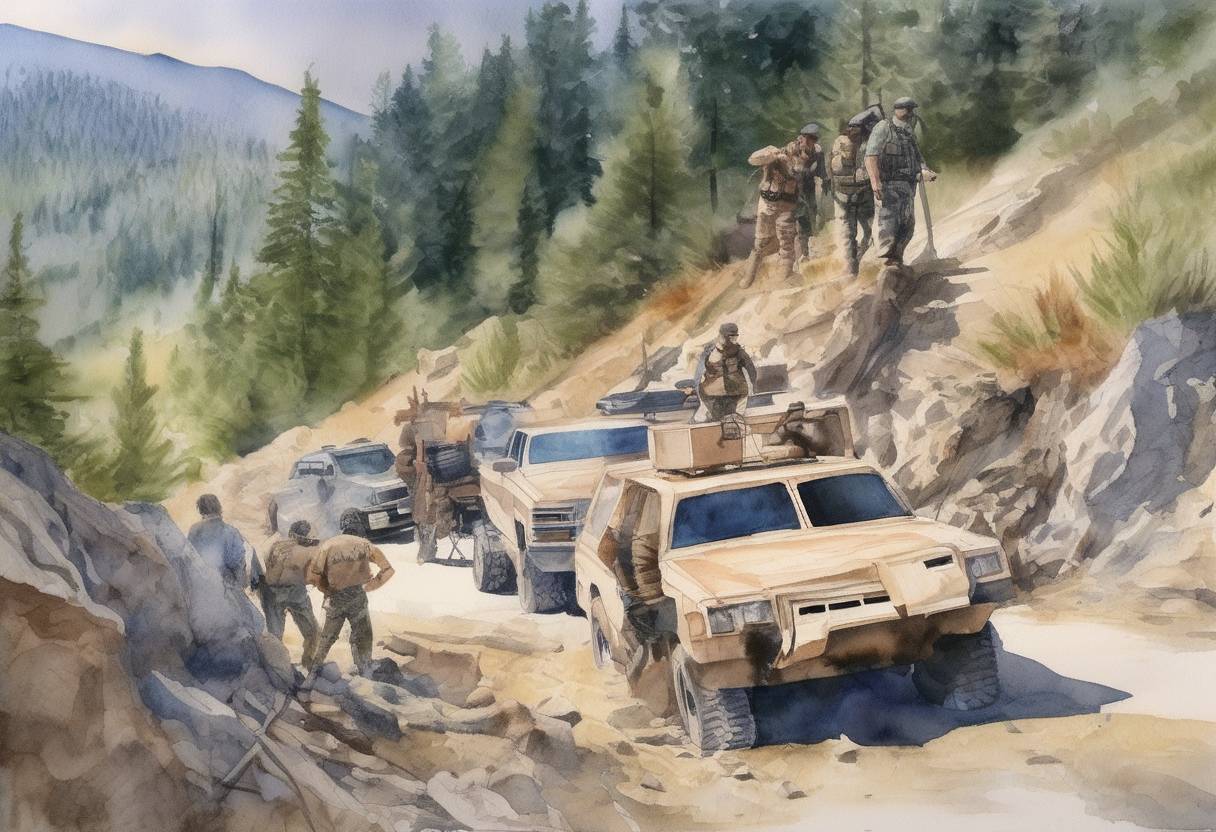
The Ruby Ridge standoff was a significant and controversial event in American history, beginning on August 18, 1992. It involved Randy Weaver, his family, and federal agents, culminating in a deadly confrontation that had lasting implications for law enforcement and militia movements in the United States.
Randy Weaver was a former factory worker and U.S. Army Green Beret who moved with his family to a remote cabin on Ruby Ridge in northern Idaho in the 1980s. Weaver held anti-government beliefs and was associated with the Aryan Nations, a white supremacist group, although he was not a member.
In 1989, Weaver was approached by an undercover agent from the Bureau of Alcohol, Tobacco, and Firearms (ATF) and was later charged with selling two illegal sawed-off shotguns. Weaver failed to appear in court for these charges, leading to a bench warrant for his arrest.
The standoff began on August 18, 1992, when U.S. Marshals attempted to arrest Weaver at his cabin. The marshals encountered resistance, leading to a violent confrontation. On August 21, during a reconnaissance mission, a shootout occurred, resulting in the death of Deputy U.S. Marshal William Degan and Weaver’s 14-year-old son, Samuel.
Following this initial confrontation, the Federal Bureau of Investigation (FBI) was called in, and the situation escalated. The FBI’s Hostage Rescue Team was deployed, and the standoff continued for several days. On August 22, an FBI sniper shot and killed Weaver’s wife, Vicki, while she was holding their infant daughter.
The standoff ended on August 31, 1992, when Weaver surrendered. The incident resulted in the deaths of three people: Samuel Weaver, Vicki Weaver, and Deputy Marshal Degan. Randy Weaver was arrested and later acquitted of most charges, although he was convicted of failing to appear in court and violating his bail conditions.
The Ruby Ridge standoff had significant repercussions:
The Ruby Ridge standoff remains a pivotal moment in U.S. history, highlighting the complexities of law enforcement, civil liberties, and the challenges of balancing security with individual rights.
Source: en.wikipedia.org