June 12, 1827

Lloyd's of London, a well-known insurance market, established the Lloyd's Register of British Shipping, a classification society to evaluate the quality of ships.


London, United Kingdom | Lloyd's of London
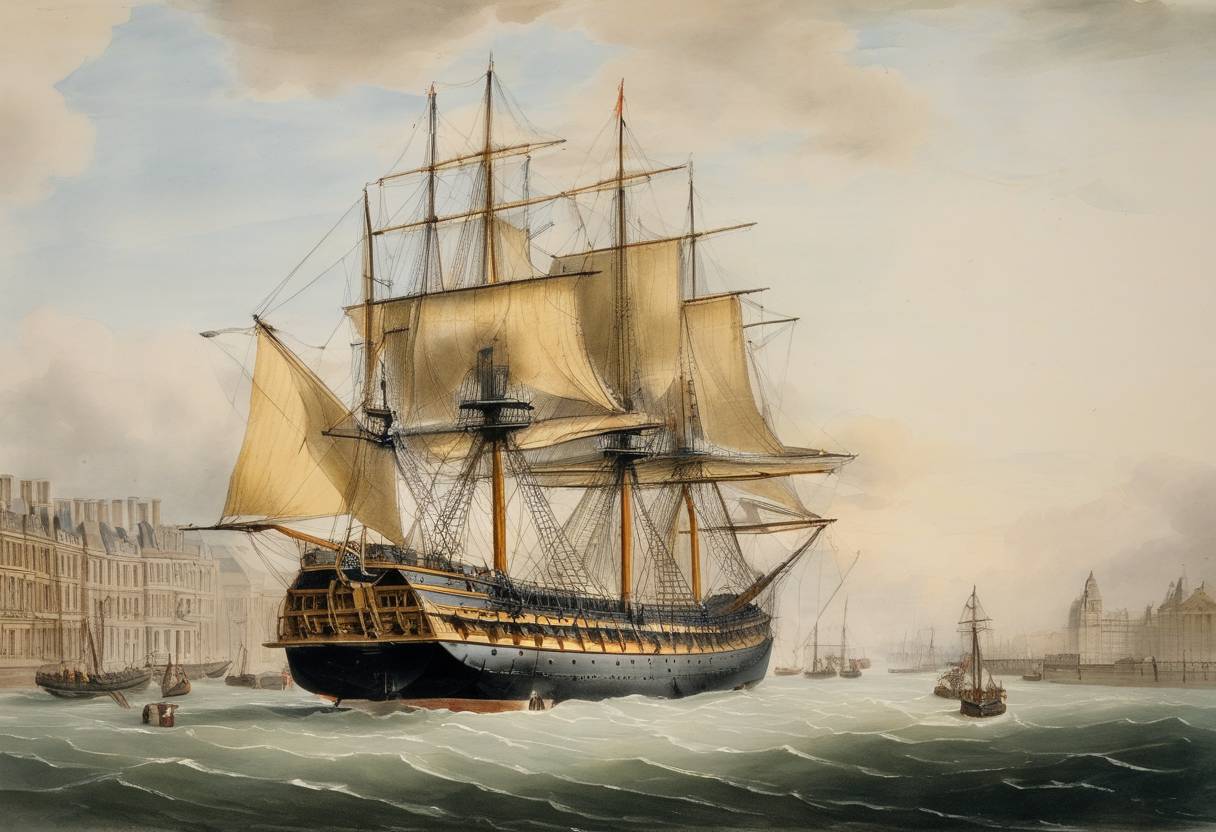
Watercolor painting based depiction of Lloyd's of London, a well-known insurance market, established the Lloyd's Register of British Shipping, a classification society to evaluate the quality of ships. (1827)

Establishment of Lloyd’s Register of British Shipping - June 12, 1827

On June 12, 1827, Lloyd’s of London, a prominent insurance market, founded the Lloyd’s Register of British Shipping. This organization was established as a classification society aimed at improving safety and standards in the shipping industry. The creation of this registry marked a pivotal step toward the systematic evaluation of ship quality and seaworthiness.

Background and Context

  • Lloyd’s of London: Initially rooted in Edward Lloyd’s coffee house in the late 17th century, it became a hub for maritime insurance and gathered businessmen who cooperated on the risks associated with shipping.
  • Need for Standardization: The early 19th century witnessed rapid expansions in global trade, necessitating reliable systems to ensure the quality and safety of ships, which were crucial to trade infrastructure and maritime insurance.

Key Functions

  • Classification: Lloyd’s Register instituted standardized classifications for ships, which were crucial for establishing credibility and assessing the insurance risk associated with individual vessels.
  • Inspection and Rating: Ships were evaluated based on construction, maintenance, and seaworthiness, receiving a rating that reflected their quality and security. This system played a critical role in providing transparent and standardized criteria for naval architects, shipbuilders, and insurers.

Impact and Significance

  • Insurance Underwriting: By providing accuracy in ship evaluations, the Register underpinned more informed risk assessments and fairer insurance premiums.
  • Maritime Safety: The rigorous checks and classifying practices pioneered by Lloyd’s Register promoted higher safety standards in shipbuilding and operation, reducing maritime accidents.
  • Global Influence: Lloyd’s Register became a model for similar classification societies worldwide, influencing global maritime practices and ensuring industry continuity and coherence.

The Lloyd’s Register of British Shipping’s establishment was a landmark development. It revolutionized how maritime safety and insurance risks were managed, which had far-reaching effects on international trade and navigation, resonating with contemporary practices in marine classification and insurance underwriting.