TWA Flight 800 Disaster
Overview
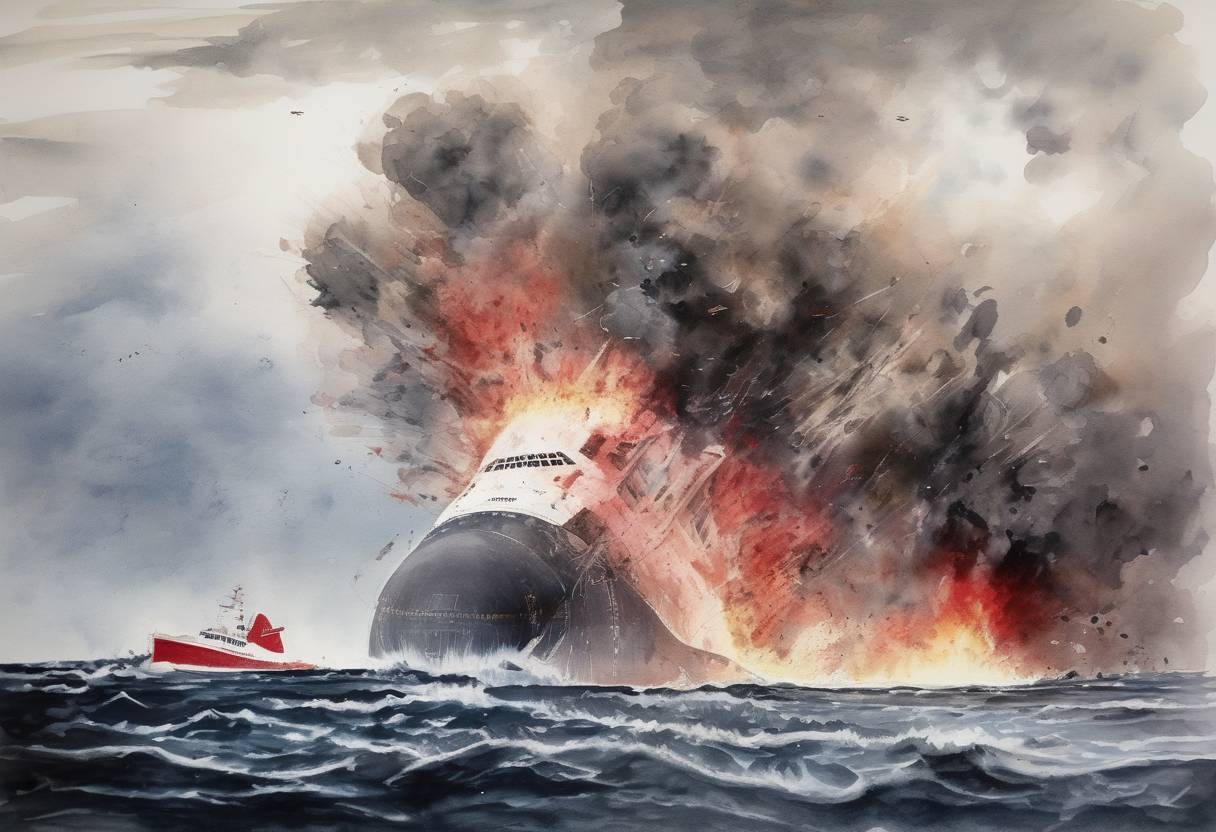
On July 17, 1996, Trans World Airlines Flight 800, a Boeing 747-131, tragically exploded and crashed into the Atlantic Ocean near East Moriches, New York. The disaster resulted in the loss of all 230 passengers and crew on board, marking one of the deadliest aviation accidents in U.S. history.
Background
- Flight Details: TWA Flight 800 was a scheduled international passenger flight from John F. Kennedy International Airport in New York City to Charles de Gaulle Airport in Paris, France.
- Aircraft: The aircraft involved was a Boeing 747-131, which had been in service since 1971.
The Incident
- Time of Crash: The explosion occurred at approximately 8:31 PM EDT, just 12 minutes after takeoff.
- Location: The aircraft crashed into the Atlantic Ocean about 8 miles south of East Moriches, Long Island, New York.
- Immediate Aftermath: Witnesses reported seeing a bright flash and a fireball in the sky. Debris and wreckage were scattered over a wide area of the ocean.
Investigation
- Initial Theories: Early speculation included the possibility of a terrorist attack or missile strike, given the explosion’s nature and timing.
- NTSB Involvement: The National Transportation Safety Board (NTSB) led a comprehensive investigation, one of the most extensive in aviation history.
- Findings: After a four-year investigation, the NTSB concluded that the likely cause of the explosion was a spark from a short circuit that ignited the flammable fuel/air mixture in the center wing fuel tank.
Aftermath and Impact
- Safety Recommendations: The NTSB issued several safety recommendations, including changes to aircraft design to prevent similar incidents, such as the installation of fuel tank inerting systems.
- Regulatory Changes: The Federal Aviation Administration (FAA) implemented new regulations to enhance aircraft safety, focusing on wiring and fuel tank safety.
- Public and Media Attention: The disaster received significant media coverage and led to increased public awareness and concern about aviation safety.
Broader Significance
The TWA Flight 800 disaster underscored the importance of rigorous safety standards in aviation and prompted advancements in aircraft design and maintenance protocols. It also highlighted the complexities of accident investigations and the need for thorough, evidence-based conclusions to prevent future tragedies.
The incident remains a somber reminder of the potential vulnerabilities in aviation technology and the continuous need for vigilance and improvement in safety measures.