Pope Benedict XVI's Resignation: February 28, 2013
2013 · Vatican City, Vatican City
Pope Benedict XVI resigns from the papacy, becoming the first pope to do so since Gregory XII in 1415.
March 13, 2013
Jorge Mario Bergoglio was elected as the 266th pope of the Roman Catholic Church, taking the name Pope Francis. He became the first pope from the Americas, the first non-European pope in over a millennium, and the first Jesuit pope.
Vatican City, Vatican City | Roman Catholic Church
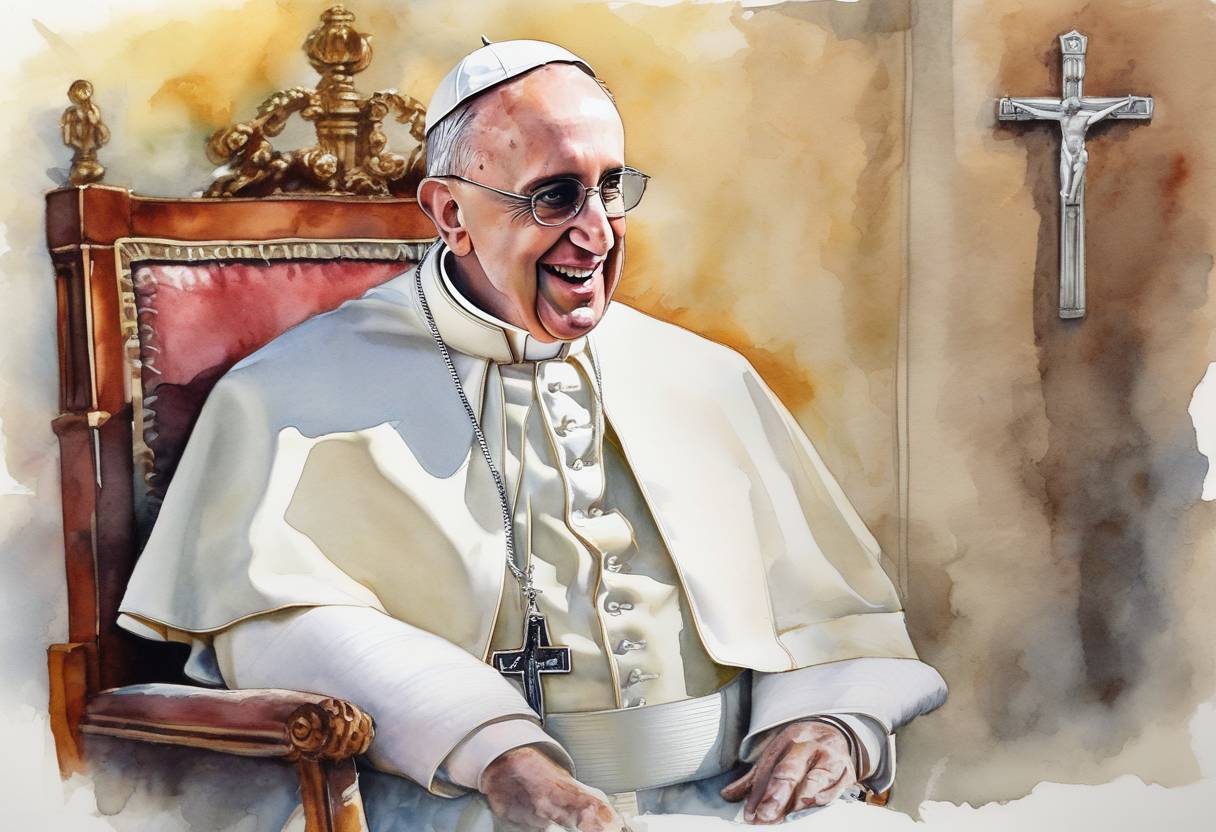
On March 13, 2013, Jorge Mario Bergoglio was elected as the 266th pope of the Roman Catholic Church, taking the papal name Pope Francis. His election marked several historic firsts: he became the first pope from the Americas, the first non-European pope in over a millennium, and the first Jesuit pope.
The election of Pope Francis followed the unexpected resignation of Pope Benedict XVI on February 28, 2013, the first papal resignation in nearly 600 years. This led to a conclave, a gathering of the College of Cardinals, to elect a new pope. The conclave began on March 12, 2013, in the Sistine Chapel, with 115 cardinal electors participating.
Before his election, Jorge Mario Bergoglio was the Archbishop of Buenos Aires, Argentina. Born on December 17, 1936, in Buenos Aires, he joined the Society of Jesus (Jesuits) in 1958 and was ordained a priest in 1969. Known for his humility, commitment to social justice, and simple lifestyle, Bergoglio was a prominent figure in the Argentine Church.
On the evening of March 13, 2013, white smoke billowed from the chimney of the Sistine Chapel, signaling that a new pope had been elected. Shortly thereafter, Cardinal Jean-Louis Tauran announced “Habemus Papam” (“We have a pope”) from the balcony of St. Peter’s Basilica, introducing Jorge Mario Bergoglio as Pope Francis.
Pope Francis chose his papal name in honor of Saint Francis of Assisi, reflecting his dedication to humility, poverty, and peace. This choice underscored his commitment to addressing issues of inequality and advocating for the poor and marginalized.
Pope Francis’s papacy has been characterized by a focus on compassion, outreach to the marginalized, and a call for a “poor Church for the poor.” He has addressed issues such as climate change, economic inequality, and the need for interfaith dialogue.
The election of Pope Francis on March 13, 2013, was a transformative moment for the Roman Catholic Church, bringing a new perspective and emphasis on global issues. His leadership continues to influence the Church’s direction and its role in addressing contemporary challenges.
Source: www.britannica.com