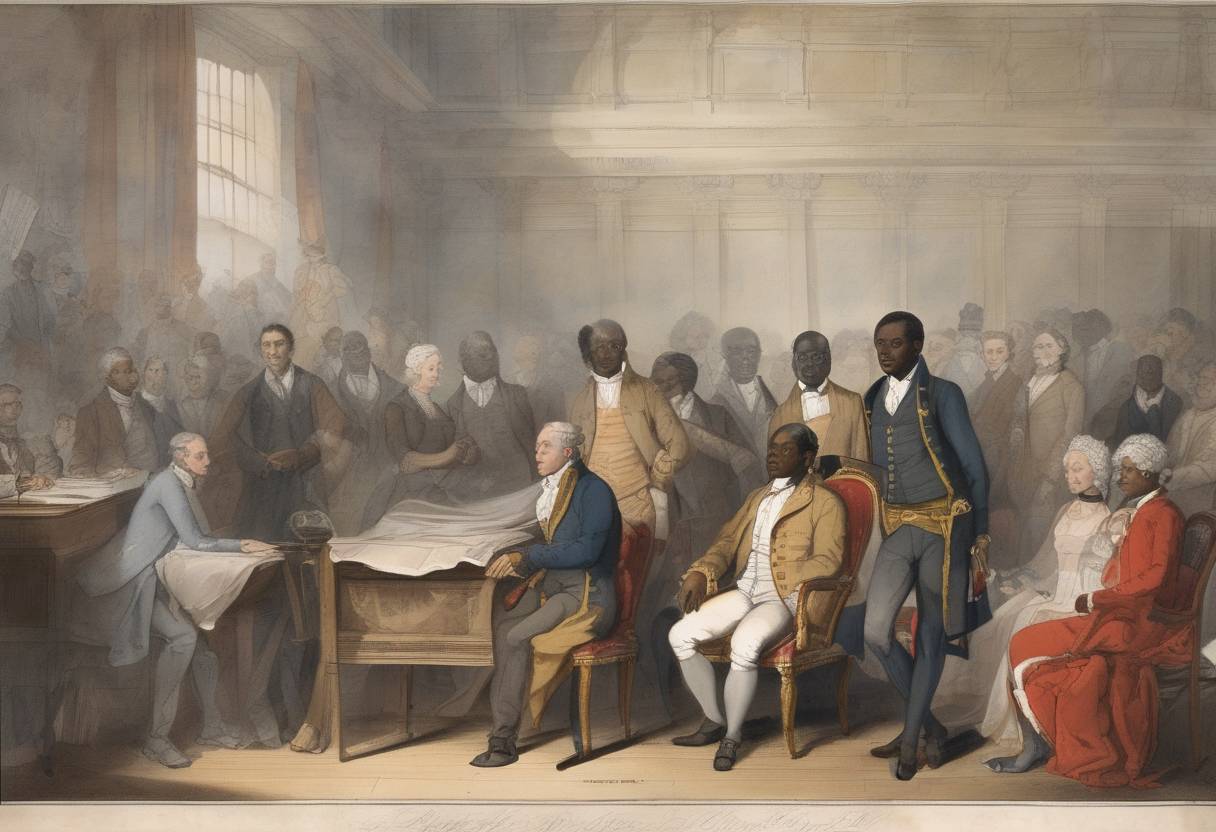
The Slave Trade Act of 1807
On March 25, 1807, the Slave Trade Act received Royal Assent, marking a pivotal moment in the history of the British Empire and the global movement to abolish the transatlantic slave trade. This legislation made it illegal to engage in the slave trade within the British Empire, a significant step towards the eventual abolition of slavery itself.
Historical Context
The transatlantic slave trade had been a cornerstone of the British economy since the 16th century, with British ships transporting millions of enslaved Africans to the Americas. The trade was not only a source of immense wealth for British merchants but also a critical component of the triangular trade, which involved the exchange of goods between Europe, Africa, and the Americas.
Key Events Leading to the Act
The movement to abolish the slave trade gained momentum in the late 18th century, driven by a combination of moral, economic, and political factors:
Abolitionist Movement: The abolitionist movement, led by figures such as William Wilberforce, Thomas Clarkson, and Granville Sharp, played a crucial role. These activists raised public awareness about the inhumanity of the slave trade through pamphlets, petitions, and public speaking.
Economic Changes: The Industrial Revolution began to shift economic interests away from the slave-dependent plantation economies, reducing the perceived necessity of the slave trade.
Legal and Political Efforts: The British Parliament saw increasing pressure to address the moral and ethical concerns surrounding the slave trade. The abolitionists’ persistent lobbying and the changing public opinion eventually led to legislative action.
The Passage of the Act
The Slave Trade Act was introduced by William Wilberforce and supported by Prime Minister William Grenville. After years of debate and several failed attempts, the Act was finally passed by the British Parliament in 1807. It prohibited the trading of enslaved people in the British Empire, although it did not abolish slavery itself.
Aftermath and Consequences
Enforcement: The British Royal Navy was tasked with enforcing the Act, leading to the establishment of the West Africa Squadron, which patrolled the African coast to intercept illegal slave ships.
Global Impact: The Act set a precedent for other nations and was a significant step towards the global abolition of the slave trade. It inspired similar legislation in other countries and international treaties aimed at ending the trade.
Continued Efforts: Despite the Act, illegal slave trading persisted, and it took further efforts and additional legislation, such as the Slavery Abolition Act of 1833, to end slavery within the British Empire.
Broader Historical Significance
The Slave Trade Act of 1807 was a landmark in the fight against slavery and human trafficking. It demonstrated the power of sustained advocacy and moral conviction in effecting legislative change. The Act also highlighted the complexities of dismantling entrenched economic systems and the need for ongoing vigilance and enforcement to achieve true social justice.
In summary, the passage of the Slave Trade Act was a crucial step in the long journey towards the abolition of slavery, reflecting a growing recognition of human rights and the moral imperative to end the exploitation of human beings.