The Taliban Announce Interim Government in Afghanistan - September 6, 2021
2021 · Kabul, Afghanistan
The Taliban announced an interim government in Afghanistan following their takeover of the country in August 2021.
April 5, 2014
Afghanistan held its presidential election, marking the first democratic transfer of power in the country's history. The election was a significant step in Afghanistan's political development, despite challenges such as security threats from the Taliban and allegations of electoral fraud.
Kabul, Afghanistan | Afghan government
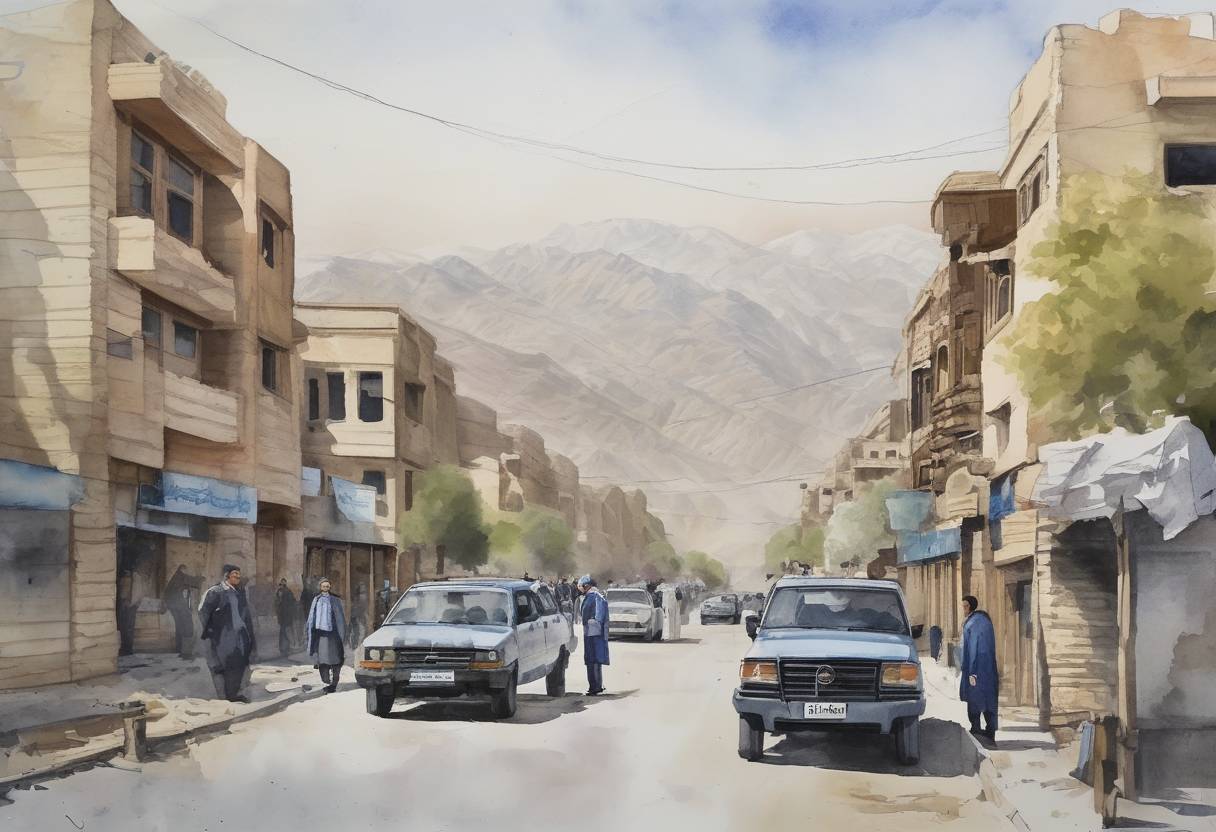
On April 5, 2014, Afghanistan held a landmark presidential election that marked the first democratic transfer of power in the country’s history. This election was a pivotal moment in Afghanistan’s political development, representing a significant step towards establishing a stable democratic process despite numerous challenges.
The 2014 election followed the presidency of Hamid Karzai, who had been in power since the fall of the Taliban regime in 2001. Karzai’s presidency was marked by efforts to rebuild Afghanistan’s political institutions, but it also faced criticism for corruption and inefficiency. The 2014 election was crucial as Karzai was constitutionally barred from seeking a third term, necessitating a peaceful transition of power.
The election was conducted under the shadow of several significant challenges:
Security Threats: The Taliban, who opposed the democratic process, threatened to disrupt the elections. Despite these threats, millions of Afghans turned out to vote, demonstrating their commitment to the democratic process.
Electoral Fraud: Allegations of electoral fraud were a major concern. The 2009 presidential election had been marred by widespread fraud, and there were fears of similar issues in 2014. Measures were put in place to enhance transparency and credibility, including the use of biometric voter registration.
The election saw a high voter turnout, with over seven million Afghans casting their votes. The main contenders were Abdullah Abdullah, a former foreign minister, and Ashraf Ghani, a former finance minister and World Bank official. The initial round of voting did not produce a clear winner, leading to a runoff election.
The runoff election took place on June 14, 2014. The process was again marred by allegations of fraud, leading to a prolonged period of political uncertainty. After intense negotiations and international mediation, particularly by the United States, a power-sharing agreement was reached.
Ashraf Ghani was declared the winner and became the President of Afghanistan, while Abdullah Abdullah was appointed as the Chief Executive Officer, a newly created position akin to a prime ministerial role. This agreement was seen as a compromise to maintain stability and unity in the country.
The 2014 presidential election was a significant milestone for Afghanistan. It demonstrated the resilience of the Afghan people and their desire for democratic governance despite the threats and challenges they faced. The election and subsequent power-sharing agreement were critical in maintaining political stability and preventing a potential crisis.
However, the election also highlighted the ongoing issues of electoral fraud and the need for continued reforms to strengthen Afghanistan’s democratic institutions. The power-sharing arrangement, while effective in the short term, underscored the complexities of Afghan politics and the challenges of governance in a diverse and divided society.
In conclusion, the 2014 presidential election was a historic event that marked Afghanistan’s first democratic transfer of power, setting a precedent for future elections and contributing to the country’s ongoing journey towards democracy.
Source: www.theguardian.com