Formation of the Confederate States of America
1861 · Montgomery, United States
The Confederate States of America was formed in Montgomery, Alabama, by representatives from six southern states that seceded from the United States.
January 19, 1861
Georgia secedes from the Union, becoming the fifth state to join the Confederate States of America.
Milledgeville, United States | Confederate States of America
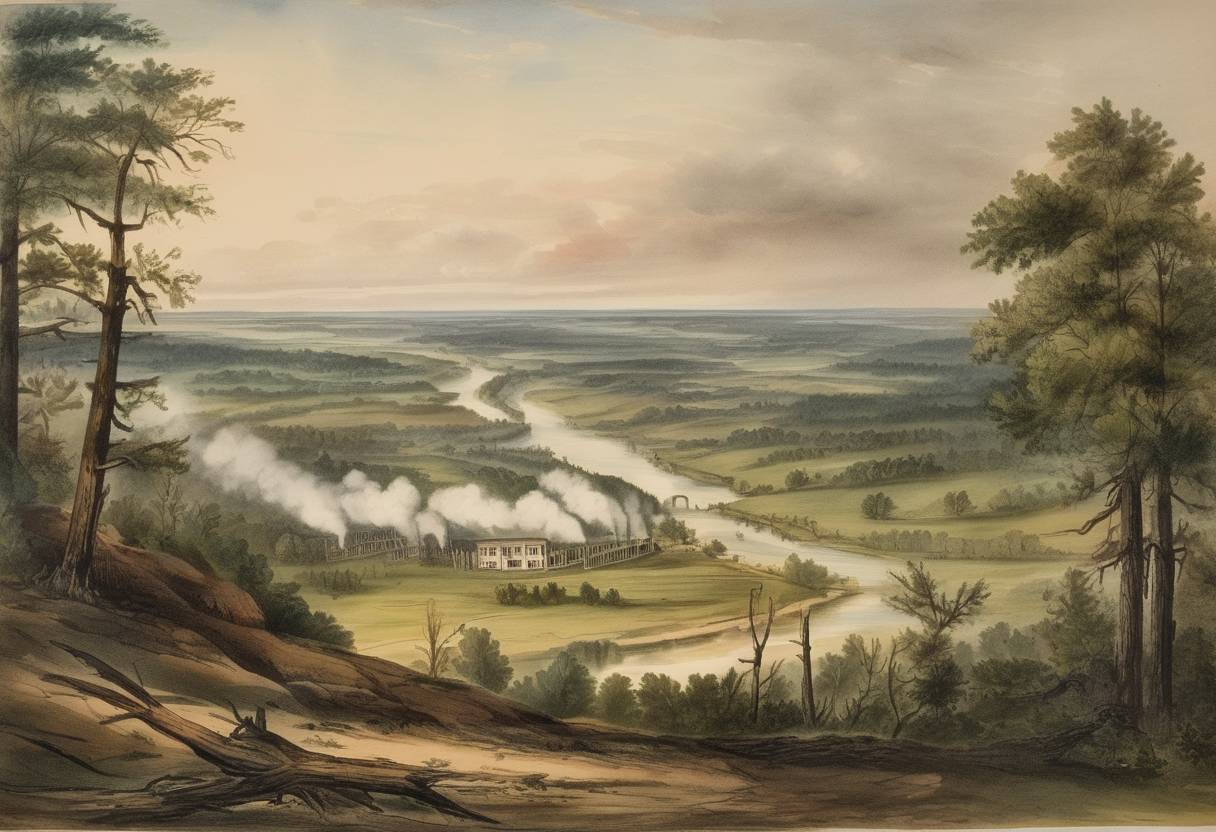
On January 19, 1861, Georgia formally seceded from the United States, becoming the fifth state to join the newly formed Confederate States of America. This decision was reached at a special convention held in Milledgeville, Georgia’s state capital at the time.
The secession of Georgia was part of a larger movement among Southern states that followed the election of Abraham Lincoln as President in November 1860. Lincoln’s victory signaled to many Southern states a potential threat to the institution of slavery, which was integral to their agricultural economy and social structure. Georgia, with its large slaveholding population, was particularly concerned about the preservation of its economic and social order.
On January 19, 1861, the convention voted in favor of secession by a margin of 208 to 89. The formal ordinance declared Georgia a “free and independent state,” rescinding its ratification of the U.S. Constitution and all amendments. This ordinance highlighted grievances against the federal government, emphasizing the perceived threats to slavery.
The secession of Georgia, along with other Southern states, marked a pivotal moment in American history. It was a significant step towards the Civil War, a conflict that would redefine the nation and address the deeply entrenched issue of slavery, ultimately leading to its abolition.
Source: www.georgiaencyclopedia.org