April 24, 2013

The Rana Plaza building collapses in Dhaka, Bangladesh, killing over 1,100 people in one of the deadliest garment factory accidents in history.


Dhaka, Bangladesh | Rana Plaza
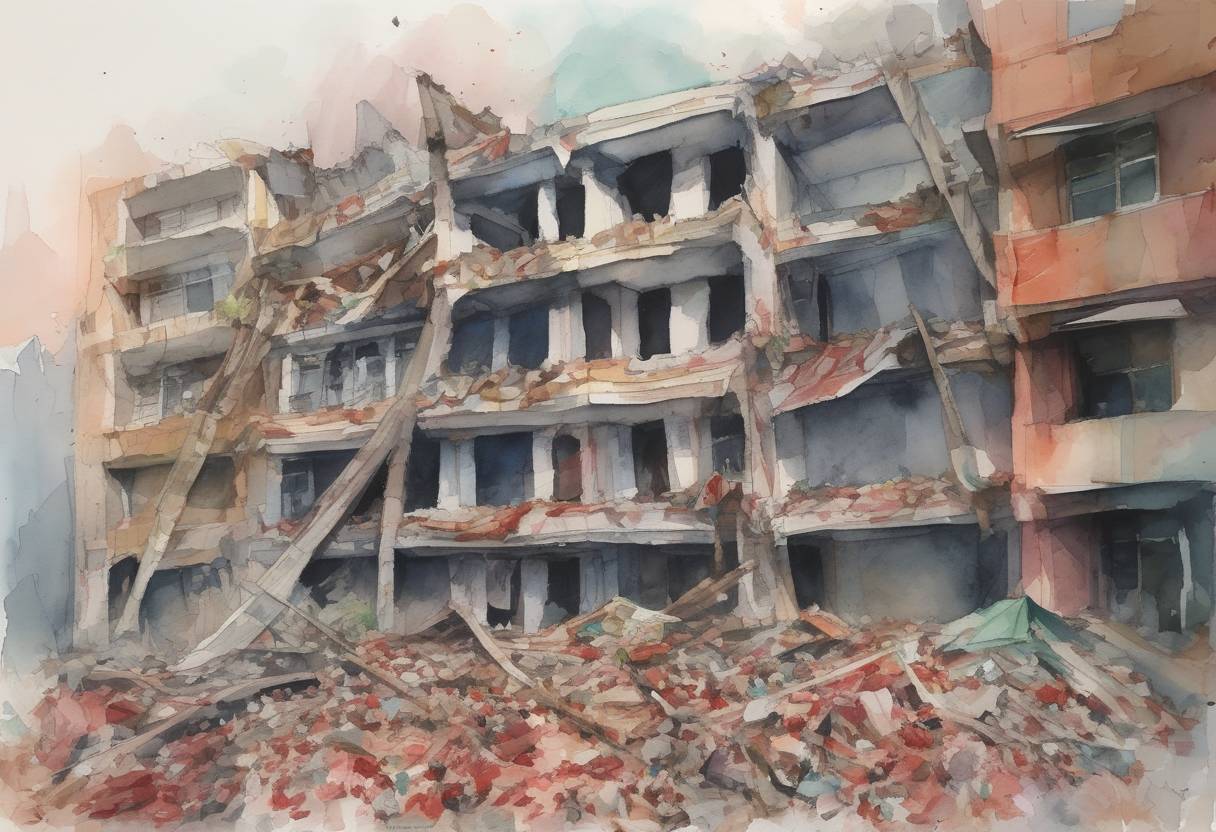
Watercolor painting based depiction of The Rana Plaza building collapses in Dhaka, Bangladesh, killing over 1,100 people in one of the deadliest garment factory accidents in history. (2013)

The Rana Plaza Building Collapse: April 24, 2013

On April 24, 2013, the Rana Plaza building in Savar, a sub-district near Dhaka, Bangladesh, collapsed, marking one of the deadliest industrial disasters in history. This tragic event resulted in the deaths of over 1,100 people and injured more than 2,500 others, highlighting severe issues within the global garment industry.

Background

Rana Plaza was an eight-story commercial building that housed several garment factories, a bank, apartments, and shops. The garment factories produced clothing for numerous global brands, making it a crucial node in the international supply chain.

Structural Concerns

  • Construction Flaws: The building was originally designed for shops and offices, not for factories with heavy machinery. Unauthorized additional floors and substandard construction materials contributed to its structural weaknesses.
  • Warning Signs: Cracks were discovered in the building’s structure the day before the collapse. Despite warnings from engineers and local authorities to evacuate, factory managers insisted that workers return to their jobs, fearing financial losses and pressure to meet production deadlines.

The Collapse

On the morning of April 24, the building collapsed during working hours, trapping thousands of workers under the rubble. The disaster unfolded rapidly, leaving little time for escape.

Rescue Efforts

  • Immediate Response: Local volunteers, firefighters, and army personnel launched a massive rescue operation. The efforts continued for weeks, with rescuers working tirelessly to save those trapped.
  • Challenges: The rescue operations were hampered by inadequate equipment and the sheer scale of the debris.

Aftermath and Consequences

The Rana Plaza collapse had profound implications both locally and globally:

Local Impact

  • Legal Action: The building owner, Sohel Rana, and several factory owners were arrested and faced charges related to negligence and violation of building codes.
  • Compensation and Support: Efforts were made to compensate victims and their families, though many criticized the inadequacy and delays in these processes.

Global Repercussions

  • Industry Reforms: The disaster prompted widespread calls for reform in the garment industry. Initiatives like the Accord on Fire and Building Safety in Bangladesh and the Alliance for Bangladesh Worker Safety were established to improve factory conditions.
  • Consumer Awareness: The tragedy raised global awareness about the working conditions in garment factories, influencing consumer behavior and increasing demand for ethically produced clothing.

Broader Historical Significance

The Rana Plaza collapse underscored the urgent need for improved labor rights and safety standards in the global supply chain. It highlighted the interconnectedness of global economies and the responsibilities of multinational corporations in ensuring ethical practices. The disaster remains a pivotal moment in the ongoing struggle for workers’ rights and corporate accountability in the garment industry.

Source: www.bbc.com