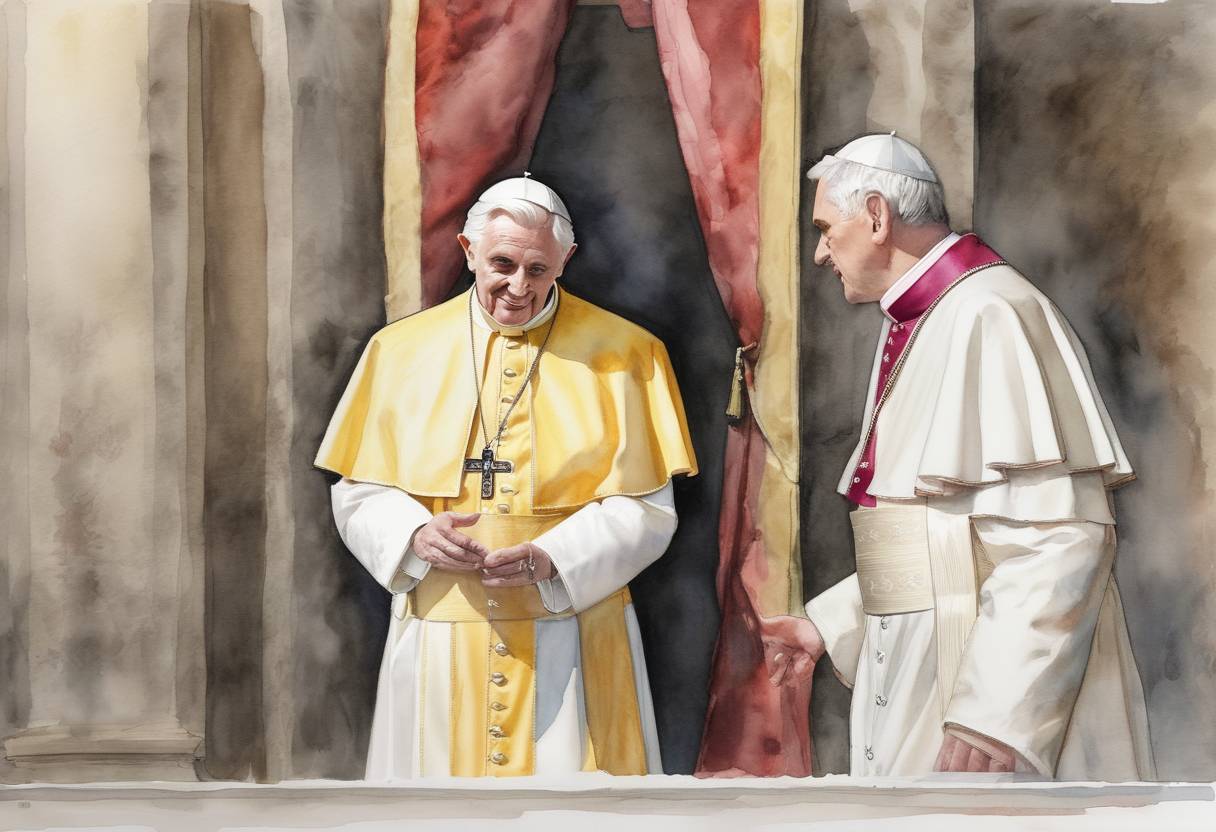
Pope Benedict XVI’s Resignation: February 28, 2013
On February 28, 2013, Pope Benedict XVI made history by resigning from the papacy, becoming the first pope to do so since Gregory XII in 1415. This unprecedented move in modern times marked a significant moment in the history of the Catholic Church.
Context and Background
Pope Benedict XVI: Born Joseph Ratzinger in 1927 in Bavaria, Germany, he was elected as the 265th pope on April 19, 2005, following the death of Pope John Paul II. Before his papacy, he was a prominent theologian and served as the Prefect of the Congregation for the Doctrine of the Faith.
Reasons for Resignation: In a statement delivered in Latin during a meeting of cardinals on February 11, 2013, Benedict cited his advanced age and declining strength as reasons for his resignation. He expressed that he felt unable to adequately fulfill the duties required of the papal office.
Key Events Leading to the Resignation
Health Concerns: At the age of 85, Benedict XVI acknowledged that his physical and mental health were deteriorating, impacting his ability to lead the Church effectively.
Church Challenges: His papacy faced numerous challenges, including the clerical sexual abuse scandal, which demanded significant attention and action. Additionally, the Church was navigating complex issues such as secularization and interfaith relations.
The Resignation
Effective Date: The resignation took effect at 8:00 PM CET on February 28, 2013. This marked the end of his nearly eight-year tenure as pope.
Title and Role Post-Resignation: After stepping down, he adopted the title “Pope Emeritus” and chose to live a life of prayer and reflection in the Vatican’s Mater Ecclesiae Monastery.
Aftermath and Consequences
Conclave and Successor: Following his resignation, a conclave was convened to elect a new pope. On March 13, 2013, Cardinal Jorge Mario Bergoglio of Argentina was elected as Pope Francis, becoming the first pope from the Americas and the Southern Hemisphere.
Historical Significance: Benedict’s resignation set a modern precedent for future popes, demonstrating that resignation was a viable option for those who felt unable to continue due to health or other serious reasons.
Impact on the Church: His decision brought attention to the demands of the papal office and sparked discussions about the role and expectations of future popes, especially concerning age and health.
Pope Benedict XVI’s resignation was a momentous event that underscored the evolving nature of the papacy and the Catholic Church’s adaptation to contemporary challenges.