Canada Legalizes Same-Sex Marriage Nationwide
2005 · Ottawa, Canada
Canada becomes the fourth country in the world to legalize same-sex marriage nationwide after the Civil Marriage Act receives royal assent.
September 10, 1939
Canada declared war on Germany, joining the Allies in World War II. This was a week after Britain and France had declared war following Germany's invasion of Poland.
Ottawa, Canada | Government of Canada
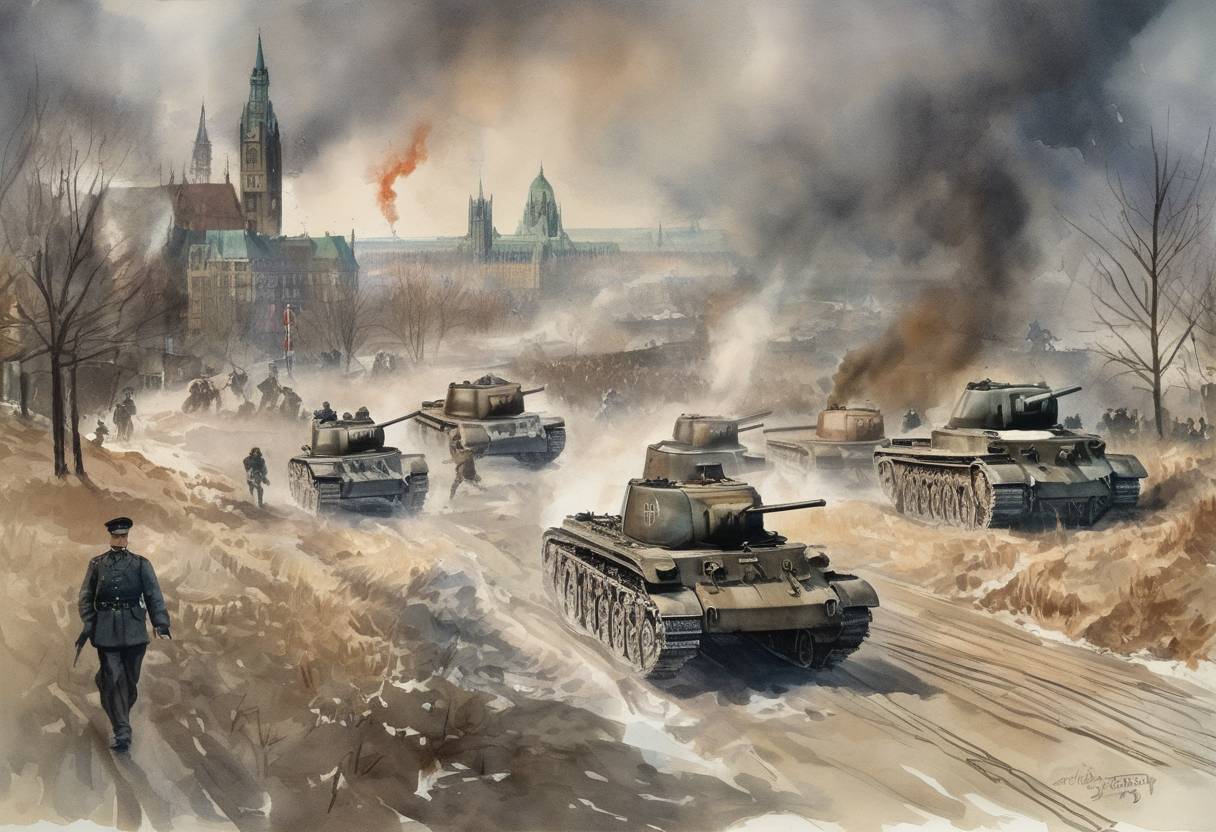
On September 10, 1939, Canada officially declared war on Germany, marking its entry into World War II. This decision came a week after Britain and France had declared war on Germany following the invasion of Poland on September 1, 1939. Canada’s involvement was a significant moment in its history, reflecting its growing autonomy and commitment to the Allied cause.
Invasion of Poland: On September 1, 1939, Germany, led by Adolf Hitler, invaded Poland, employing a military strategy known as Blitzkrieg or “lightning war.” This aggressive move prompted Britain and France to declare war on Germany on September 3, 1939, as part of their commitment to defend Poland under the terms of the Anglo-Polish military alliance.
Canada’s Position: At the time, Canada was a member of the British Commonwealth and had close ties to Britain. However, the Statute of Westminster in 1931 had granted Canada legislative independence, allowing it to make its own decisions regarding foreign policy and declarations of war.
Parliamentary Debate: The Canadian government, led by Prime Minister William Lyon Mackenzie King, convened a special session of Parliament to debate the issue. The decision to go to war was not automatic; it required careful consideration and a formal vote by Canadian lawmakers.
Public Opinion: There was strong public support for joining the war effort, particularly in English-speaking Canada, where ties to Britain were strongest. However, there was also a desire to assert Canada’s independence by making its own decision rather than automatically following Britain’s lead.
Formal Declaration: After a thorough debate, the Canadian Parliament voted in favor of declaring war on Germany. On September 10, 1939, King George VI, as Canada’s head of state, issued the formal declaration of war.
Autonomy and Unity: Canada’s decision to declare war independently underscored its status as a sovereign nation. It also demonstrated national unity, as both English and French-speaking Canadians largely supported the decision.
Military Contribution: Canada played a crucial role in the Allied war effort, contributing significantly to the military campaigns in Europe, the Atlantic, and the Pacific. Over a million Canadians served in the armed forces during the war, and the country became a vital supplier of war materials.
Economic Impact: The war effort spurred economic growth and industrialization in Canada, leading to the development of new industries and technologies. This period marked a significant transformation in the Canadian economy.
Post-War Influence: Canada’s contributions during World War II elevated its international standing and laid the groundwork for its active participation in post-war organizations like the United Nations and NATO.
In summary, Canada’s declaration of war on Germany on September 10, 1939, was a pivotal moment in its history, reflecting both its commitment to the Allied cause and its emergence as an autonomous nation on the world stage.
Source: en.wikipedia.org