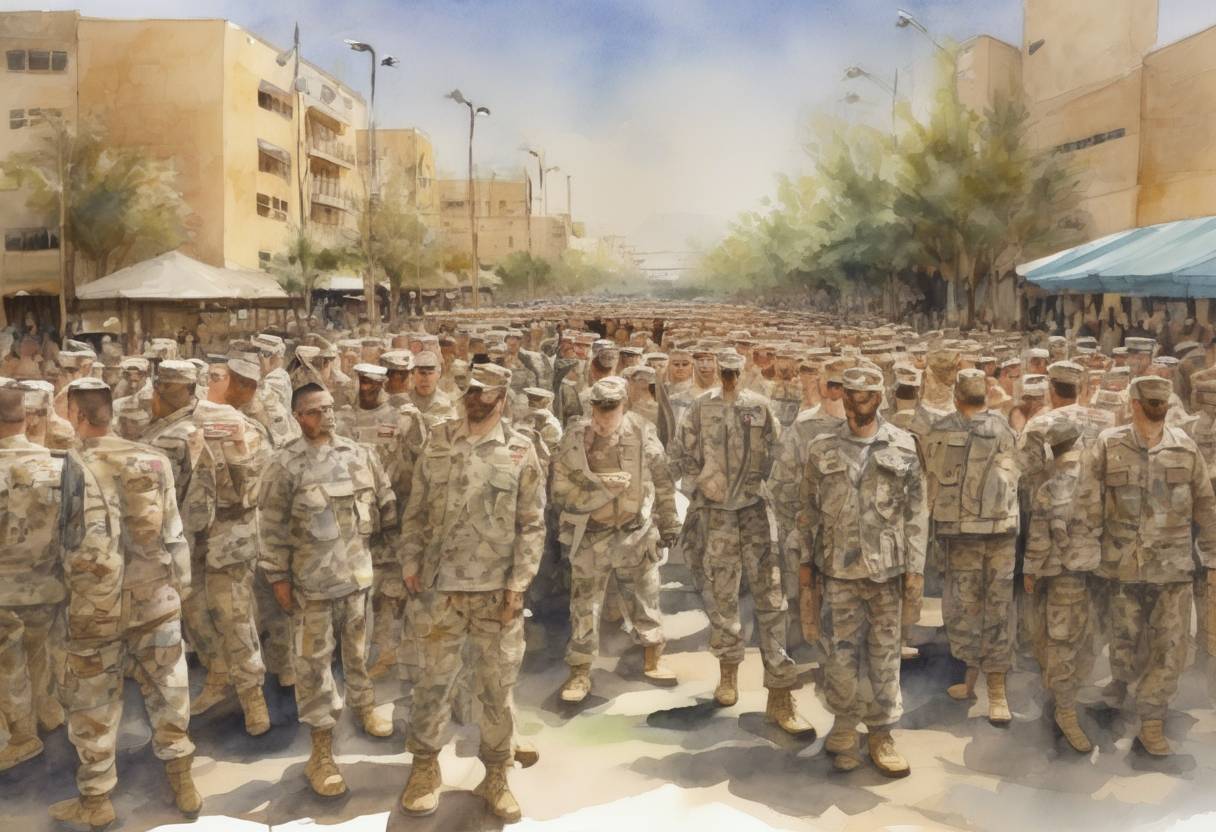
The End of the U.S. Military Mission in Iraq: December 13, 2011
On December 13, 2011, the United States formally concluded its military mission in Iraq with a ceremony held in Baghdad. This event marked the end of nearly nine years of military operations that began with the U.S.-led invasion in March 2003. The ceremony symbolized the transition of responsibility for Iraq’s security to the Iraqi government and military.
Background
The U.S. invasion of Iraq in 2003 was initiated under the pretext of dismantling weapons of mass destruction (WMDs) allegedly held by the regime of Saddam Hussein. Despite the absence of such weapons, the invasion led to the toppling of Hussein’s government. The subsequent years saw the U.S. military engaged in efforts to stabilize the country amidst sectarian violence and insurgency.
Key Events Leading to the Withdrawal
2008 U.S.-Iraq Status of Forces Agreement (SOFA): This agreement, signed in November 2008, set the framework for the withdrawal of U.S. troops from Iraq. It stipulated that all U.S. forces would leave Iraq by December 31, 2011.
Reduction of Troops: By August 2010, the U.S. had reduced its military presence to about 50,000 troops, transitioning from combat operations to a role focused on advising and assisting Iraqi security forces.
Operation New Dawn: This operation, which began on September 1, 2010, marked the official end of combat operations and the beginning of a new phase aimed at supporting the development of Iraqi security capabilities.
The Ceremony in Baghdad
The ceremony on December 13, 2011, was attended by U.S. Defense Secretary Leon Panetta and other military officials. It featured the casing of the colors, a traditional military ceremony that symbolizes the end of a mission. This event underscored the official end of the U.S. military’s active involvement in Iraq.
Aftermath and Consequences
Security Challenges: Despite the withdrawal, Iraq faced ongoing security challenges, including sectarian violence and the rise of extremist groups like ISIS, which would later seize significant territories in Iraq and Syria.
U.S.-Iraq Relations: The end of the military mission did not signify the end of U.S. involvement in Iraq. The two countries continued to engage in diplomatic and economic partnerships, and the U.S. provided ongoing support to Iraqi security forces.
Impact on U.S. Policy: The withdrawal from Iraq influenced U.S. military and foreign policy, shaping discussions on military engagement, nation-building, and the long-term impacts of intervention.
Broader Historical Significance
The end of the U.S. military mission in Iraq marked a significant moment in the broader context of U.S. foreign policy in the Middle East. It highlighted the complexities of military intervention and the challenges of post-conflict reconstruction and governance. The legacy of the Iraq War continues to influence geopolitical dynamics and policy decisions in the region and beyond.