October 14, 2012

Austrian skydiver Felix Baumgartner broke the world record for skydiving an estimated 39 kilometers (24 miles) from a helium balloon in the stratosphere, becoming the first person to break the sound barrier without vehicular power.


Roswell, United States | Red Bull Stratos
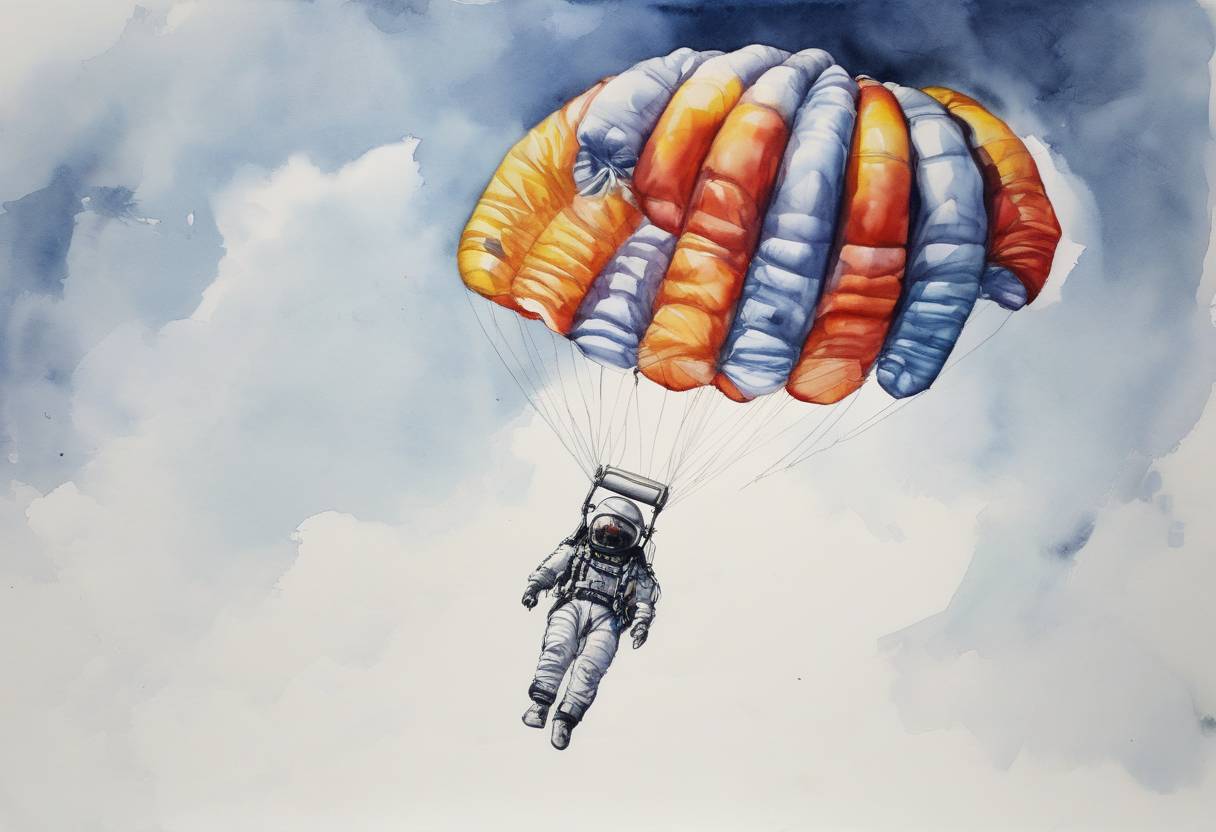
Watercolor painting based depiction of Austrian skydiver Felix Baumgartner broke the world record for skydiving an estimated 39 kilometers (24 miles) from a helium balloon in the stratosphere, becoming the first person to break the sound barrier without vehicular power. (2012)

Felix Baumgartner’s Stratospheric Jump: October 14, 2012

On October 14, 2012, Austrian skydiver Felix Baumgartner made history by performing a record-breaking jump from the stratosphere, becoming the first person to break the sound barrier without vehicular power. This extraordinary feat was part of the Red Bull Stratos project, a mission designed to transcend human limits and gather valuable scientific data.

Background and Preparation

The Red Bull Stratos project was initiated to explore the limits of human endurance and to contribute to aerospace safety. The mission involved extensive preparation, including:

  • Training and Testing: Baumgartner underwent rigorous training, including high-altitude jumps and simulations, to prepare for the extreme conditions he would face.
  • Technical Development: A specialized pressure suit and capsule were developed to protect Baumgartner from the harsh environment of the stratosphere, where temperatures can plummet to -70 degrees Fahrenheit (-57 degrees Celsius).

The Jump

  • Launch: Baumgartner ascended to an altitude of approximately 39 kilometers (24 miles) above the Earth in a helium-filled balloon. The ascent took about two and a half hours.
  • Freefall: Upon reaching the desired altitude, Baumgartner exited the capsule, beginning his freefall. During the descent, he reached a maximum speed of 1,357.64 km/h (843.6 mph), surpassing the speed of sound (approximately 1,236 km/h or 768 mph at sea level).
  • Duration: The freefall lasted approximately 4 minutes and 19 seconds before Baumgartner deployed his parachute, safely landing in the New Mexico desert.

Significance and Aftermath

  • Scientific Contributions: The mission provided valuable data on high-altitude bailouts and the effects of supersonic speeds on the human body, contributing to future aerospace safety measures.
  • Records Set: Baumgartner set several records, including the highest freefall parachute jump and the fastest freefall speed.
  • Public Impact: The event was broadcast live, capturing the attention of millions worldwide and inspiring interest in space exploration and human potential.

Felix Baumgartner’s jump not only pushed the boundaries of human achievement but also paved the way for advancements in aerospace technology and safety. His successful mission remains a testament to human ingenuity and the spirit of exploration.