Oil Pipeline Explosion in Lagos, Nigeria - December 26, 2006
2006 · Lagos, Nigeria
An oil pipeline exploded in Lagos, Nigeria, killing at least 260 people. The explosion was caused by thieves who were attempting to siphon oil from the pipeline.
December 23, 2011
An oil pipeline explosion occurs in the town of Bonny Island, Nigeria, resulting in a large fire. The pipeline was owned by the Nigerian National Petroleum Corporation (NNPC), and the explosion underscored the persistent issues of oil theft and vandalism in the country.
Bonny Island, Nigeria | Nigerian National Petroleum Corporation
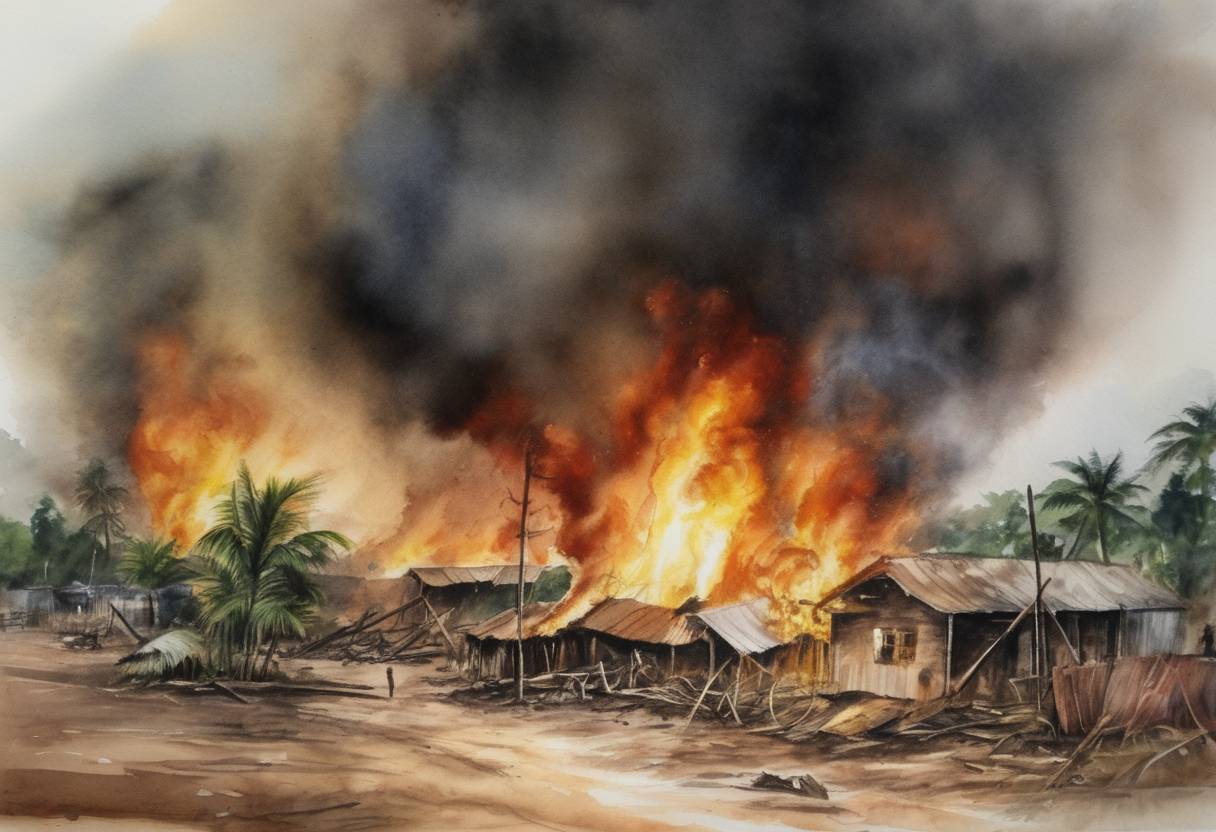
On December 23, 2011, a tragic explosion occurred in Bonny Island, Nigeria, highlighting the severe and ongoing challenges posed by oil theft and vandalism within the country’s vast petroleum industry. The explosion took place on a pipeline owned by the Nigerian National Petroleum Corporation (NNPC), resulting in a significant fire and drawing attention to the vulnerabilities within Nigeria’s oil infrastructure.
Bonny Island, located in the Niger Delta, is a crucial hub in Nigeria’s oil production network. The region is notorious for incidents of oil theft, commonly referred to as “bunkering,” where pipelines are illegally tapped to siphon off petroleum products. Such activities are driven by economic disparity and contribute to environmental degradation in the region due to frequent oil spills.
The explosion on December 23, 2011, was reportedly caused by activities linked to oil theft. Vandals tapped into the pipeline, compromising its integrity and leading to the catastrophic event. The resulting fire was extensive, posing a serious risk to the safety of the local population and the environment.
Human Toll: The explosion posed immediate danger to nearby communities, potentially resulting in casualties and injuries, although specific details on the human impact were often underreported.
Environmental Impact: The incident exacerbated existing environmental damage in the Niger Delta, an area already suffering from pollution due to previous oil spills and industrial activities.
Economic Implications: Damage to infrastructure and loss of oil further strained Nigeria’s economy, which heavily relies on oil exports. Each incident of theft or vandalism represents significant financial losses to the industry and the national economy.
The Bonny Island explosion underscored the urgent need for Nigeria to address the systemic issues of pipeline security and environmental safety. It also highlighted the importance of developing more sustainable economic opportunities for local populations to curb the incentives for oil theft. The event prompted calls for stricter enforcement and technological measures to prevent such incidents in the future.
The explosion represents a grim chapter in Nigeria’s ongoing struggle with its oil industry challenges, emphasizing the need for comprehensive reforms to ensure the safety of its people, the protection of its environment, and the stabilization of its economy.
Source: www.bbc.com