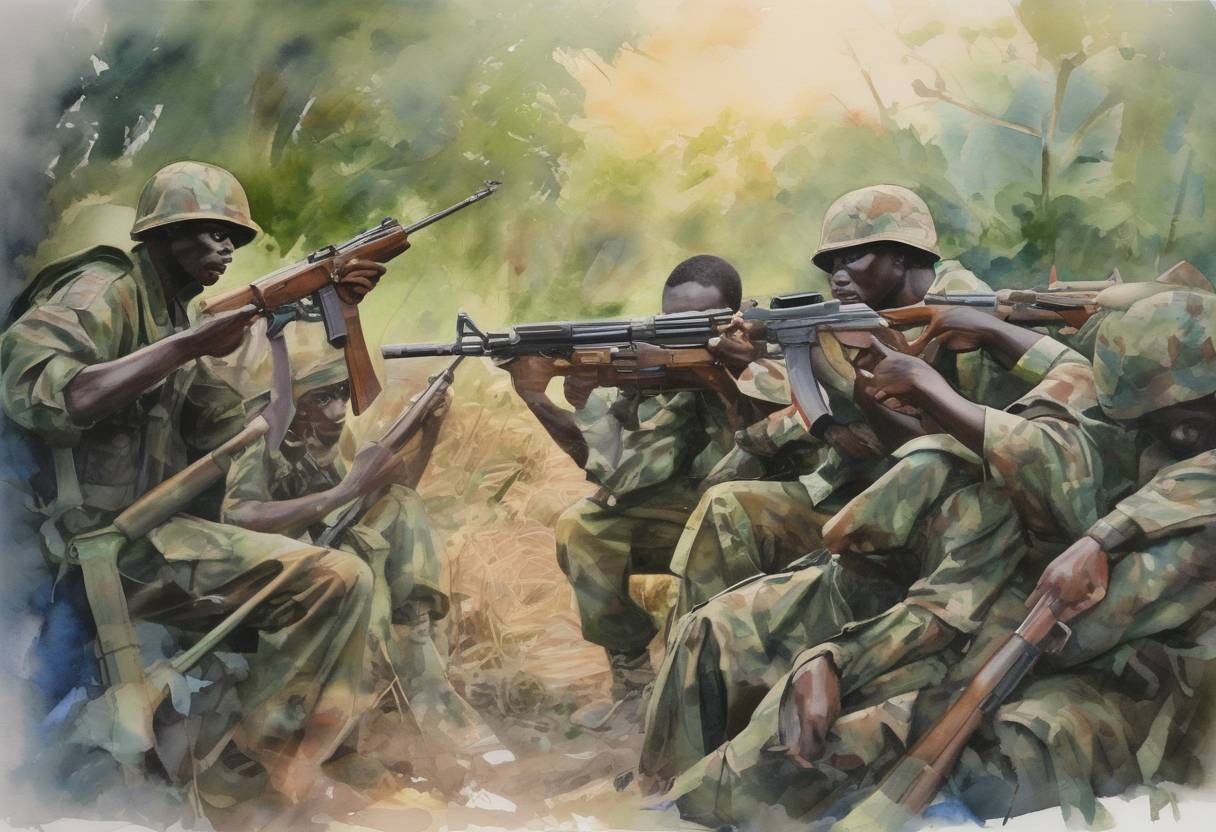
The Lord’s Resistance Army Attacks in the Democratic Republic of the Congo (December 24, 2008)
On December 24, 2008, the Lord’s Resistance Army (LRA), a notorious rebel group originating from Uganda, launched a series of brutal attacks in the Democratic Republic of the Congo (DRC). These attacks, which occurred over the Christmas period, resulted in the deaths of hundreds of civilians and marked one of the most violent episodes in the LRA’s long history of insurgency.
Background
The LRA, led by Joseph Kony, emerged in northern Uganda in the late 1980s. Initially, it claimed to fight for the rights of the Acholi people against the Ugandan government. However, the group became infamous for its extreme violence, including abductions, mutilations, and the use of child soldiers. By the mid-2000s, the LRA had been largely pushed out of Uganda and had begun operating in neighboring countries, including the DRC, South Sudan, and the Central African Republic.
The Christmas Massacres
The attacks over the Christmas period in 2008 are often referred to as the “Christmas Massacres.” The LRA targeted several villages in the Haut-Uélé District of the northeastern DRC. The violence began on December 24 and continued for several days, with the most intense attacks occurring on Christmas Day.
- Key Locations: The villages of Faradje, Doruma, and Gurba were among the hardest hit. The LRA fighters used machetes, clubs, and firearms to kill civilians indiscriminately.
- Casualties: Reports estimate that over 400 civilians were killed during these attacks. Many victims were hacked to death, and others were burned alive in their homes.
- Abductions: In addition to the killings, the LRA abducted hundreds of people, including children, who were forced to become soldiers or sex slaves.
Aftermath and Consequences
The Christmas Massacres drew international condemnation and highlighted the ongoing threat posed by the LRA in the region. The attacks underscored the challenges faced by the DRC and its neighbors in dealing with the LRA’s cross-border insurgency.
- International Response: The United Nations and various humanitarian organizations called for increased protection for civilians and greater efforts to apprehend LRA leaders.
- Military Operations: In response to the massacres, the Ugandan military, with support from the DRC and South Sudan, launched Operation Lightning Thunder, an offensive aimed at dismantling the LRA’s bases in the region. However, the operation had limited success in capturing Kony or significantly weakening the group.
- Humanitarian Impact: The attacks exacerbated the humanitarian crisis in the region, leading to mass displacements and increased need for aid.
Broader Historical Significance
The LRA’s attacks in the DRC in 2008 are part of a broader pattern of violence that has plagued Central Africa for decades. The group’s ability to operate across borders and its reliance on terror tactics have made it a persistent threat to regional stability. The international community’s response to the LRA has also highlighted the complexities of addressing non-state armed groups that exploit weak governance and porous borders.
The Christmas Massacres remain a stark reminder of the human cost of the LRA’s insurgency and the ongoing need for coordinated efforts to bring peace and security to affected regions.