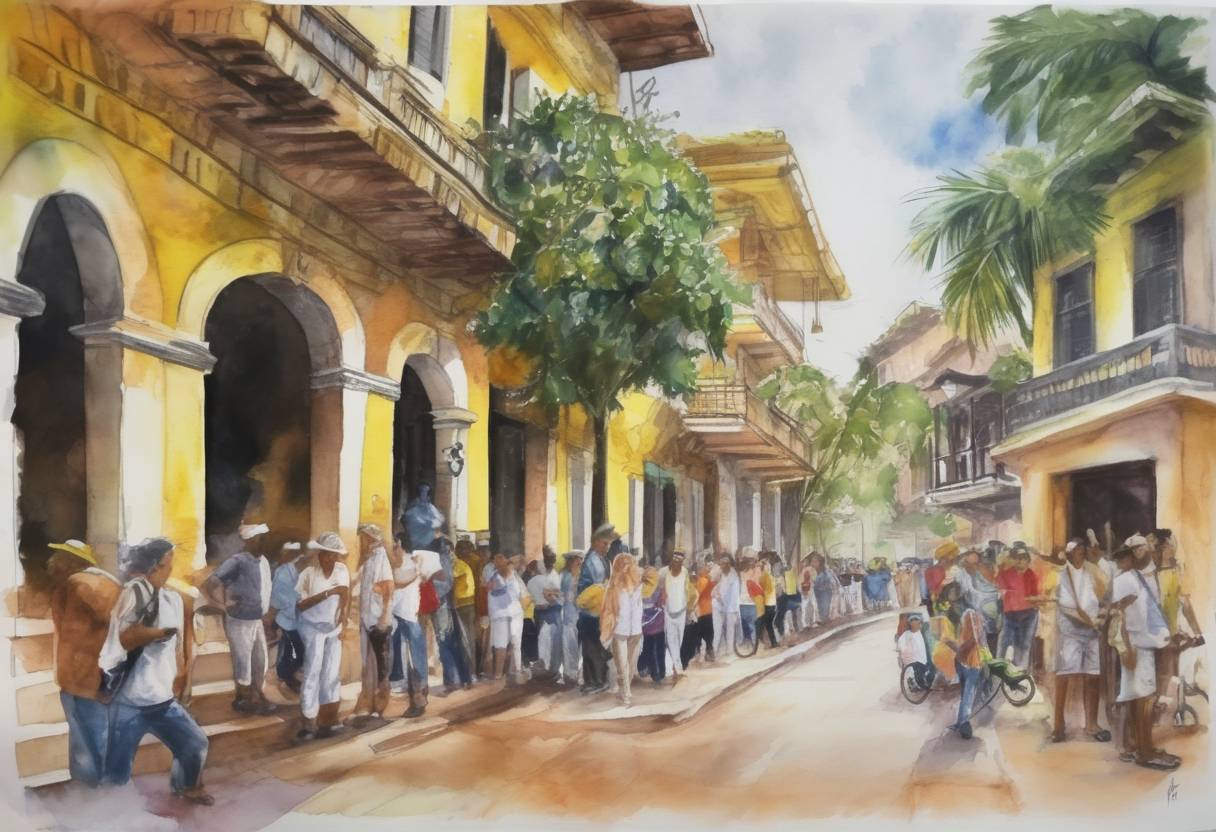
The Colombian Peace Agreement: September 30, 2016
On September 30, 2016, a historic peace agreement was signed between the Colombian government and the Revolutionary Armed Forces of Colombia (FARC), marking a significant milestone in efforts to end over five decades of armed conflict. This conflict, one of the longest-running in the Western Hemisphere, resulted in the loss of over 220,000 lives and the displacement of millions.
Background
The conflict between the Colombian government and FARC began in the 1960s, rooted in issues of land distribution, social inequality, and political exclusion. Over the years, FARC grew from a small group of Marxist-Leninist guerrillas into a formidable insurgency, funded largely through drug trafficking, kidnapping, and extortion.
Efforts to negotiate peace had been attempted multiple times over the decades, but previous talks had failed due to mutual distrust and ongoing violence. However, by the early 2010s, both parties showed renewed interest in finding a peaceful resolution.
The Peace Process
The peace negotiations officially began in 2012 in Havana, Cuba, with Norway and Cuba acting as guarantors, and Chile and Venezuela as accompanying countries. The talks addressed several key issues, including:
- Rural Development: Addressing land reform and rural inequality.
- Political Participation: Ensuring FARC’s transition into a political party.
- End of Conflict: Ceasefire and disarmament processes.
- Drug Trafficking: Solutions to the drug trade that funded the conflict.
- Victims’ Rights: Justice and reparations for victims of the conflict.
After four years of negotiations, the final agreement was reached, outlining comprehensive measures for disarmament, reintegration of FARC members, and transitional justice mechanisms.
Signing of the Agreement
The peace agreement was formally signed on September 26, 2016, in a ceremony in Cartagena, Colombia, attended by international dignitaries, including then-UN Secretary-General Ban Ki-moon. The signing on September 30 marked the official commitment of both parties to the terms agreed upon.
The Referendum and Aftermath
Despite the historic nature of the agreement, it faced significant opposition within Colombia. On October 2, 2016, a national referendum was held to ratify the agreement. In a surprising outcome, the agreement was narrowly rejected by the Colombian public, with 50.2% voting against it.
The rejection was largely attributed to concerns over perceived leniency towards FARC members, particularly regarding issues of justice and accountability. The result prompted both parties to return to the negotiating table to address public concerns.
Subsequently, a revised agreement was reached and ratified by the Colombian Congress in November 2016, bypassing the need for another referendum. This revised agreement included modifications to address some of the criticisms raised during the referendum campaign.
Historical Significance
The peace agreement marked a turning point in Colombia’s history, offering a path towards reconciliation and long-term stability. It underscored the challenges of achieving peace in deeply divided societies and highlighted the importance of inclusive dialogue and compromise.
The Colombian peace process has since been studied as a model for conflict resolution, demonstrating both the complexities and possibilities of negotiating peace in protracted conflicts.