2006 · Mecca, Saudi Arabia
A stampede occurs during the annual Hajj pilgrimage in Mecca, resulting in the deaths of at least 345 Muslim pilgrims.
November 20, 1979
Grand Mosque seizure: About 200 Sunni Muslim insurgents seize the Grand Mosque in Mecca, Saudi Arabia, taking hostages and causing a two-week siege.
Mecca, Saudi Arabia | Sunni Insurgents
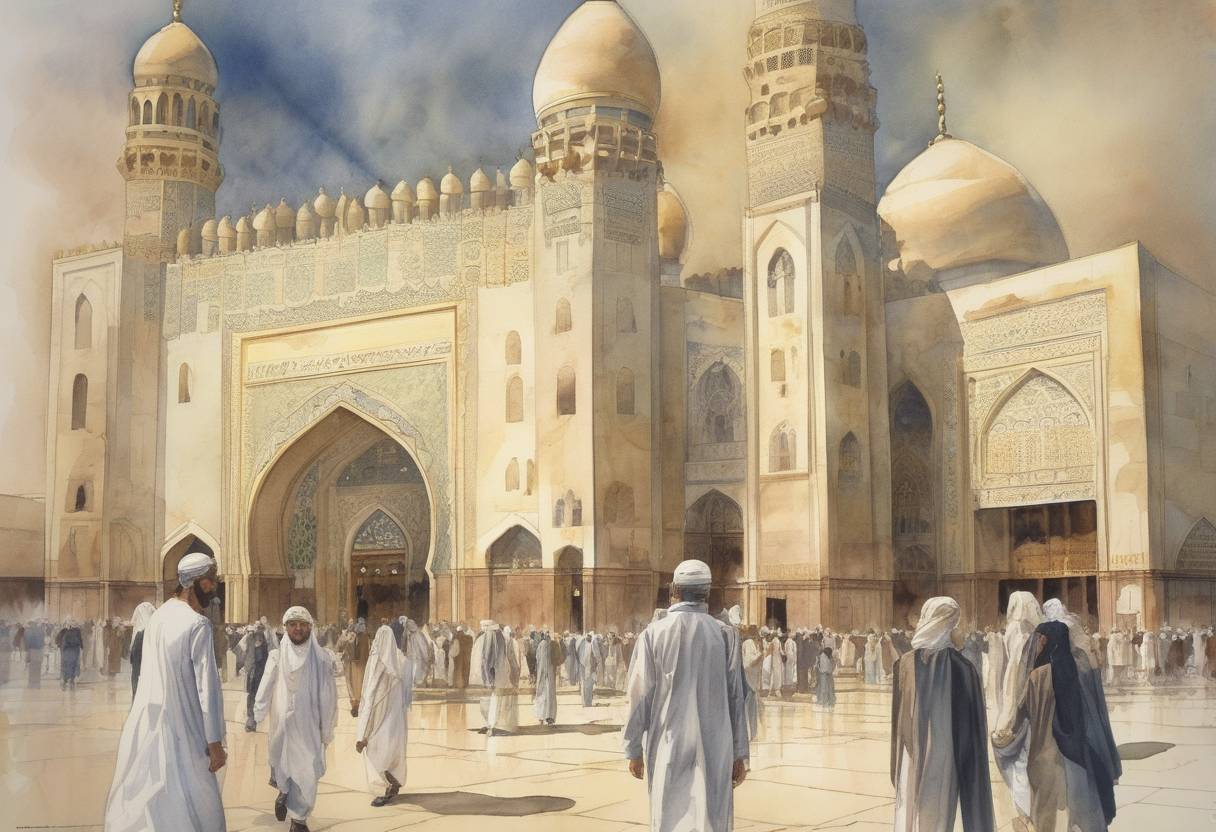
On November 20, 1979, a significant and alarming event unfolded in Mecca, Saudi Arabia, when approximately 200 Sunni Muslim insurgents seized the Grand Mosque, one of Islam’s holiest sites. This event marked the beginning of a tense two-week siege that had profound implications for Saudi Arabia and the broader Muslim world.
The late 1970s were a period of considerable upheaval in the Middle East, characterized by political instability and rising religious fervor. In Saudi Arabia, there was growing discontent among certain factions who felt that the ruling monarchy was not adhering strictly enough to Islamic principles. This discontent was exacerbated by the Iranian Revolution earlier in 1979, which had demonstrated the potential for religiously motivated political change.
The insurgents, led by Juhayman al-Otaybi, were motivated by a belief that the Saudi regime had become corrupt and was straying from Islamic values. They sought to overthrow the monarchy and establish a theocratic state. On the morning of November 20, during the dawn prayers, the insurgents smuggled weapons into the mosque and took control, capturing thousands of worshippers as hostages.
The Saudi government, caught off guard by the audacity of the attack, faced a complex challenge. The Grand Mosque’s sanctity made a direct military assault problematic, as it risked damaging the holy site and causing significant loss of life. The siege lasted for two weeks, during which the Saudi authorities, with assistance from French special forces, carefully planned a counter-assault.
The siege ended on December 4, 1979, after a series of coordinated assaults by Saudi forces, who managed to retake the mosque. The operation was fraught with difficulty, and the final death toll included both insurgents and hostages, as well as Saudi troops. The exact number of casualties remains disputed, but it is estimated that hundreds were killed.
The Grand Mosque seizure had several significant consequences:
Increased Conservatism: In response to the crisis, the Saudi government implemented stricter religious policies to appease conservative elements within the kingdom. This included greater enforcement of Islamic laws and increased power for religious authorities.
Security Measures: The event highlighted vulnerabilities in the kingdom’s security apparatus, leading to reforms and increased vigilance against potential insurgencies.
Global Impact: The seizure shocked the Muslim world and drew international attention to the internal dynamics of Saudi Arabia. It also underscored the potential for religious extremism to challenge established regimes.
The Grand Mosque seizure remains a pivotal moment in Saudi history, illustrating the complex interplay between religion, politics, and power in the region.
Source: en.wikipedia.org