August 13, 2015

A series of explosions occurred at a container storage station at the Port of Tianjin in China, resulting in 173 deaths and hundreds of injuries. The incident raised concerns about industrial safety standards in China.


Tianjin, China | Tianjin Dongjiang Port Ruihai International Logistics
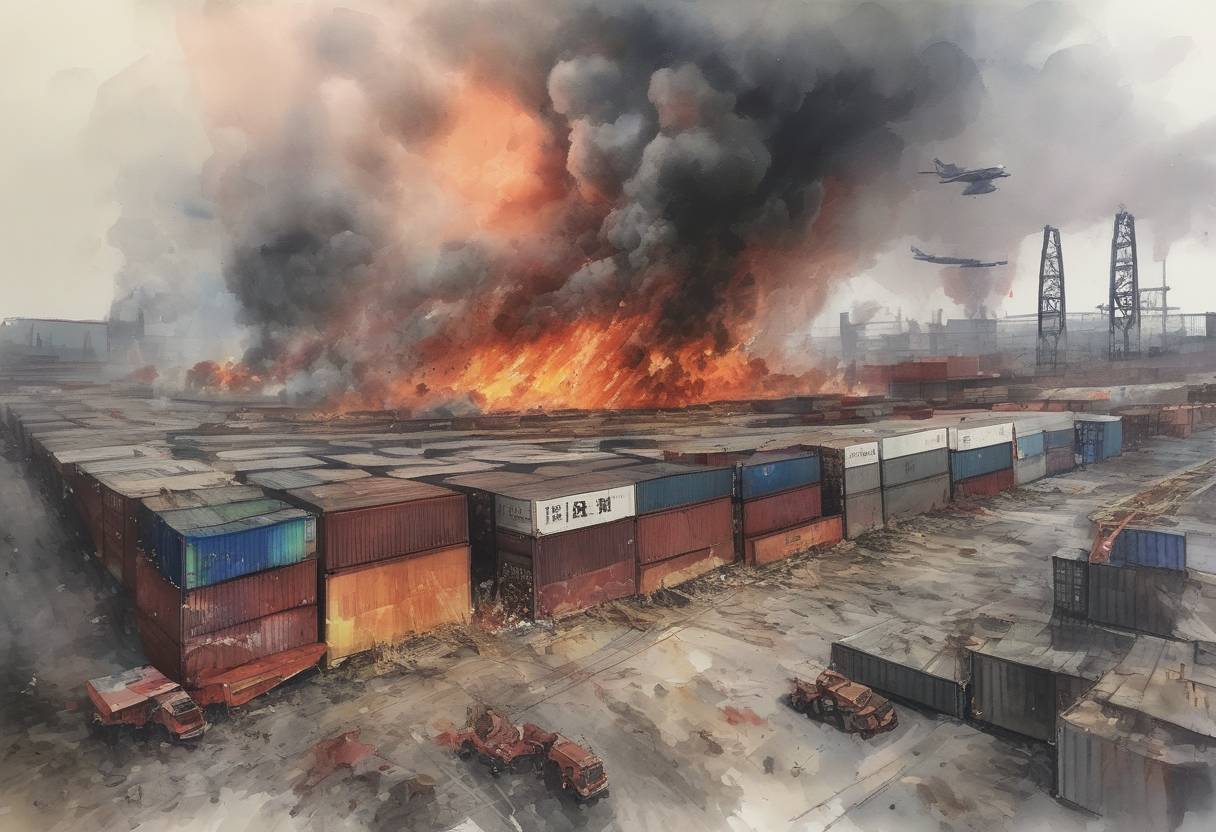
Watercolor painting based depiction of A series of explosions occurred at a container storage station at the Port of Tianjin in China, resulting in 173 deaths and hundreds of injuries. The incident raised concerns about industrial safety standards in China. (2015)

Tianjin Explosions - August 13, 2015

On August 12, 2015, a series of catastrophic explosions occurred at a container storage station in the Port of Tianjin, China. The incident, which extended into the early hours of August 13, resulted in 173 deaths and hundreds of injuries, marking one of the deadliest industrial accidents in China’s recent history.

Background

The explosions took place at a warehouse operated by Ruihai Logistics, a company licensed to handle hazardous chemicals. The facility was located in the Binhai New Area of Tianjin, one of China’s busiest ports and a major hub for international trade and industry.

The Explosions

  • Initial Blast: The first explosion occurred at approximately 11:30 PM local time on August 12. It was followed by a much larger second explosion about 30 seconds later. The second blast was so powerful that it was equivalent to the detonation of approximately 21 tons of TNT, according to the China Earthquake Networks Center.
  • Subsequent Explosions: Additional smaller explosions continued to occur throughout the night and into the following day, complicating rescue efforts and causing further damage.

Impact

  • Casualties: The explosions resulted in 173 confirmed deaths, including 104 firefighters, 11 police officers, and 58 civilians. Hundreds more were injured, with many suffering from burns and other serious injuries.
  • Damage: The blasts caused extensive damage to the surrounding area, destroying buildings, vehicles, and infrastructure. The shockwaves were felt several kilometers away, and the resulting fires burned for days.
  • Environmental Concerns: The incident raised significant environmental concerns due to the release of toxic chemicals, including sodium cyanide, into the air and water. This prompted large-scale evacuations and a massive cleanup operation.

Aftermath and Consequences

  • Investigation: An investigation revealed that Ruihai Logistics had been storing hazardous chemicals in quantities far exceeding legal limits and had violated safety regulations. The company’s executives were found to have used their connections to bypass inspections and safety protocols.
  • Government Response: The Chinese government launched a nationwide inspection of facilities handling hazardous materials, resulting in the closure of numerous sites found to be in violation of safety standards.
  • Public Outcry: The incident sparked widespread public outcry and criticism of industrial safety standards in China. It highlighted systemic issues such as corruption, inadequate enforcement of regulations, and the prioritization of economic growth over safety.

Broader Significance

The Tianjin explosions underscored the urgent need for reform in China’s industrial safety practices. They prompted the government to implement stricter regulations and oversight mechanisms to prevent similar disasters in the future. The incident also served as a stark reminder of the potential human and environmental costs associated with rapid industrialization and urbanization.

In summary, the Tianjin explosions were a tragic event that not only caused significant loss of life and property but also catalyzed important changes in industrial safety policies in China.