1911 · London, United Kingdom
British author Virginia Woolf published her first novel, 'The Voyage Out,' a landmark in early 20th-century literature, marking the debut of one of the most influential modernist writers.
June 8, 1949
George Orwell's novel 'Nineteen Eighty-Four' is published, offering a dystopian vision of a totalitarian future.
London, United Kingdom | Secker & Warburg
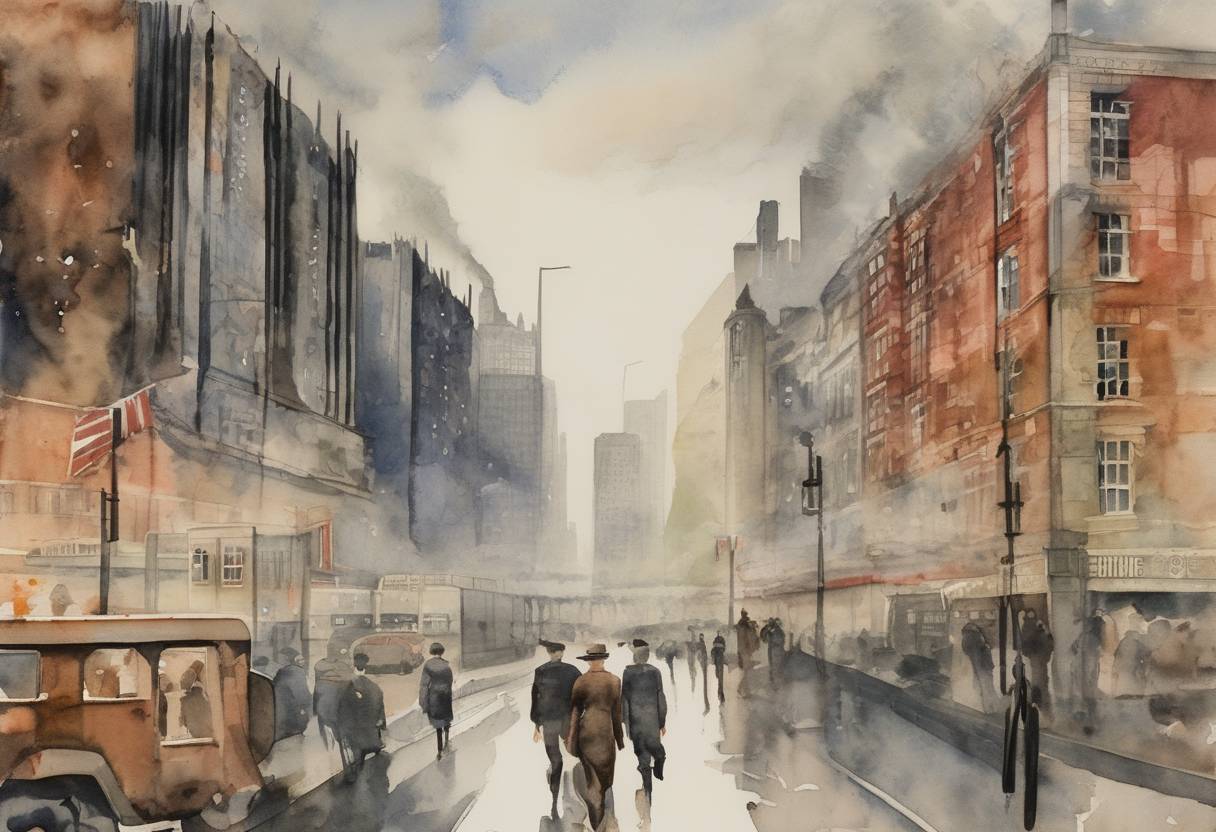
On June 8, 1949, George Orwell’s seminal novel Nineteen Eighty-Four was published by Secker & Warburg in the United Kingdom. This dystopian work has since become a cornerstone of modern literature, offering a chilling vision of a totalitarian future that continues to resonate with readers around the world.
Author: George Orwell, born Eric Arthur Blair, was an English novelist, essayist, journalist, and critic. Known for his keen insights into social injustice and opposition to totalitarianism, Orwell’s works often explore themes of truth, freedom, and the misuse of power.
Historical Context: The novel was written in the aftermath of World War II, during a time when the world was witnessing the rise of totalitarian regimes. Orwell drew inspiration from the oppressive political climates of Nazi Germany and Stalinist Soviet Union, reflecting his concerns about the potential for government overreach and the erosion of individual freedoms.
Nineteen Eighty-Four is set in a dystopian future where the world is divided into three superstates: Oceania, Eurasia, and Eastasia. The story follows Winston Smith, a low-ranking member of the ruling Party in Oceania, led by the enigmatic Big Brother. The Party exercises total control over every aspect of life, employing propaganda, surveillance, and psychological manipulation to maintain its power.
Cultural Influence: Nineteen Eighty-Four introduced terms like “Big Brother,” “Orwellian,” and “doublethink” into the cultural lexicon, symbolizing oppressive government surveillance and the distortion of truth.
Literary Significance: The novel is widely regarded as a masterpiece of dystopian fiction, influencing countless works in literature, film, and other media. Its exploration of themes related to power, control, and freedom remains relevant in contemporary discussions about privacy and government authority.
Critical Reception: Upon its release, Nineteen Eighty-Four received critical acclaim for its powerful narrative and incisive social commentary. It has since been translated into numerous languages and remains a staple in educational curricula worldwide.
The publication of Nineteen Eighty-Four on June 8, 1949, marked a significant moment in literary history. Orwell’s vision of a dystopian future continues to serve as a cautionary tale about the dangers of unchecked power and the importance of safeguarding individual freedoms.
Source: en.wikipedia.org