The ICC Issues Arrest Warrant for Muammar Gaddafi
2011 · The Hague, Netherlands
The International Criminal Court issues an arrest warrant for Libyan leader Muammar Gaddafi for crimes against humanity.
March 5, 2009
The International Criminal Court issues an arrest warrant for Sudanese President Omar al-Bashir for war crimes and crimes against humanity in Darfur.
The Hague, Netherlands | International Criminal Court (ICC)
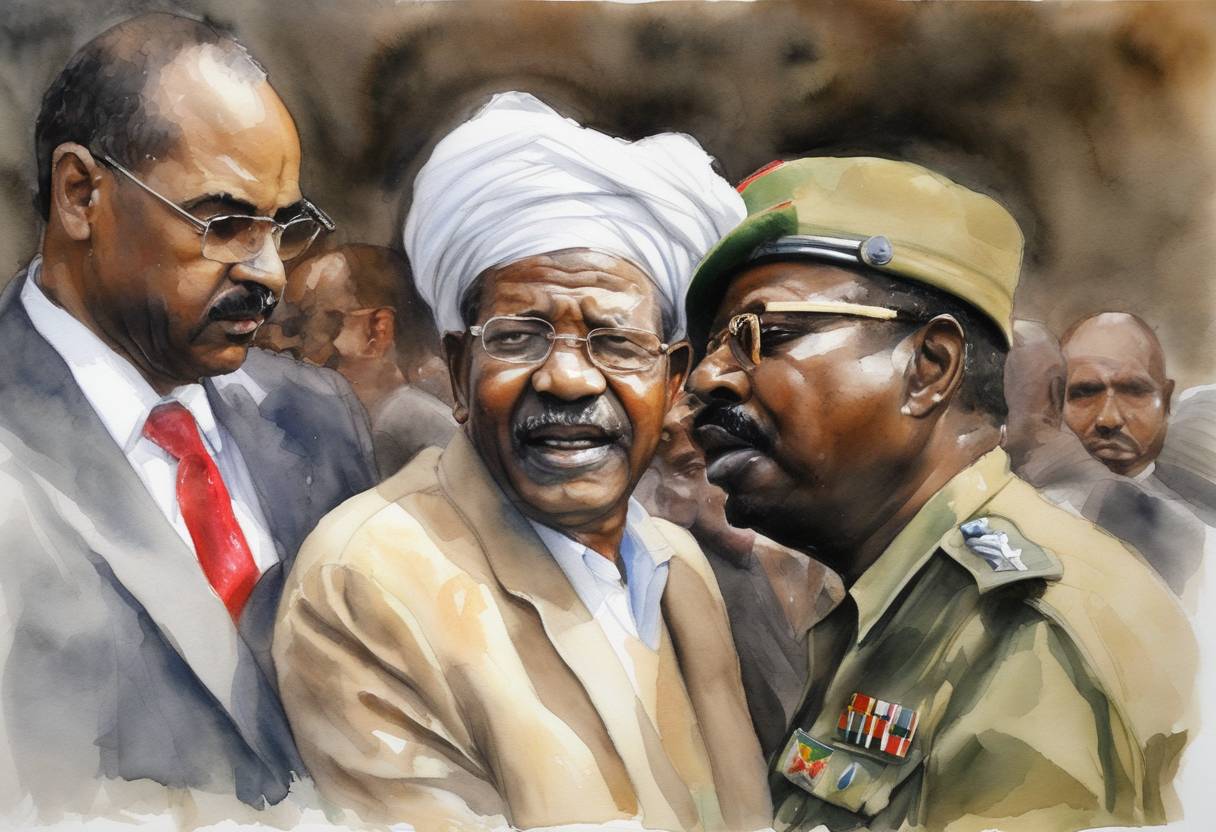
On March 5, 2009, the International Criminal Court (ICC) issued an arrest warrant for Sudanese President Omar al-Bashir. This marked a significant event as it was the first time the ICC sought the arrest of a sitting head of state, accusing him of war crimes and crimes against humanity in the conflict-ridden region of Darfur, Sudan.
The conflict in Darfur began in 2003 when two rebel groups, the Sudan Liberation Movement/Army (SLM/A) and the Justice and Equality Movement (JEM), took up arms against the Sudanese government. They accused it of oppressing Darfur’s non-Arab population. The Sudanese government, under President Omar al-Bashir, is alleged to have responded by unleashing a campaign of violence involving government forces and allied militia groups known as the Janjaweed.
The ICC’s arrest warrant for al-Bashir stemmed from accusations that he orchestrated mass killings, rapes, and forced displacements of civilians in Darfur. Specific charges included:
Despite the grave nature of these accusations, genocide charges were not included in this initial warrant.
Omar al-Bashir continued to travel internationally, visiting countries that were not signatories to the Rome Statute, which established the ICC, thereby eluding arrest. The ICC later issued a second warrant including genocide charges in 2010. Al-Bashir remained defiant until his ousting from power in 2019, after which domestic legal proceedings against him in Sudan became a possibility.
The ICC charges against al-Bashir highlighted the challenges of enforcing international law and the complexities of global justice mechanisms, particularly concerning sitting leaders and sovereign states.
Source: www.theguardian.com