Deposition of Charles the Fat on November 11, 887
887 · Frankfurt, East Francia
Charles the Fat, the last Carolingian Emperor, was deposed by the nobles of East Francia, leading to the eventual division of the Carolingian Empire.
November 17, 0887
Emperor Charles III, known as Charles the Fat, is deposed by nobles under the leadership of his nephew, Arnulf of Carinthia. This marks the end of the Carolingian dynasty's control over the entire Carolingian Empire, although members of the dynasty continued to rule in some parts of Europe.
, | Carolingian Empire Nobles
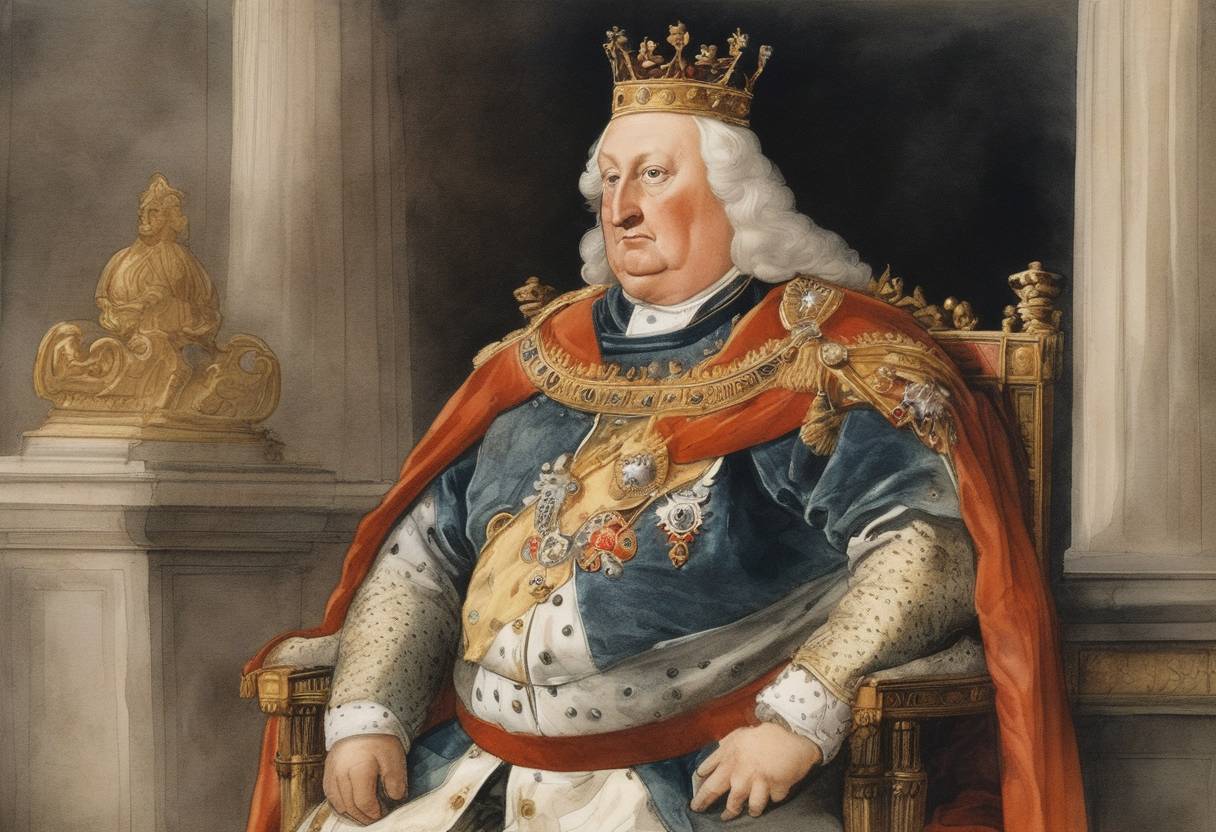
On November 17, 887, Emperor Charles III, known as Charles the Fat, was deposed by a faction of nobles led by his nephew, Arnulf of Carinthia. This significant event marked the end of the Carolingian dynasty’s unified control over the entire Carolingian Empire, a realm that had been established by Charlemagne and had dominated Western Europe for over a century.
Charles the Fat became Emperor of the Carolingian Empire in 881 and, by 884, he had united the Eastern and Western Frankish kingdoms under his rule. Despite this consolidation of power, his reign was plagued by mismanagement and a series of military and political failures. He was unable to adequately address the external threats from Vikings and internal dissent among the nobility.
On November 17, 887, at a diet held in Tribur (near present-day Oppenheim, Germany), Arnulf of Carinthia, Charles’s illegitimate nephew and a powerful regional ruler, led a coalition of nobles who voted to depose Charles. This assembly was a critical response to Charles’s inability to control the empire and defend its territories.
The deposition of Charles the Fat is seen as a pivotal moment in the transition from early medieval to high medieval history, setting the stage for the political landscape of medieval Europe.
Source: en.wikipedia.org