The Pullman Strike of 1894: June 26 Events
1894 · Chicago, United States
The American Railway Union strikes against the Pullman Company and is joined by the employees of railways under the General Managers Association in Chicago.
June 14, 1881
The city of Paterson, New Jersey, is profoundly affected by the devastating Paterson Silk Strike, as tensions in textile industries lead to widespread worker protests and demands for better conditions.
Paterson, United States | Textile Unions
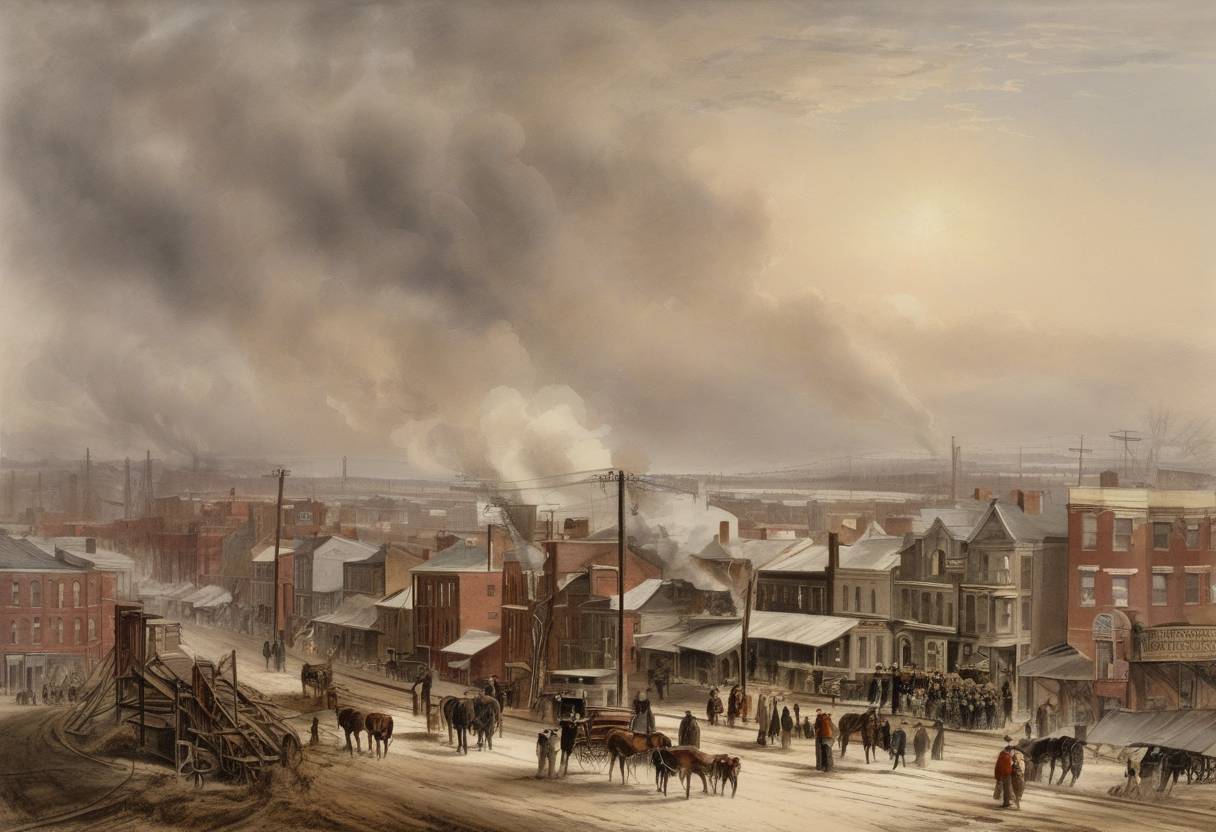
In the late 19th century, Paterson, New Jersey, had firmly established itself as a pivotal center for silk manufacturing in the United States. The city’s burgeoning textile industry attracted a diverse workforce, including many immigrants seeking better economic opportunities. However, this rapid industrialization came at a cost, as workers faced long hours, low wages, and poor working conditions.
On June 14, 1881, the tensions within the silk factories of Paterson erupted into a significant labor strike. Textile workers, driven by grievances over exploitative working conditions, organized a large-scale protest demanding improvements. The core issues included demands for shorter working hours and better wages.
This labor unrest was not isolated. It reflected a broader national trend during the Gilded Age, where industrial workers across various sectors began to organize and demand reforms. In Paterson, the strike was a manifestation of the growing sense of worker empowerment and resistance against industrial exploitation.
The Paterson Silk Strike of 1881 was critical in highlighting the need for labor reform within the textile industry. Although the immediate outcomes did not lead to significant changes, the strike set a precedent for future labor movements in Paterson and beyond.
The event also contributed to the evolving labor movement in the United States, where workers increasingly recognized the power of collective action to negotiate for better conditions. Over time, these efforts paved the way for more structured labor organizations and subsequent strikes that further pushed for worker rights and labor laws.
The Paterson Silk Strike of 1881 demonstrates the early struggles of industrial workers in America and underscores the evolution of labor rights movements. The textile workers of Paterson would continue to play a prominent role in the fight for improved conditions, culminating in future strikes and labor actions that eventually led to more sustainable reforms.
This event is a poignant reminder of the social and economic conflicts of the industrial age and the ongoing struggle for workers’ rights, contributing significantly to the narrative of labor history in the United States.
Source: www.labormovementhistory.com