NASA Launches Space Shuttle Atlantis on STS-129
2009 · Cape Canaveral, United States
NASA launched the space shuttle Atlantis on STS-129, a mission to the International Space Station.
August 8, 2007
NASA's Space Shuttle Endeavour launched on mission STS-118, continuing assembly of the International Space Station and marking the first flight of Endeavour since 2002.
Cape Canaveral, United States | NASA
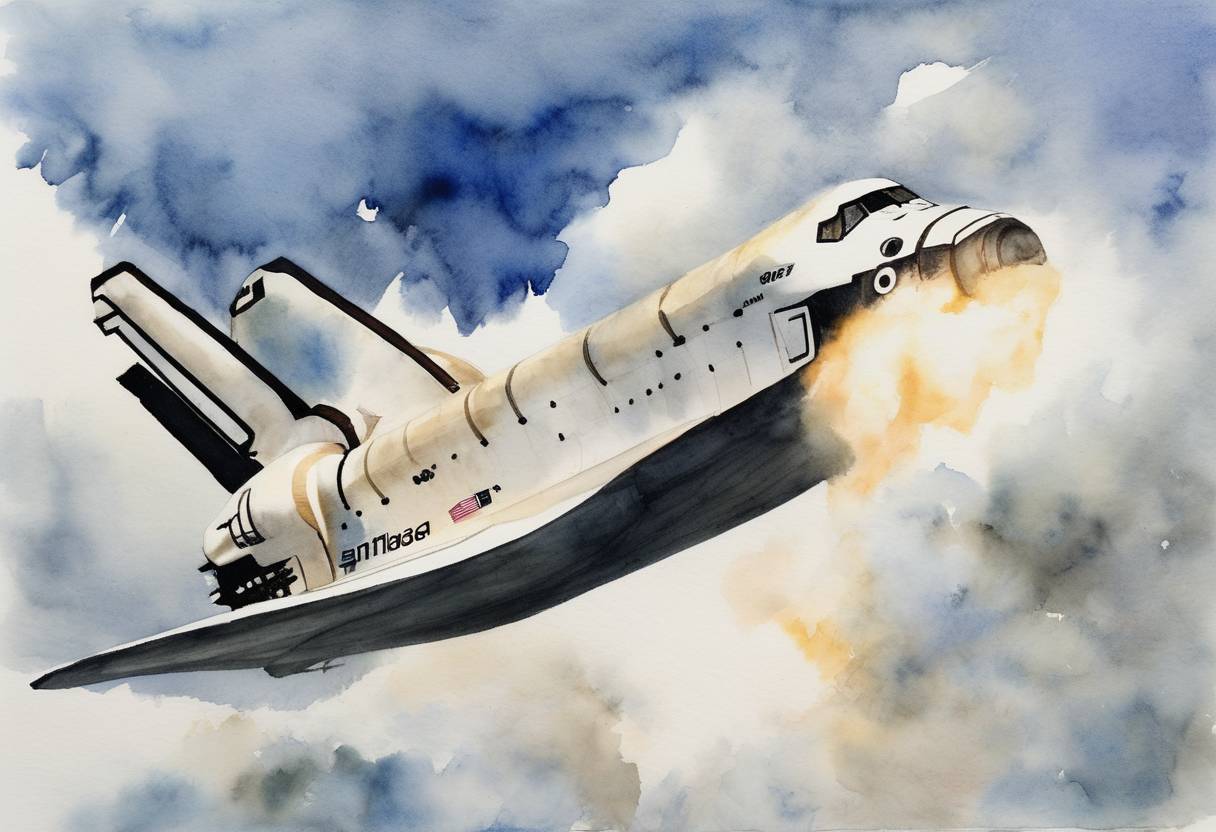
On August 8, 2007, NASA’s Space Shuttle Endeavour launched from the Kennedy Space Center in Florida, marking a significant milestone in the history of the Space Shuttle program. This mission, designated STS-118, was pivotal for multiple reasons, including its role in the assembly of the International Space Station (ISS) and being Endeavour’s first flight since its return to service, following nearly five years of modifications and upgrades.
The primary objective of STS-118 was to deliver and install a new segment of the Integrated Truss Structure to the ISS. This segment, known as the S5 truss, was crucial for expanding the station’s power and thermal control systems, supporting future scientific experiments and crew operations. Additionally, the shuttle delivered replacement gyroscopes and a new control moment gyroscope to bolster the station’s orientation capabilities.
The mission was commanded by Scott J. Kelly, with Charles O. Hobaugh serving as the pilot. The crew consisted of Barbara R. Morgan, the first educator astronaut, marking her historic journey as a tribute to the legacy of the Challenger Disaster’s Teacher in Space Project. The crew also included Richard A. Mastracchio, Tracy Caldwell Dyson, and Canadian astronaut Dafydd Williams, alongside Alvin Drew, making his first space flight.
STS-118 facilitated several experiments related to biology and materials science, leveraging the unique microgravity environment of the ISS. These experiments were designed to provide insights into diverse scientific questions and technological applications.
Endeavour’s launch was notable as it occurred during a twilight liftoff, offering spectacular visuals widely captured and broadcasted. This mission underscored the continued international cooperation aboard the ISS, with multi-national contributions being critical to the station’s construction and function.
Endeavour’s successful return to flight after extensive refurbishment showcased NASA’s commitment to shuttle safety and innovation. The modifications included improved cockpit displays, enhanced landing systems, and additional protective tiles, reflecting lessons learned from past missions.
The contributions of STS-118 to the ISS set the stage for further components and supported NASA’s broader objectives for deep space exploration. This mission played a role in preparing for future endeavors targeting long-duration human presence in space, such as contemplated missions to Mars and beyond.
STS-118’s accomplishments serve as a testament to the collaborative spirit and technological prowess achievable in human spaceflight, reinforcing international partnerships and advancing our understanding of space.
Source: www.nasa.gov