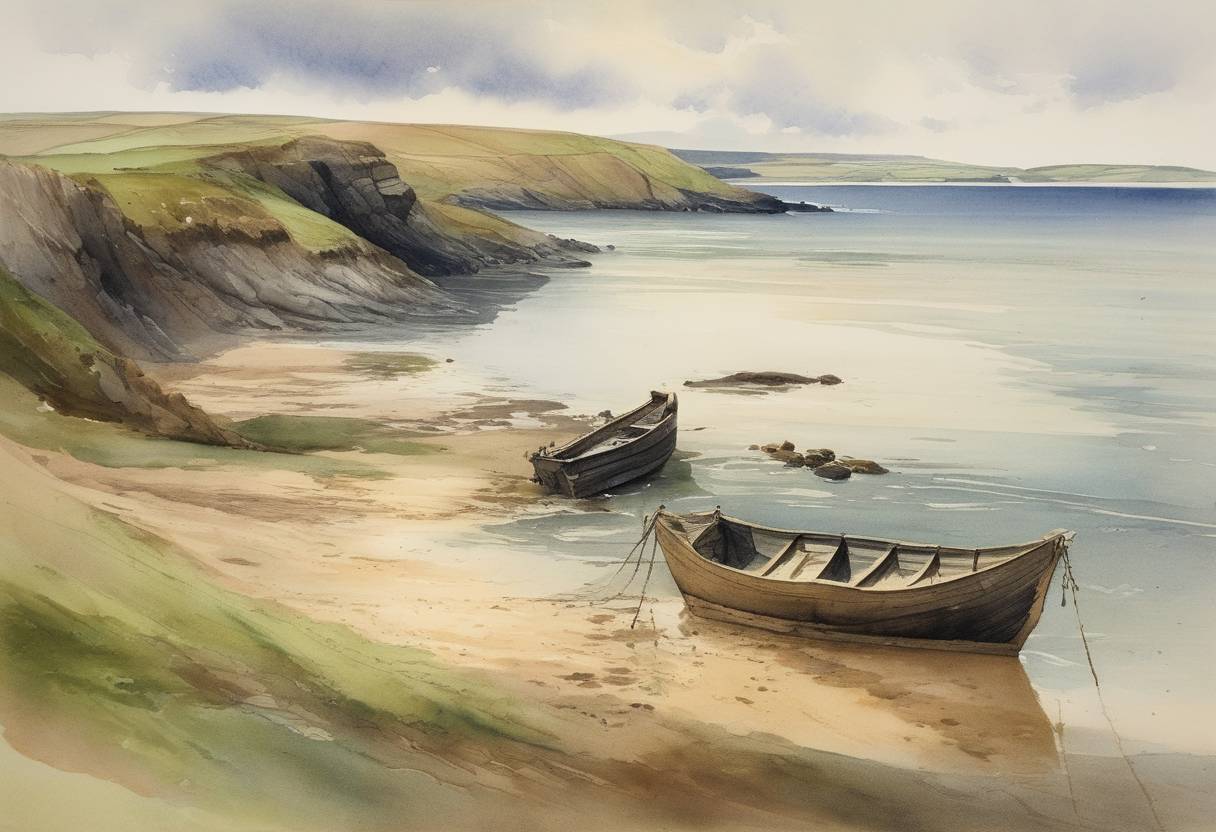
The Doom Bar Alteration: November 19, 1911
The Doom Bar is a notorious sandbank located at the mouth of the Camel Estuary on the north coast of Cornwall, England. It has long posed a significant navigational hazard for ships entering and leaving the port of Padstow. On November 19, 1911, a significant engineering intervention occurred, driven by the Board of Trade, to alter the configuration of this hazardous feature.
Historical Context
The Doom Bar had been a notorious obstacle for mariners for centuries, contributing to numerous shipwrecks due to its changing shape and breadth, which made navigation treacherous. Mariners had to navigate carefully around the sandbank while contending with the tides and often unpredictable weather conditions typical of the region.
During the late 19th and early 20th centuries, there was increasing pressure to improve safety for maritime traffic in the area as trade and shipping activities grew. The Board of Trade was responsible for overseeing maritime safety and took steps to address this persistent danger.
November 19, 1911: Engineering Intervention
On November 19, 1911, engineers from the Board of Trade undertook a direct intervention to improve navigation at the Camel Estuary. This operation involved dredging and shifting parts of the Doom Bar sandbank with the goal of creating a safer passage for ships. The work was intended to alleviate the peril posed by the Doom Bar, thereby reducing the frequency of shipwrecks and enhancing the economic viability of the port of Padstow.
Aftermath and Historical Significance
The engineering work on the Doom Bar marked a pivotal moment in the history of maritime safety in the region. While the intervention was met with some success, it did not completely eliminate the navigational challenges posed by the sandbank. However, it did represent an important effort by the Board of Trade to use engineering solutions to enhance maritime safety.
The legacy of the Doom Bar endures not only in historical records but also in local lore and culture, often being cited in stories and legends featuring shipwrecks and seafaring adventures. This event is a testament to the ongoing challenge of balancing human endeavors with the natural and ever-changing maritime environment.