Adolf Hitler Becomes Supreme Commander-in-Chief of the German Army
1941 · Berlin, Germany
Adolf Hitler becomes Supreme Commander-in-Chief of the German Army.
February 26, 1935
Adolf Hitler ordered the Luftwaffe to be re-formed, violating the Treaty of Versailles.
Berlin, Germany | Nazi Germany
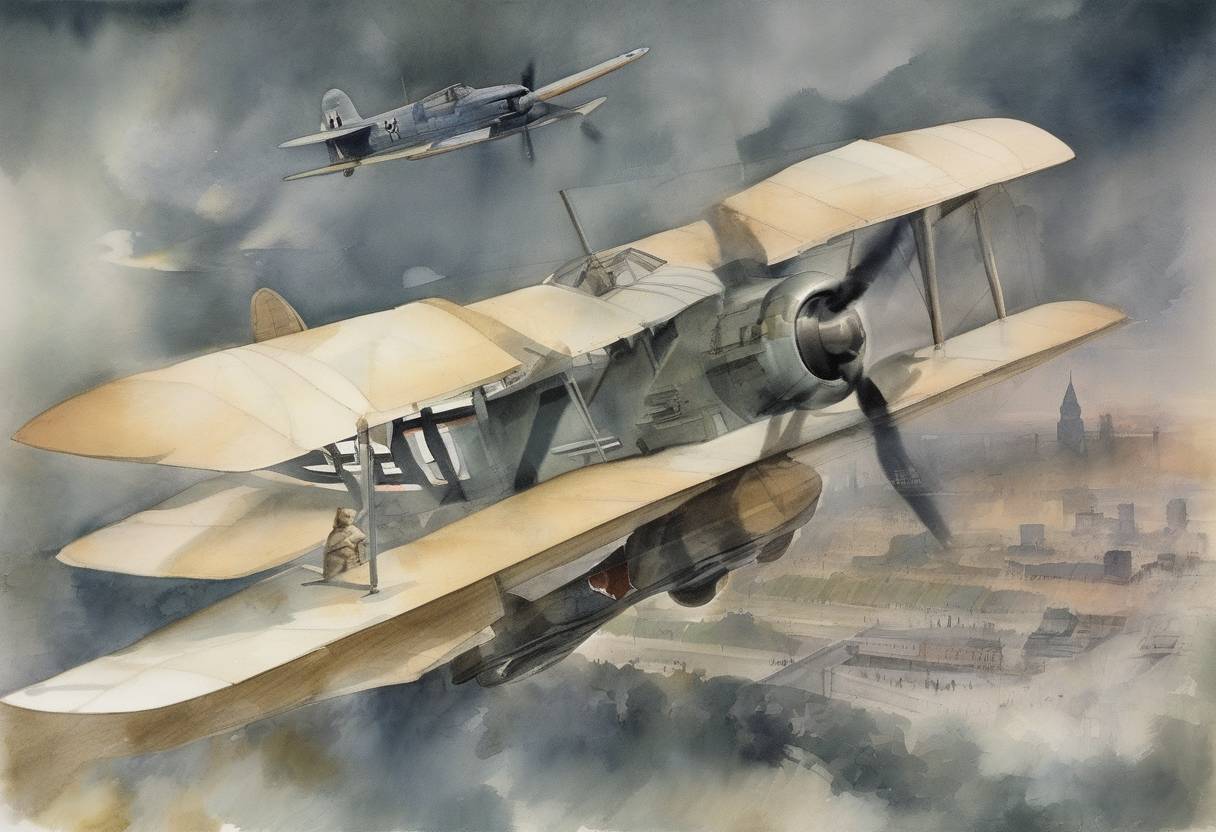
On February 26, 1935, Adolf Hitler took a significant step in his defiance of the Treaty of Versailles by ordering the reformation of the Luftwaffe, Germany’s air force. This move was a pivotal moment in the lead-up to World War II, marking a clear violation of the post-World War I peace settlement and showcasing Hitler’s aggressive expansionist policies.
Treaty of Versailles: Signed in 1919, the Treaty of Versailles imposed strict disarmament measures on Germany following its defeat in World War I. Among these restrictions was the prohibition of an air force, intended to limit Germany’s military capabilities and prevent future conflicts.
Rise of the Nazi Party: Adolf Hitler and the Nazi Party rose to power in Germany in 1933, with a platform that included the rejection of the Versailles Treaty. Hitler’s regime sought to restore Germany’s military strength and national pride, which had been severely curtailed by the treaty.
Secret Rearmament: Even before the official announcement, Germany had been secretly rebuilding its military capabilities, including the development of an air force. This clandestine rearmament was part of a broader strategy to reassert Germany’s power.
Public Announcement: On March 16, 1935, just weeks after the reformation of the Luftwaffe, Hitler publicly announced the reintroduction of conscription and openly declared Germany’s rearmament, further flouting the Treaty of Versailles.
Violation of International Agreements: The reformation of the Luftwaffe was a direct violation of the Treaty of Versailles and signaled Germany’s intention to disregard international agreements that it deemed unfavorable.
Escalation of Tensions: This move contributed to the growing tensions in Europe, as neighboring countries and the Allied powers became increasingly alarmed by Germany’s military expansion and aggressive policies.
Prelude to World War II: The reformation of the Luftwaffe was one of several steps taken by Hitler that set the stage for World War II. It demonstrated the failure of the Versailles Treaty to maintain peace and highlighted the challenges of enforcing disarmament.
Military Advancements: The Luftwaffe would go on to play a crucial role in Germany’s military strategy during World War II, becoming one of the most formidable air forces of the time.
In summary, the reformation of the Luftwaffe on February 26, 1935, was a critical moment in the interwar period, illustrating the limitations of the Treaty of Versailles and foreshadowing the aggressive militarism that would lead to global conflict.
Source: en.wikipedia.org