1906 · Santiago, Chile
The Santiago Fire of 1910 occurred, resulting in the destruction of a large portion of Santiago, Chile.
August 5, 2010
A cave-in at the San José copper-gold mine in northern Chile trapped 33 miners underground. The miners were eventually rescued after 69 days, in a dramatic operation that captured global attention.
Copiapó, Chile | San Esteban Mining Company
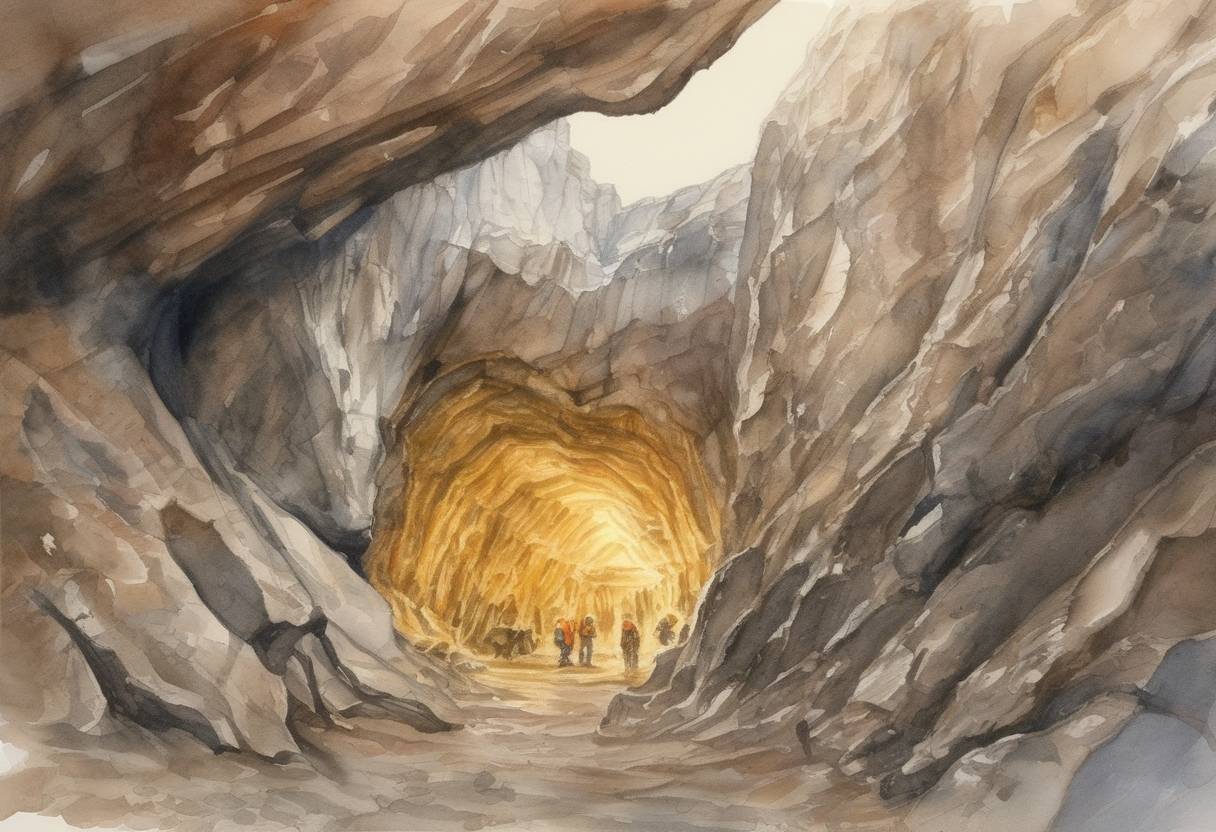
On August 5, 2010, a catastrophic cave-in occurred at the San José copper-gold mine, located near Copiapó in the Atacama Desert of northern Chile. The mine, which had been operational since the late 19th century, was owned by the San Esteban Mining Company. It had a history of safety violations and accidents, which set the stage for the disaster that would unfold.
The collapse trapped 33 miners approximately 700 meters (about 2,300 feet) underground. The miners were working in a section of the mine that was notoriously unstable, and the cave-in blocked all escape routes. Initially, it was unclear whether any of the miners had survived the collapse.
The Chilean government, led by President Sebastián Piñera, quickly mobilized a massive rescue operation. The effort involved the Chilean military, mining experts, and international assistance. The primary challenge was locating the miners and establishing communication with them.
Seventeen days after the collapse, on August 22, rescuers successfully drilled a borehole down to the miners’ location. A note was sent back to the surface, famously reading, “Estamos bien en el refugio, los 33” (“We are well in the shelter, the 33”). This confirmation of life galvanized the rescue efforts and captured global attention.
Once contact was established, rescuers sent food, water, and medical supplies through narrow boreholes. The miners displayed remarkable resilience, organizing themselves into a community to ration supplies and maintain morale.
The rescue plan, dubbed “Operación San Lorenzo,” involved drilling a larger borehole to extract the miners one by one. The operation utilized a specially designed capsule, named “Fénix,” to hoist the miners to the surface. The rescue commenced on October 12, 2010, and concluded successfully on October 13, with all 33 miners brought to safety after 69 days underground.
The rescue operation was a triumph of engineering, international cooperation, and human spirit. It drew global media coverage and highlighted issues of mine safety and workers’ rights. The miners became national heroes, and their story was later depicted in films and documentaries.
The Chilean government and the mining industry faced increased scrutiny, leading to reforms aimed at improving safety standards. The San José mine disaster remains a poignant reminder of the risks faced by miners and the importance of stringent safety regulations.
The San José mine rescue was not only a miraculous survival story but also a testament to human ingenuity and solidarity. It underscored the need for vigilance in occupational safety and the power of hope and perseverance in the face of adversity.
Source: www.bbc.com