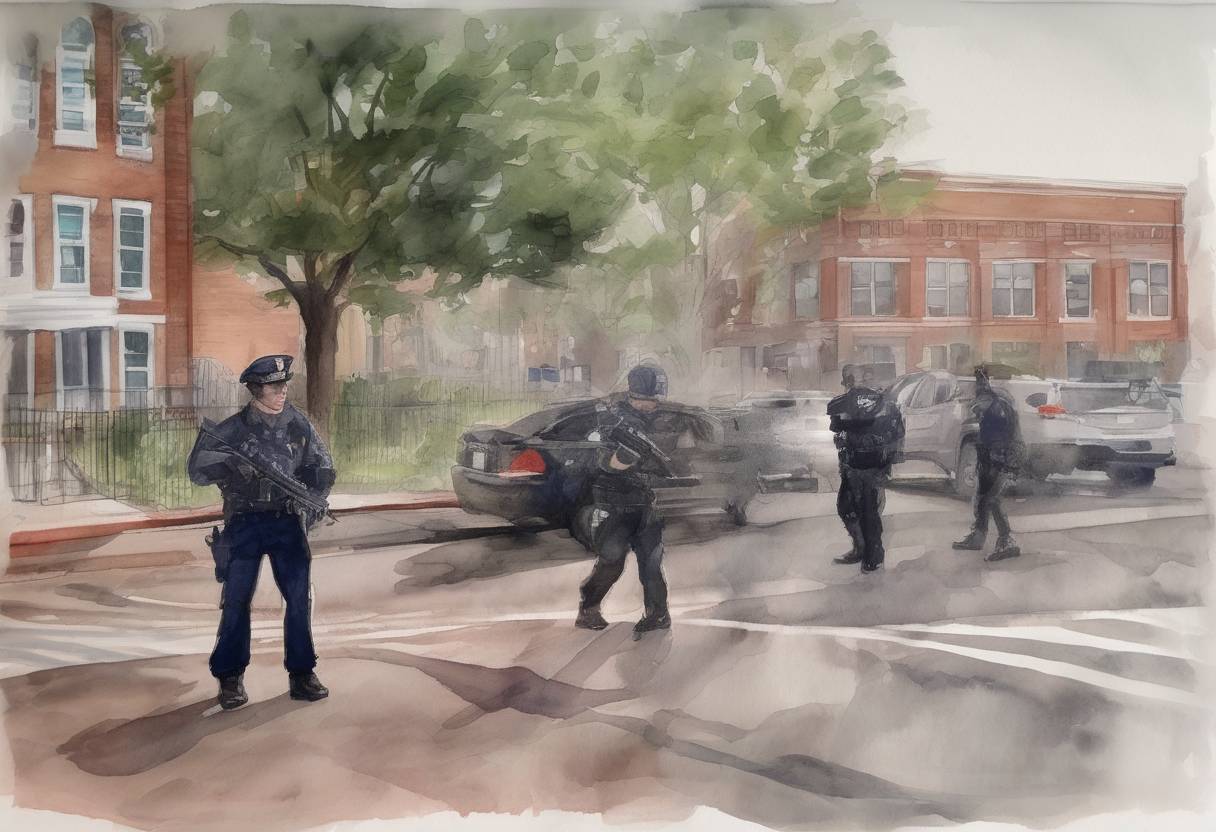
Washington Navy Yard Shooting - September 17, 2013
On September 16, 2013, a tragic mass shooting occurred at the Washington Navy Yard in Washington, D.C., resulting in the deaths of 12 individuals. The incident was one of the deadliest mass shootings on a U.S. military installation.
Background
The Washington Navy Yard, established in 1799, is the oldest shore establishment of the U.S. Navy. It serves as a ceremonial and administrative center for the Navy, housing various offices and facilities.
The Incident
- Date and Time: The shooting began around 8:15 a.m. on September 16, 2013.
- Location: The attack took place in Building 197, the headquarters of the Naval Sea Systems Command (NAVSEA), where approximately 3,000 people work.
- Perpetrator: The gunman was identified as Aaron Alexis, a 34-year-old former Navy reservist and IT contractor. Alexis had been employed by a subcontractor to work on a project at the Navy Yard.
Sequence of Events
- Entry: Alexis entered the Navy Yard using a valid pass. He was armed with a shotgun, which he had legally purchased, and later obtained a handgun from a security officer he shot.
- Shooting: Alexis moved through the building, targeting individuals at random. The shooting lasted for approximately an hour.
- Response: Law enforcement, including the Metropolitan Police Department and federal agencies, responded swiftly. A lockdown was initiated, and a search for the shooter ensued.
- Conclusion: Alexis was killed in a gunfight with police officers at around 9:25 a.m.
Casualties
- Fatalities: 12 victims were killed, ranging in age from 46 to 73.
- Injuries: Several others were injured, including a police officer.
Aftermath and Impact
- Investigation: The FBI led the investigation, which revealed that Alexis had a history of mental health issues, including auditory hallucinations. Despite these issues, he had been able to maintain a security clearance.
- Security Reforms: The shooting prompted a review of security protocols at military installations and raised concerns about the vetting process for security clearances.
- Public Reaction: The incident reignited debates over gun control and mental health care in the United States.
Broader Significance
The Washington Navy Yard shooting highlighted vulnerabilities in security at military facilities and underscored the challenges of addressing mental health issues within the context of gun violence. It also served as a catalyst for policy discussions and reforms aimed at preventing similar tragedies in the future.