Founding of Godthåb (Nuuk) on August 26, 1728
1728 · Nuuk, Greenland
The city of Nuuk, later to become the capital of Greenland, is founded as Godthåb by the Norwegian missionary Hans Egede.
June 20, 2009
Greenland assumes self-rule with the Danish government transferring more powers to the Greenlandic government, including control over law enforcement and the judicial system.
Nuuk, Greenland | Government of Greenland
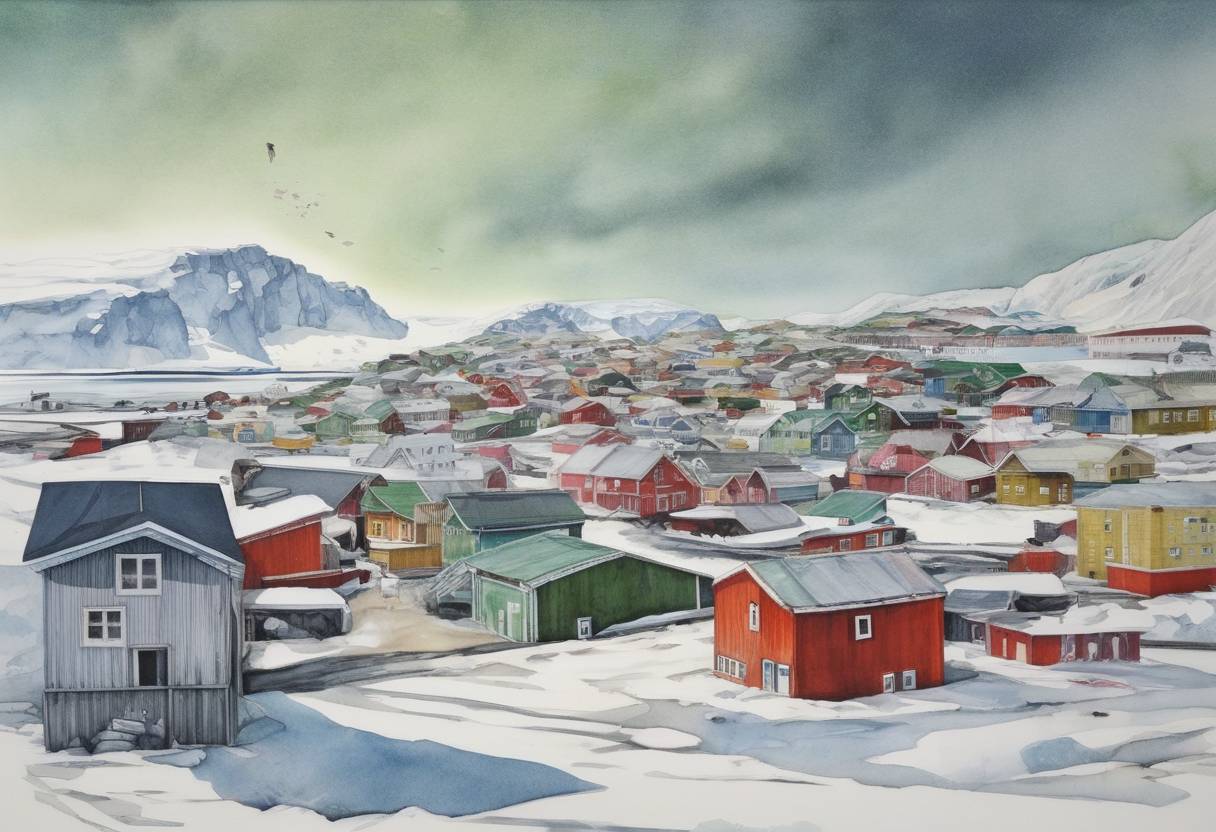
On June 20, 2009, Greenland took a significant step towards greater autonomy with the implementation of the Self-Government Act. This landmark event marked the transfer of more powers from the Danish government to the Greenlandic government, enhancing Greenland’s self-governance capabilities.
Greenland, the world’s largest island, has been a part of the Kingdom of Denmark since 1814. It was granted home rule in 1979, which allowed for a degree of self-governance. However, the desire for more autonomy persisted among Greenlanders, driven by a distinct cultural identity and the potential for economic independence through natural resources.
The Self-Government Act of 2009 was a result of negotiations between Greenlandic and Danish authorities, reflecting a mutual agreement to expand Greenland’s autonomy. Key aspects of the act included:
The implementation of the Self-Government Act was a pivotal moment in Greenland’s history, symbolizing a move towards greater self-determination. It allowed Greenland to manage its internal affairs more independently and laid the groundwork for potential future discussions on full independence.
In conclusion, the events of June 20, 2009, marked a significant advancement in Greenland’s journey towards self-governance. The Self-Government Act not only empowered Greenland with greater control over its affairs but also set the stage for ongoing discussions about its future status within the Kingdom of Denmark.
Source: www.theguardian.com