Renaming of Cambridge College to Harvard College
1639 · Cambridge, Colonial America (now USA)
Cambridge College is renamed Harvard College after clergyman John Harvard.
October 28, 1636
Harvard College is founded in Cambridge, Massachusetts.
Cambridge, United States | Massachusetts Bay Colony
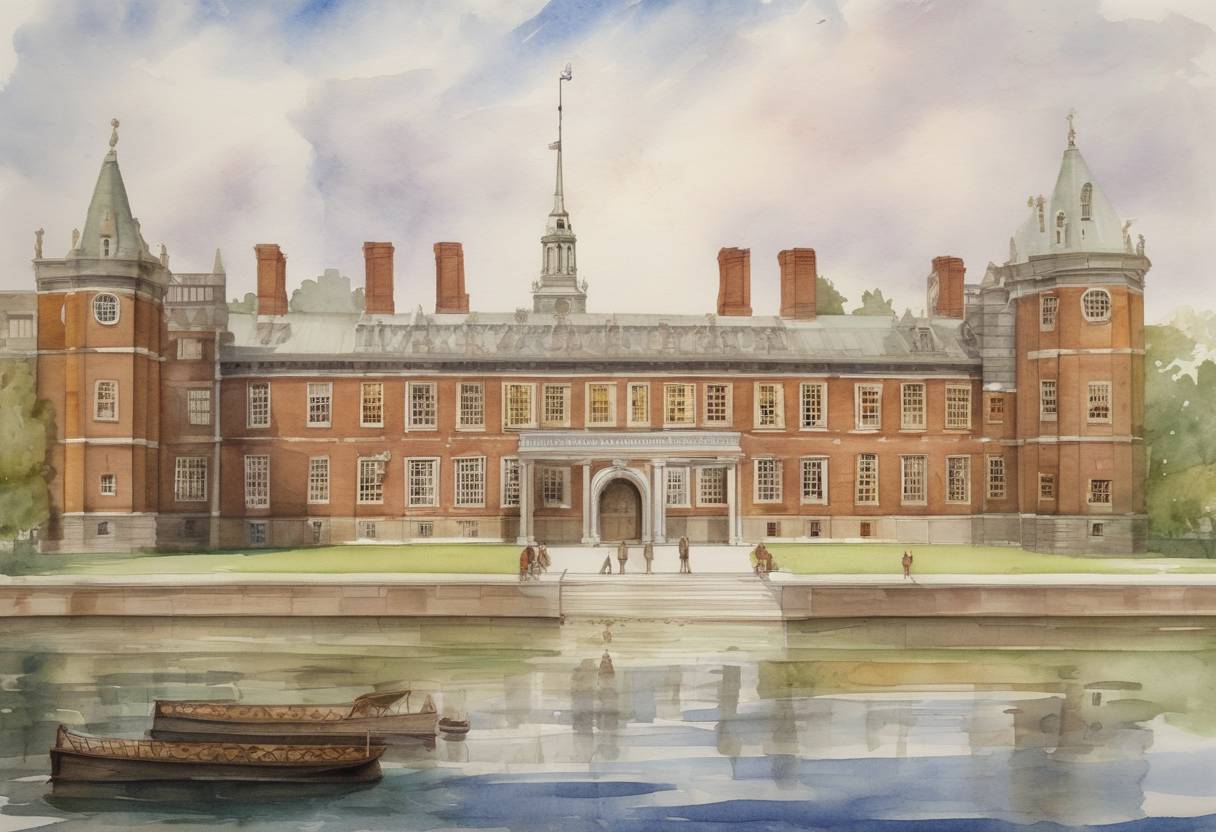
On October 28, 1636, the Great and General Court of the Massachusetts Bay Colony formally established Harvard College, marking a significant moment in the history of American higher education. This decision laid the foundation for what would become the oldest institution of higher learning in the United States.
Colonial Education Needs: The early settlers of the Massachusetts Bay Colony, primarily Puritans, placed a high value on education. They believed in the importance of an educated clergy and leadership to maintain their religious and civic ideals.
Legislative Action: The General Court, which served as the colony’s legislative body, recognized the need for an institution to train ministers and other leaders. On October 28, 1636, they voted to allocate £400 for the establishment of a “schoale or colledge.”
Location: The college was established in New Towne, which was later renamed Cambridge in honor of the English university city, reflecting the settlers’ aspirations to emulate the educational standards of England.
Naming: In 1639, the institution was named Harvard College after John Harvard, a young clergyman who bequeathed half of his estate and his library of 400 books to the college upon his death in 1638. This generous donation significantly bolstered the fledgling institution.
Early Curriculum: The curriculum was initially designed to provide a classical education, focusing on the study of Latin, Greek, and theology, which were essential for training ministers.
Educational Influence: Harvard College set a precedent for higher education in the American colonies, influencing the establishment of other colleges and universities across the continent.
Cultural Impact: Over the centuries, Harvard has grown into a leading global institution, contributing significantly to various fields of study and producing numerous influential leaders, scholars, and innovators.
Legacy: Today, Harvard University stands as a testament to the enduring value placed on education by the early settlers and continues to play a pivotal role in shaping educational standards and practices worldwide.
The founding of Harvard College on October 28, 1636, represents a foundational moment in the history of American education, reflecting the early colonists’ commitment to learning and intellectual development.
Source: en.wikipedia.org