2003 · Mombasa, Kenya
A series of coordinated terrorist attacks occurred in Mombasa, Kenya, targeting an Israeli-owned hotel and an Israeli airliner.
October 12, 2000
The USS Cole, a United States Navy destroyer, was attacked by suicide bombers in a small boat laden with explosives while it was refueling in the Yemeni port of Aden. The attack killed 17 American sailors and injured 39 others.
Aden, Yemen | Al-Qaeda
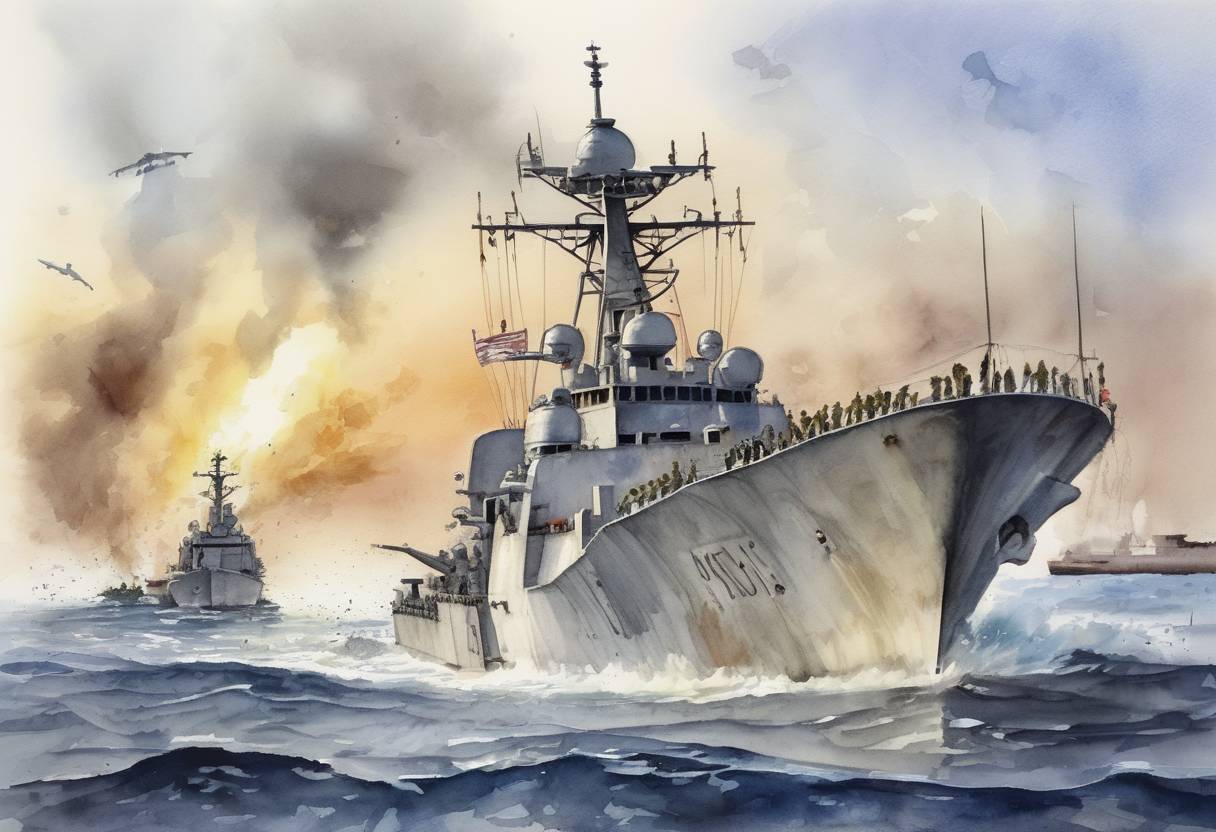
On October 12, 2000, the USS Cole, a United States Navy guided-missile destroyer, was the target of a devastating terrorist attack while it was docked in the Yemeni port of Aden for refueling. This tragic event resulted in the deaths of 17 American sailors and injuries to 39 others, marking a significant moment in the history of terrorism against U.S. military forces.
The USS Cole, an Arleigh Burke-class destroyer, was part of the U.S. Navy’s Atlantic Fleet. At the time of the attack, the ship was on its way to the Persian Gulf to support United Nations sanctions against Iraq. The port of Aden was a routine stop for refueling and logistical support.
The attack was attributed to the terrorist organization al-Qaeda. It was later revealed that the operation was orchestrated by al-Qaeda operatives, including Jamal al-Badawi and Abd al-Rahim al-Nashiri, who were key figures in the planning and execution of the attack.
The attack on the USS Cole was a pivotal moment in the history of U.S. military engagements with terrorist organizations. It underscored the reach and capability of al-Qaeda, serving as a wake-up call for the United States and its allies regarding the threat posed by non-state actors. The event also contributed to the shaping of U.S. foreign policy and military strategy in the early 21st century, particularly in the Middle East.
The memory of the sailors who lost their lives in the attack continues to be honored, and the incident remains a somber reminder of the ongoing challenges in combating terrorism worldwide.
Source: en.wikipedia.org