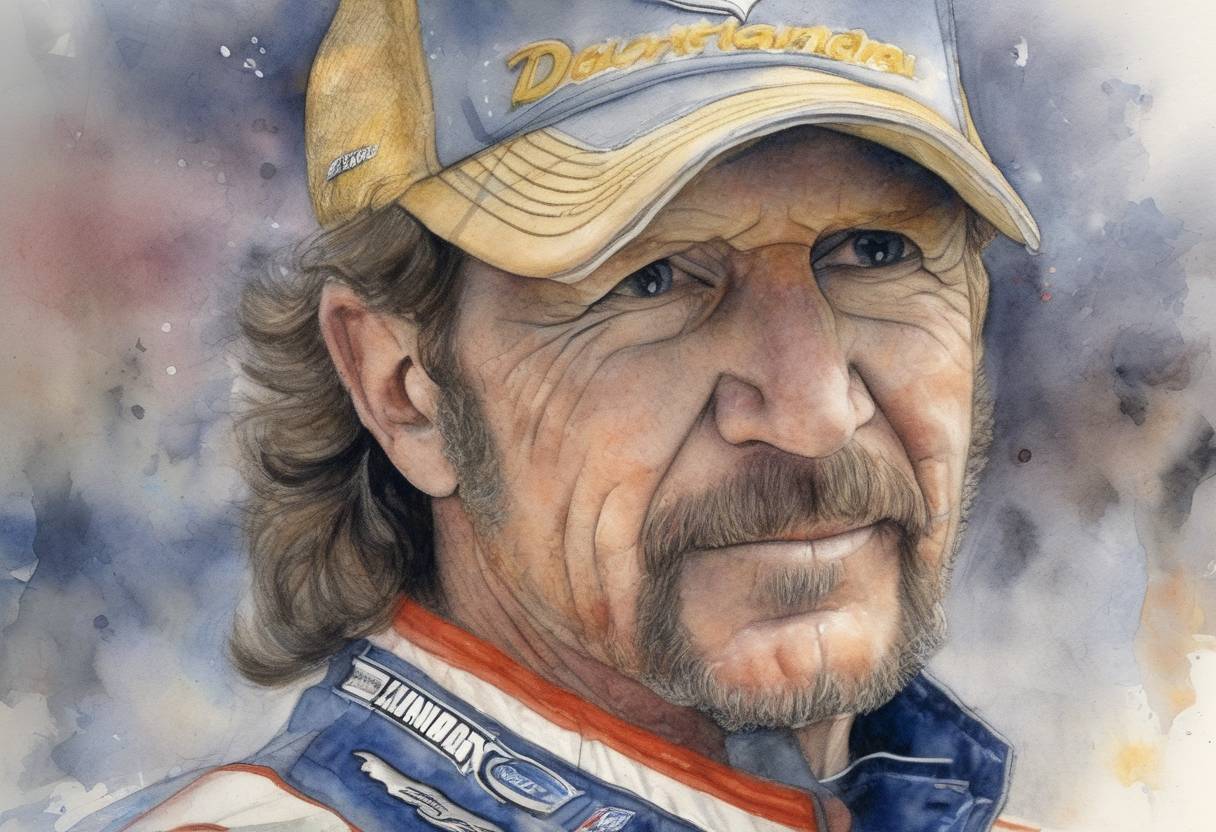
The Death of Dale Earnhardt: February 18, 2001
On February 18, 2001, the world of motorsports was shaken by the tragic death of Dale Earnhardt, a legendary figure in NASCAR racing. Known as “The Intimidator” for his aggressive driving style and competitive spirit, Earnhardt’s untimely demise occurred during the final lap of the Daytona 500, one of the sport’s most prestigious events.
Background
Dale Earnhardt was born on April 29, 1951, in Kannapolis, North Carolina. He was a seven-time NASCAR Winston Cup Series champion, tying the record set by Richard Petty. Earnhardt’s career was marked by his fearless driving and his ability to dominate on the track, earning him a devoted fan base and a prominent place in NASCAR history.
The Daytona 500 Race
The 2001 Daytona 500 was held at the Daytona International Speedway in Daytona Beach, Florida. It was the opening race of the NASCAR season and attracted significant attention, as it often does, due to its status as the “Super Bowl of Stock Car Racing.”
During the race, Earnhardt was driving the No. 3 Chevrolet for Richard Childress Racing. As the race neared its conclusion, Earnhardt was in third place, blocking for his son, Dale Earnhardt Jr., and his teammate, Michael Waltrip, who were leading the race.
The Crash
In the final lap, a collision occurred involving Earnhardt, Ken Schrader, and Sterling Marlin. Earnhardt’s car made contact with Marlin’s, causing it to veer off course and crash head-on into the retaining wall at high speed. The impact was severe, and Earnhardt’s car was then struck by Schrader’s vehicle.
Despite the violent nature of the crash, initial reactions did not suggest the severity of Earnhardt’s injuries. However, it was soon confirmed that he had suffered fatal injuries, including a basilar skull fracture, which led to his death.
Aftermath and Impact
Dale Earnhardt’s death sent shockwaves through the NASCAR community and the wider world of sports. It highlighted the inherent dangers of motorsport and prompted significant changes in safety regulations within NASCAR. These changes included the mandatory use of the HANS device (Head and Neck Support), improvements in car design, and the installation of SAFER barriers at tracks to absorb impact more effectively.
Earnhardt’s legacy endures, not only through his impressive record and contributions to the sport but also through the safety advancements that have protected countless drivers since his passing. His son, Dale Earnhardt Jr., continued his father’s legacy in NASCAR, becoming a successful driver in his own right.
Conclusion
The tragic events of February 18, 2001, remain a pivotal moment in NASCAR history. Dale Earnhardt’s death underscored the risks of racing and led to transformative safety measures that have made the sport safer for future generations. His influence on NASCAR is indelible, and he is remembered as one of the greatest drivers in the history of the sport.