Admission of Minnesota as the 32nd State
1858 · St. Paul, United States
Minnesota was admitted as the 32nd U.S. state.
July 4, 1838
The Iowa Territory was formally established by the United States.
Burlington, United States | United States Government
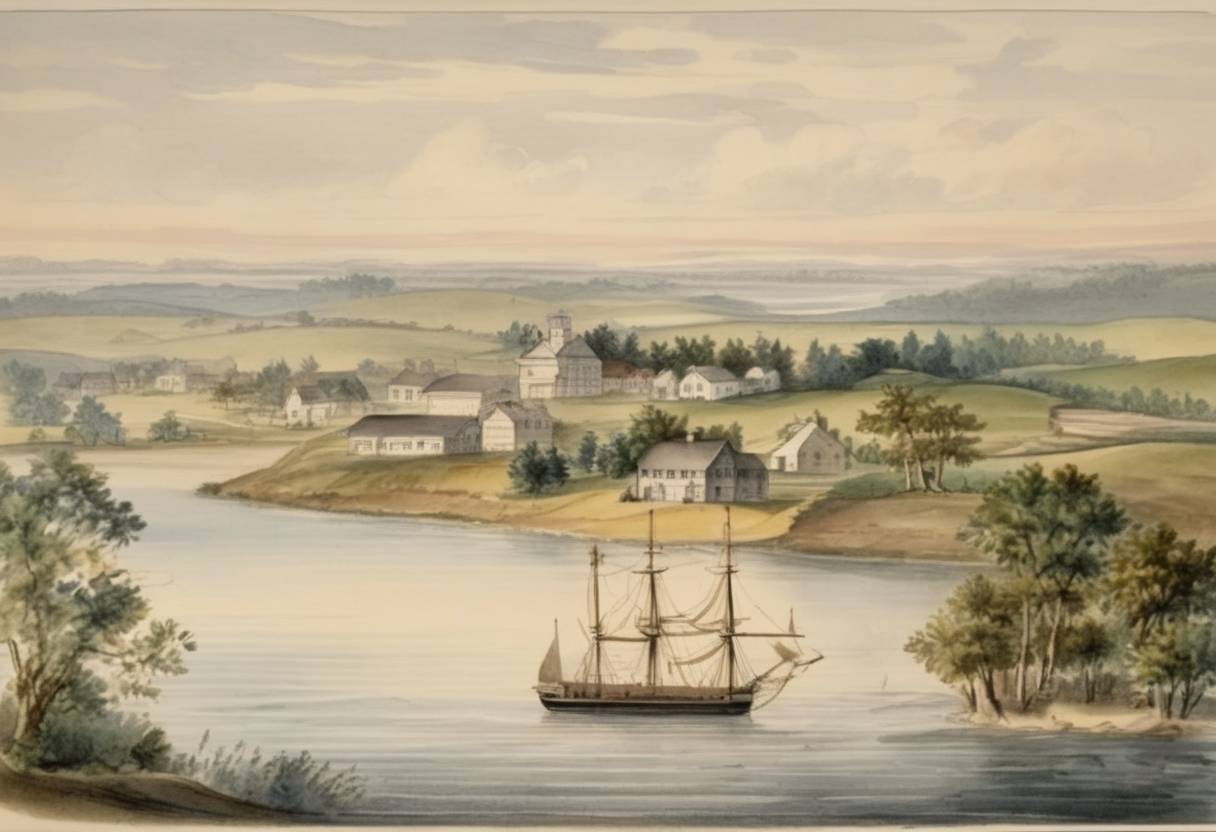
On July 4, 1838, the Iowa Territory was formally established by the United States, marking a significant moment in the westward expansion of the country. The creation of this territory occurred as part of the broader territorial reorganization that followed the admission of Michigan into the Union as a state in January 1837.
Prior to its establishment, the land comprising the future Iowa Territory was part of the larger Michigan Territory. As settlers pushed westward, the need for more localized governance became apparent. When Michigan achieved statehood, the remaining western lands were organized into the Wisconsin Territory in July 1836. However, the growing population in what would become Iowa necessitated further administrative divisions.
The Iowa Territory was created from the Wisconsin Territory, delineated by the Mississippi River to the east, the northern border of the state of Missouri to the south, and stretching westward to the Missouri River. Its establishment provided a structured government to an area that had been experiencing rapid settlement and development.
The first governor of the Iowa Territory was Robert Lucas, who had previously served as the governor of Ohio. His administration was tasked with establishing the foundational structure of territorial governance, including legal codes and public infrastructure necessary for the effective management of the area.
The establishment of the Iowa Territory played a crucial role in the westward expansion and settlement of the American Midwest. It paved the way for Iowa’s eventual admission as the 29th state of the United States in 1846. The creation of the territory facilitated the development of agriculture, transportation networks, and communities, significantly contributing to the economic growth of the region.
Following its establishment, the Iowa Territory experienced significant population growth. This was driven by factors such as the promise of fertile land and the broader national movement towards westward settlement. By 1840, the population had expanded sufficiently to warrant consideration for statehood, setting the stage for the drafting of a state constitution and the eventual transition to state government.
The formal establishment of the Iowa Territory on July 4, 1838, is remembered as a pivotal moment in the U.S. territorial expansion that contributed to shaping the geographic and political landscape of the modern United States.
Source: www.nps.gov