Mandala Airlines Flight 091 Crash
2005 · Medan, Indonesia
Mandala Airlines Flight 091 crashes in a residential area of Medan, Indonesia, shortly after takeoff, killing 149 people.
July 8, 2003
Sudan Airways Flight 139 crashed shortly after takeoff due to engine failure, resulting in the death of 116 out of 116 passengers and crew on board, with one child surviving the crash.
Port Sudan, Sudan | Sudan Airways
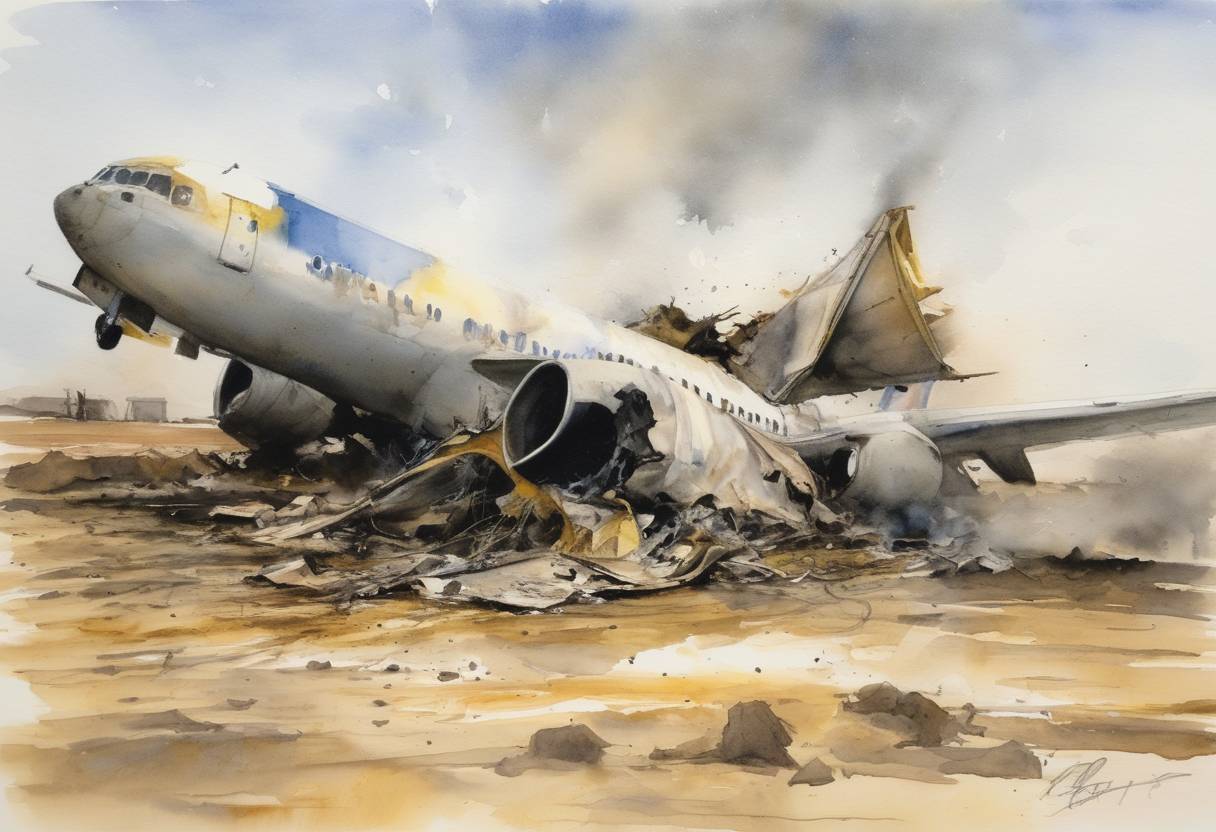
On July 8, 2003, Sudan Airways Flight 139 tragically crashed shortly after takeoff from Port Sudan New International Airport, Sudan. The aircraft was a Boeing 737-200 and the catastrophic event led to the loss of 116 lives, marking it as one of the deadliest aviation disasters in Sudanese history. Remarkably, one child survived the crash despite the devastating circumstances.
Sudan Airways was the national carrier of Sudan, and Flight 139 was scheduled to fly from Port Sudan to Khartoum. This domestic route was a routine operation for the airline. On this specific day, the Boeing 737-200 was carrying 116 passengers and crew members.
Shortly after takeoff in the early morning hours, the aircraft suffered engine failure. The pilots attempted to return to Port Sudan airport, but were unable to maintain flight due to the engine malfunction combined with unfavorable conditions. The plane crashed about 10 kilometers from the airport, in a deserted area, bursting into flames upon impact.
The crash resulted in a tragic loss; 116 people perished in the accident. However, amidst the devastation, a remarkable survival story emerged. One child survived the crash, found amidst the wreckage by rescue teams. This sole survival captured the attention and empathy of not just Sudan, but the international community as well.
In the wake of the crash, Sudanese authorities, with assistance from international aviation experts, launched a thorough investigation to determine the causes of the engine failure. The investigation focused on potential mechanical failures, maintenance issues, and the response of crew members to the emergency situation.
The crash underscored critical challenges faced by Sudan’s aviation industry, including aging aircraft and maintenance difficulties exacerbated by international sanctions and economic conditions. These factors contributed to operational challenges within Sudan Airways and prompted calls for improvements in aviation safety standards and practices in the country.
The disaster highlighted the significant safety and logistical challenges faced by airlines operating under economic and political constraints. It also spurred discussions about the need for fleet modernization and enhanced maintenance protocols. Within Sudan, the crash brought about an increased focus on improving aviation safety standards to prevent future tragedies.
This event remains a somber reminder of the critical importance of aviation safety and the human impact of air disasters. The survival of the child served as a poignant symbol of hope amidst great loss, capturing the attention of both local and global communities.
Source: www.bbc.com