The United Nations Conference on International Organization: April 25, 1945
1945 · San Francisco, United States
The United Nations Conference on International Organization began in San Francisco, leading to the creation of the United Nations.
September 18, 1961
UN Secretary-General Dag Hammarskjöld dies in a plane crash in Northern Rhodesia.
Ndola, Zambia | United Nations
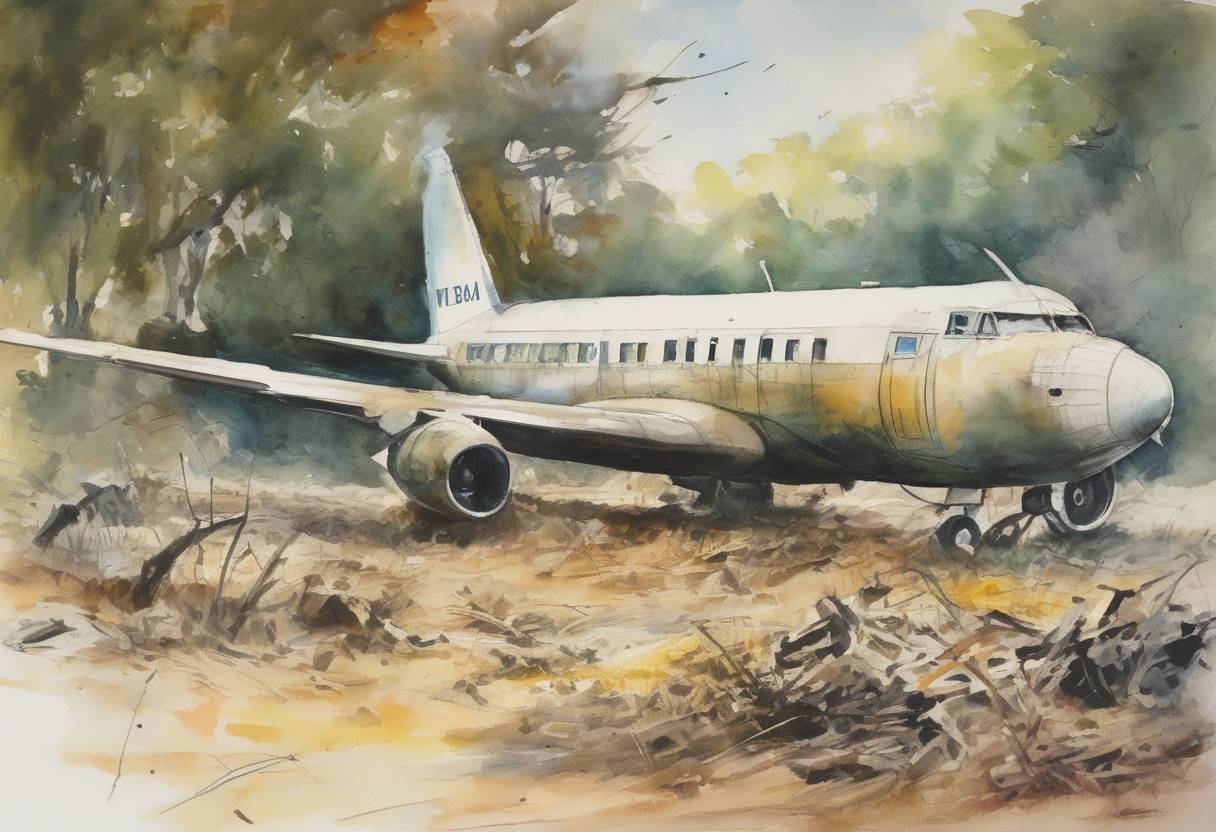
On September 18, 1961, Dag Hammarskjöld, the second Secretary-General of the United Nations, tragically died in a plane crash near Ndola, in what was then Northern Rhodesia (now Zambia). This event marked a significant moment in international diplomacy and the history of the United Nations.
Dag Hammarskjöld, a Swedish diplomat, served as the UN Secretary-General from April 1953 until his untimely death in 1961. He was known for his efforts to strengthen the role of the United Nations in maintaining international peace and security during a tense period of the Cold War. Hammarskjöld was particularly involved in peacekeeping missions and was instrumental in the establishment of the United Nations Emergency Force.
At the time of his death, Hammarskjöld was deeply involved in resolving the Congo Crisis. The crisis began in 1960 when the Republic of the Congo (now the Democratic Republic of the Congo) gained independence from Belgium, leading to political instability and conflict. The situation escalated with the secession of the mineral-rich province of Katanga, led by Moïse Tshombe. Hammarskjöld was en route to negotiate a ceasefire between UN forces and Katangese troops.
Hammarskjöld was traveling aboard a Douglas DC-6 aircraft, known as the “Albertina,” when it crashed near Ndola. The crash occurred under mysterious circumstances, and all but one of the 16 people on board were killed. The sole survivor, who later died from his injuries, reported seeing sparks in the sky before the crash, leading to various theories about the cause, including pilot error, sabotage, or an attack.
The crash prompted several investigations, but the exact cause remains inconclusive. Initial inquiries suggested pilot error, but subsequent investigations, including a 2017 UN report, have not ruled out foul play. The circumstances surrounding Hammarskjöld’s death continue to be a subject of speculation and investigation.
Dag Hammarskjöld’s death was a significant loss to the international community. He was posthumously awarded the Nobel Peace Prize in 1961 for his efforts in strengthening the United Nations and his dedication to peacekeeping. Hammarskjöld’s legacy endures through his contributions to international diplomacy and the principles of peace and cooperation he championed.
His death underscored the risks faced by international diplomats and highlighted the complexities of Cold War geopolitics. The ongoing investigations into the crash reflect the enduring interest in uncovering the truth behind this pivotal moment in history.
Source: en.wikipedia.org