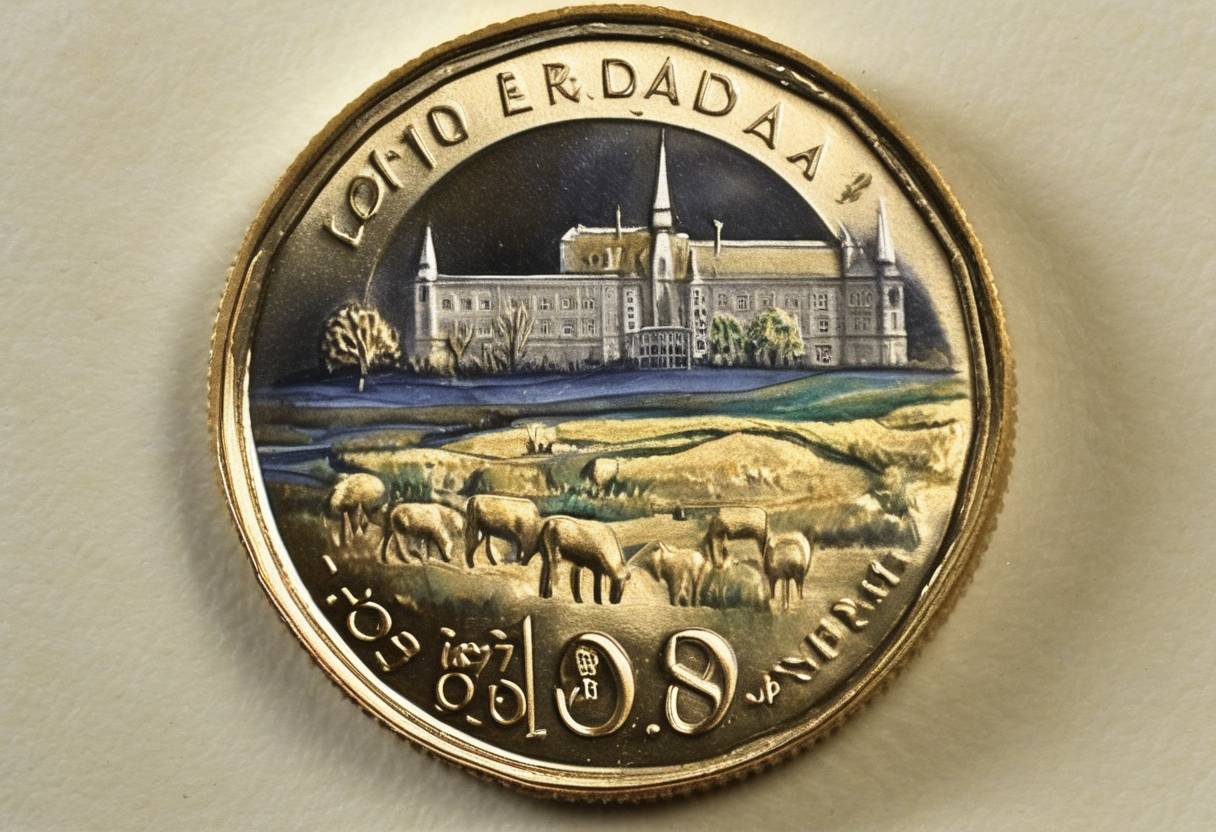
The Introduction of the Loonie: June 30, 1987
On June 30, 1987, the Royal Canadian Mint introduced the $1 coin, widely known as the “Loonie,” into circulation in Canada. This event marked a significant shift in the Canadian currency system, replacing the dollar bill with a coin that became emblematic of Canadian currency.
Background and Reasons for Introduction
The decision to issue a \(1 coin was driven by economic and practical considerations. The production of banknotes, particularly \)1 bills, was more costly and they had a shorter lifespan compared to coins. The Canadian government estimated that replacing paper with a more durable coin would result in substantial savings due to the reduced need for frequent replacements.
Design and Features
The Loonie earned its nickname from the image of a common loon, an iconic Canadian bird, depicted on one side of the coin. Designed by artist Robert-Ralph Carmichael, the coin is made primarily of nickel with an 11-sided, gold-colored design, giving it a distinct look and feel. The reverse side features the classic profile of Queen Elizabeth II.
Upon its release, there was skepticism and reluctance from the public to shift from the familiar paper currency to coins. Initial resistance was overcome as the coin’s practicality became apparent and the public grew accustomed to its use.
Long-term Significance
The introduction of the Loonie had a lasting influence on Canadian currency. It paved the way for the introduction of the $2 coin, called the “Toonie,” in 1996. Despite initial resistance, the Loonie has become a staple in Canadian transactions and holds symbolic importance in the nation’s monetary system.
The Loonie’s introduction is a notable event in Canadian economic history, demonstrating the country’s adaptability and forward-thinking approach in currency management.