Leaders Summit on Climate - April 22, 2021
2021 · Washington D.C., United States
U.S. President Joe Biden hosted a virtual Leaders Summit on Climate, bringing together 40 world leaders to discuss efforts to tackle climate change.
June 1, 2017
U.S. President Donald Trump announced the country's withdrawal from the Paris Agreement on climate change mitigation.
Washington, D.C., United States | United States Government
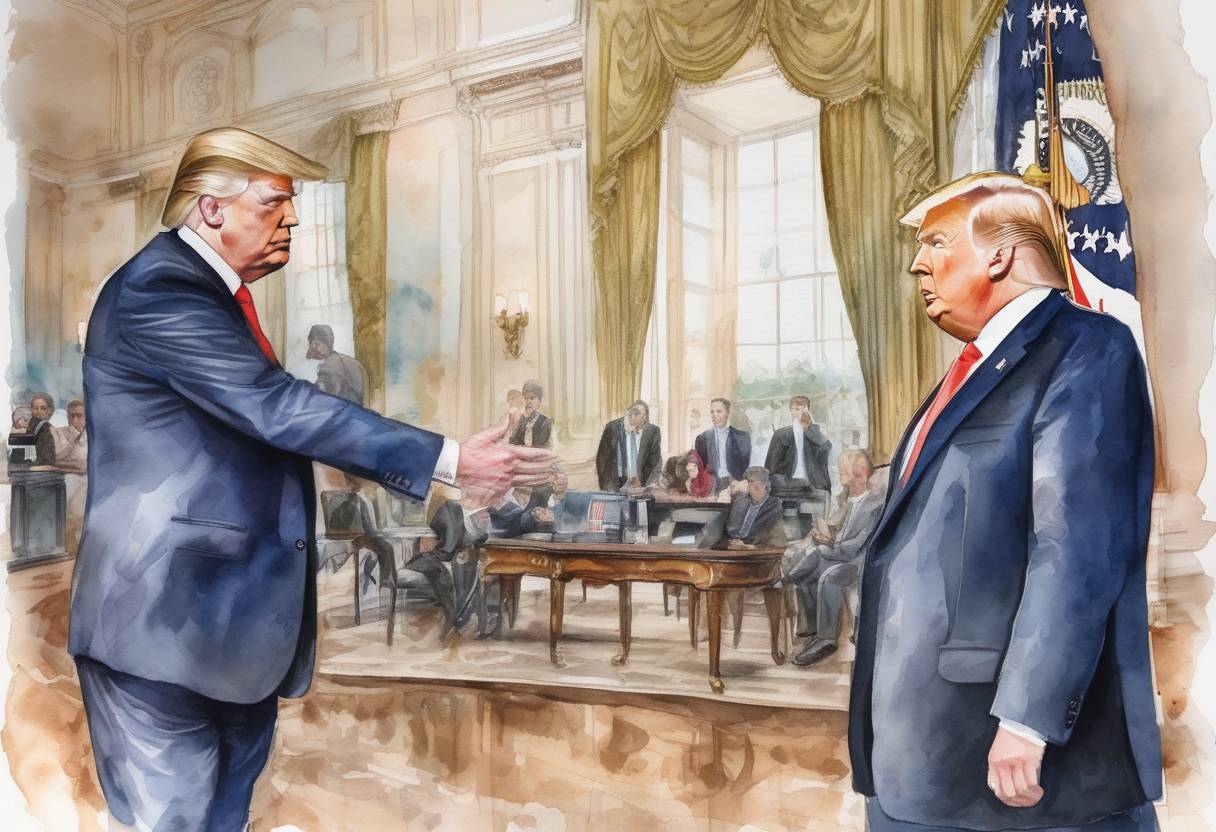
On June 1, 2017, U.S. President Donald Trump announced that the United States would withdraw from the Paris Agreement, a landmark international accord aimed at combating climate change and its impacts. This decision marked a significant shift in U.S. environmental policy and had substantial implications both domestically and internationally.
The Paris Agreement, adopted in December 2015, is a global pact within the United Nations Framework Convention on Climate Change (UNFCCC). It aims to limit global warming to well below 2 degrees Celsius above pre-industrial levels, with efforts to limit the temperature increase to 1.5 degrees Celsius. The agreement was signed by 195 countries and came into force on November 4, 2016. The U.S., under President Barack Obama, played a crucial role in negotiating the agreement and committed to reducing greenhouse gas emissions by 26-28% below 2005 levels by 2025.
Rationale: President Trump cited economic concerns as the primary reason for the withdrawal, arguing that the agreement imposed unfair environmental standards on American businesses and workers. He claimed it would undermine the U.S. economy, cost jobs, and put the country at a disadvantage compared to other nations.
America First Policy: The decision was framed within the broader context of Trump’s “America First” policy, emphasizing national sovereignty and prioritizing American interests over international commitments.
Re-negotiation: Trump expressed willingness to renegotiate the terms of the agreement or enter into a new accord that he believed would be more favorable to the United States.
Domestic Response: The announcement was met with mixed reactions within the United States. Environmental groups and many political leaders criticized the decision, warning of its potential negative impact on global climate efforts. Conversely, some industry groups and political figures supported the move, aligning with Trump’s economic arguments.
International Response: Globally, the decision was largely met with disappointment and concern. Leaders from countries such as France, Germany, and Italy reaffirmed their commitment to the Paris Agreement and stated that the accord was non-negotiable. The withdrawal was seen as a setback to international climate change mitigation efforts.
Environmental Impact: The U.S. withdrawal raised concerns about the potential weakening of global efforts to combat climate change, given the country’s significant contribution to global greenhouse gas emissions.
Political and Diplomatic Implications: The decision strained relations with key allies and affected the U.S.’s standing in international climate diplomacy.
Rejoining the Agreement: On January 20, 2021, President Joe Biden signed an executive order to rejoin the Paris Agreement, signaling a renewed commitment to addressing climate change and restoring the U.S.’s role in global environmental leadership.
The withdrawal from the Paris Agreement on June 1, 2017, was a pivotal moment in U.S. environmental policy, reflecting broader debates about climate change, economic priorities, and international cooperation.
Source: www.nytimes.com