September 19, 1957

The first underground nuclear test, code-named 'Rainier', is conducted at the Nevada Test Site in the United States.


Nevada, United States | United States Atomic Energy Commission
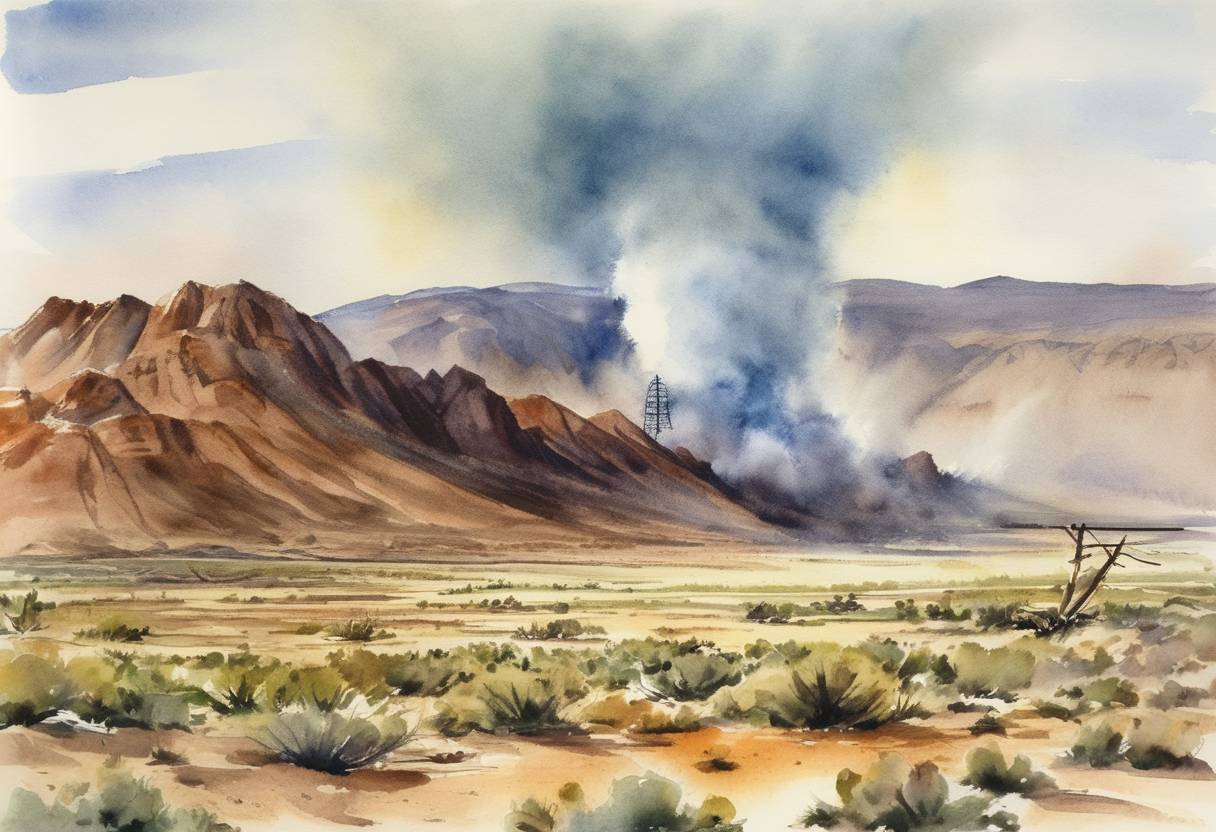
Watercolor painting based depiction of The first underground nuclear test, code-named 'Rainier', is conducted at the Nevada Test Site in the United States. (1957)

Underground Nuclear Test ‘Rainier’

On September 19, 1957, the United States conducted its first underground nuclear test, code-named “Rainier”, at the Nevada Test Site. This marked a significant evolution in nuclear testing strategies, aimed at reducing atmospheric fallout and enhancing strategic capabilities.

Background

Prior to Rainier, nuclear tests were primarily conducted above ground, which resulted in significant radioactive fallout that raised public health concerns and environmental issues. Researchers and policymakers were increasingly motivated to find safer methods of conducting nuclear tests to address these issues.

The Rainier Test

  • Location: Nevada Test Site, an area specifically designated for nuclear testing located about 65 miles northwest of Las Vegas, Nevada.
  • Operation Plumbbob: Rainier was part of ‘Operation Plumbbob’, one of the largest series of nuclear tests conducted in the United States, spanning from May 28 to October 7, 1957.
  • Device: The test involved a 1.7-kiloton nuclear device.
  • Depth: The device was detonated approximately 900 feet below the surface of the desert, inside a horizontal tunnel to minimize the release of radioactive particles.
  • Objective: The primary goal was to assess the feasibility of underground testing for reducing atmospheric contamination and gathering scientific data on underground detonations.

Significance and Impact

  • Innovation: The success of the Rainier test demonstrated that underground nuclear tests were viable and practical. This approach minimized radioactive exposure to the general public and environment, setting a precedent for future nuclear testing.
  • Policy Influence: Rainier influenced subsequent nuclear policy, leading to increased emphasis on underground testing and later contributing to the Partial Test Ban Treaty of 1963, which prohibited nuclear tests in the atmosphere, outer space, and underwater but allowed underground tests.
  • Scientific Data: Provided valuable data on shock waves and seismic activity resulting from underground explosions, contributing to advancements in seismic monitoring and measurement techniques.

Aftermath

Following the Rainier test, a substantial number of nuclear tests were conducted underground, marking a shift in nuclear testing protocols. This change reflected growing environmental awareness and political pressure to mitigate the hazards associated with atmospheric nuclear testing. The framework established during this period played a crucial role in shaping the nuclear non-proliferation and disarmament initiatives in subsequent decades.