Abdication of Tsar Nicholas II: The End of the Romanov Dynasty
1917 · Pskov, Russia
Tsar Nicholas II of Russia abdicated the throne, marking the end of the Romanov dynasty.
December 23, 1387
After a protracted conflict over leadership, Pskov (a historic city in Russia near the Estonian border) struck a deal to place itself under the protection of Grand Duke Vytautas of Lithuania. This move came amid a tumultuous period of feudal fragmentation and competition for influence in Eastern Europe.
Pskov, Russia | Grand Duchy of Lithuania
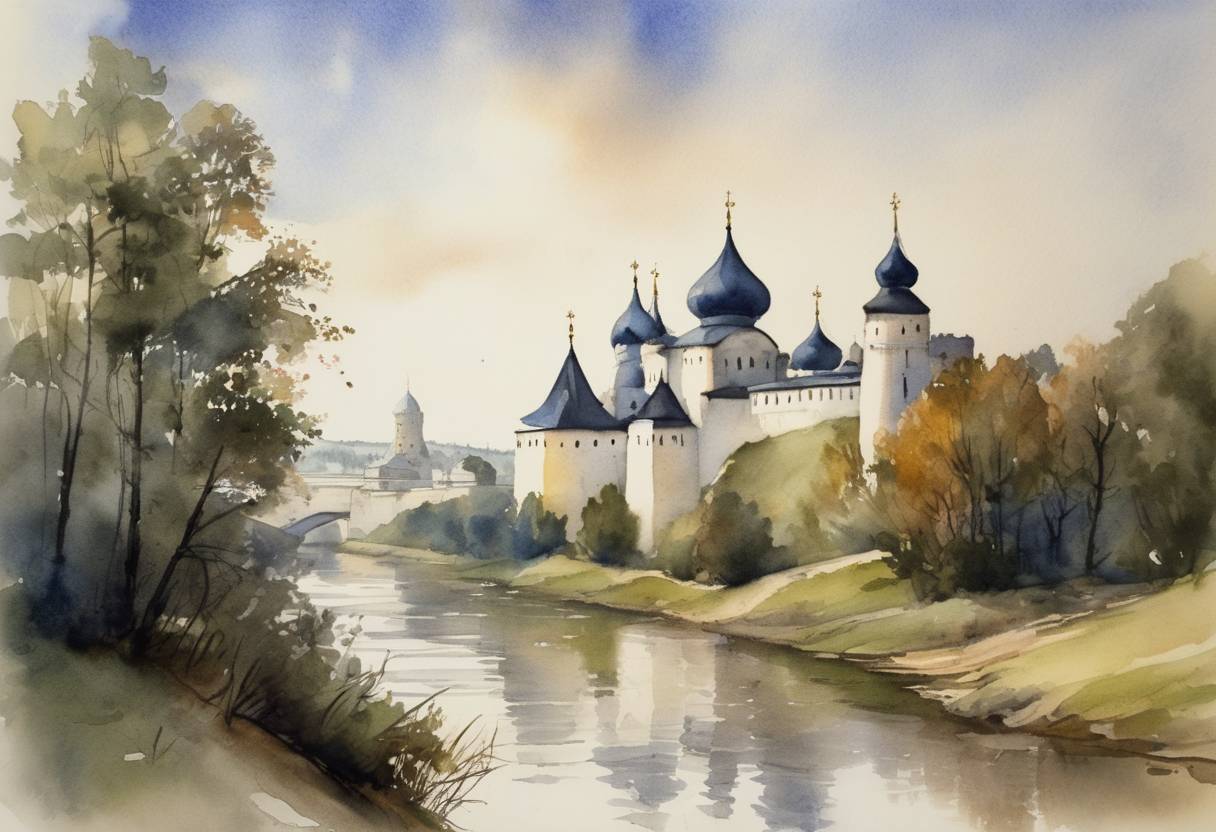
In the late 14th century, the geopolitical landscape of Eastern Europe was characterized by a high degree of fragmentation and intense rivalries among emerging powers. This period witnessed the decline of the Kievan Rus and the rise of new political entities, notably Lithuania and Moscow, vying for influence and control.
Pskov, a prominent city-state near the Estonian border, was an influential center in northwestern Russia due to its strategic location and thriving trade. However, internal disputes and external pressures often destabilized its governance. The power vacuum created by the weakening of Kievan Rus led to frequent struggles between regional powers to assert dominance over Pskov.
On December 23, 1387, amidst this backdrop of political turbulence, Pskov entered into an agreement with Grand Duke Vytautas of Lithuania. This decision marked a significant turn in Pskov’s strategy to safeguard its autonomy and interests against external threats, particularly from the rising power of Moscow.
Pskov’s alignment with Vytautas was motivated by several factors:
The pact with Vytautas temporarily strengthened Pskov’s position, but it also drew the city into the broader contests between Lithuania and Moscow for regional hegemony. This strategic move had long-lasting repercussions, influencing Pskov’s political affiliations and contributing to the region’s complex feudal dynamics.
Pskov’s appeal to Vytautas highlights the fluid alliances and shifting power dynamics common in Eastern Europe during the Middle Ages. This event underscores the importance of regional diplomacy and the persistent influence of Lithuanian authority during this era. Over time, such alliances and territorial negotiations would shape the mosaic of the region’s political landscape, setting the stage for the eventual rise of more centralized states.
Source: www.britannica.com