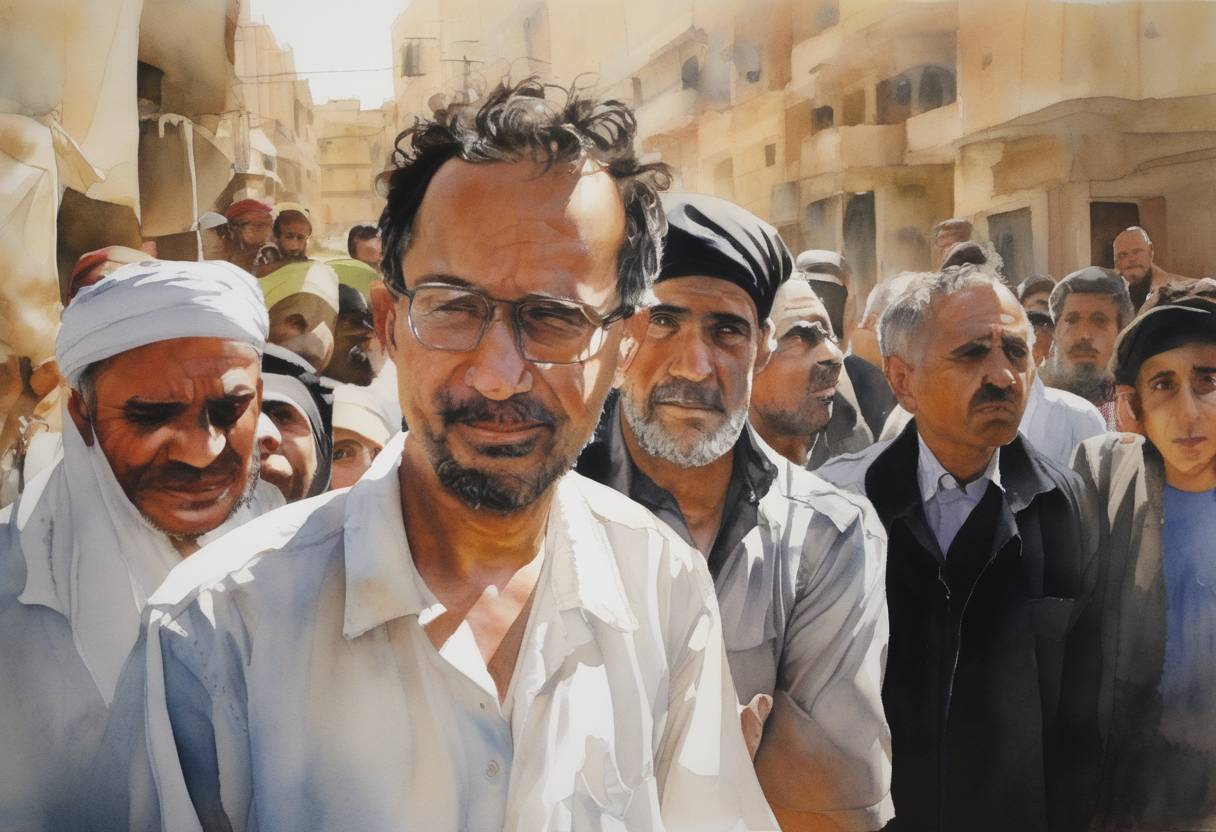
Release of Six Foreign Medics in Libya - July 24, 2007
On July 24, 2007, six foreign medical workers—five Bulgarian nurses and a Palestinian doctor—were released from prison in Libya after being convicted of intentionally infecting over 400 children with HIV at a hospital in Benghazi. This case was highly controversial and garnered international attention, leading to significant diplomatic efforts to secure their release.
Background
In 1999, the medical workers were arrested and accused of deliberately causing an HIV outbreak at the al-Fateh Children’s Hospital in Benghazi. The prosecution alleged that these acts were part of a conspiracy, leading to immense international scrutiny.
The nurses and doctor consistently maintained their innocence, with numerous medical experts, including those from the World Health Organization, later suggesting that the spread of HIV predated the medics’ arrival in Libya. These experts argued that poor hygiene at the facility was likely the cause of the outbreak.
Diplomatic Negotiations
Following years of legal proceedings and subsequent death sentences for the medics, the case became a focal point in Libya’s relations with Western countries. Several European Union states and the United States were involved in negotiations, seeking a resolution that respected both Libyan sovereignty and humanitarian concerns.
The breakthrough involved a combination of legal discussions and diplomatic agreements. Key elements included:
- Medical Findings: Independent scientific findings were leveraged to question the basis of the original convictions.
- Financial Settlement: An agreement was reached whereby the families of affected children received financial compensation—reportedly facilitated by a combination of Libyan and international funds.
- Diplomatic Engagement: High-level negotiations involved figures such as the European Union’s External Relations Commissioner, Benita Ferrero-Waldner, and French President Nicolas Sarkozy.
Release and Aftermath
On July 24, the medical workers were extradited to Bulgaria, with the assistance of the EU, and upon arrival, they were pardoned by Bulgarian President Georgi Parvanov. The release was a significant diplomatic success and marked a thaw in Libya’s relations with the West.
The case remained a potent symbol of the complexities involved in international legal and diplomatic interactions and highlighted the potential for human rights concerns where judicial systems and geopolitical interests intersect.
Historical Significance
This incident is emblematic of the challenges faced by medical professionals in conflict zones and politically sensitive areas. It underscores the critical need for rigorous legal standards in trials involving international personnel and highlights the power of diplomacy and international collaboration in resolving complex legal disputes.