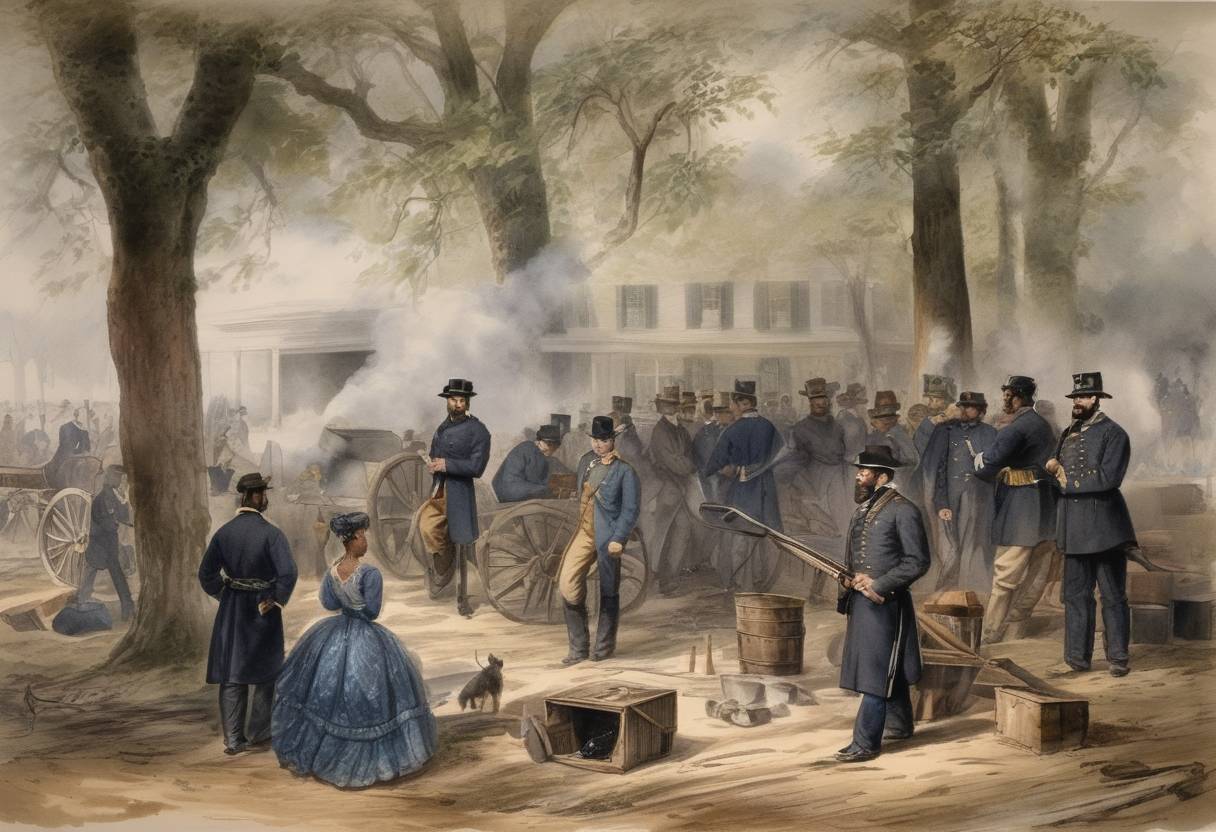
Special Field Order No. 15
Date: January 16, 1865
Issued by: Union General William T. Sherman
Context:
During the American Civil War, the Union Army, led by General William T. Sherman, had conducted a campaign known as “Sherman’s March to the Sea.” This military advancement devastated infrastructure across Georgia and aimed to debilitate the Confederate war effort. Beyond the military objectives, the aftermath presented a humanitarian crisis, as many newly freed African American slaves, known as Freedmen, faced severe challenges.
Field Order Overview:
Special Field Order No. 15 was issued by General Sherman following a meeting in Savannah, Georgia, with Secretary of War Edwin M. Stanton and twenty African American leaders. The order aimed to address the immediate needs of the large populations of freed slaves displaced by the Union victories.
Key Provisions:
Land Allocation:
- Allocated approximately 400,000 acres of confiscated coastal land from Charleston, South Carolina, to the St. Johns River in Florida.
- Divided the land into parcels not exceeding 40 acres.
Exclusive Settlement:
- Designated these lands specifically for black families.
- Provided the opportunity for former slaves to gain economic independence through agriculture.
Military Order:
- Authorized the establishment of a military presence to protect these settlements.
Significance and Aftermath:
Impact:
The order symbolized a significant effort to address racial inequities and reparative justice through tangible resources, albeit temporarily.
Reversal:
In the fall of 1865, President Andrew Johnson overturned Sherman’s order. The lands were returned to their previous white proprietors or sold, negating the order’s reparative measures.
Legacy:
The concept behind Sherman’s order sowed the seeds for the “40 acres and a mule” policy, which became a lasting symbol in the movement for African American civil rights and reparations.
Special Field Order No. 15 remains a historical touchstone in the complex narrative of Reconstruction and land redistribution efforts in post-Civil War America.