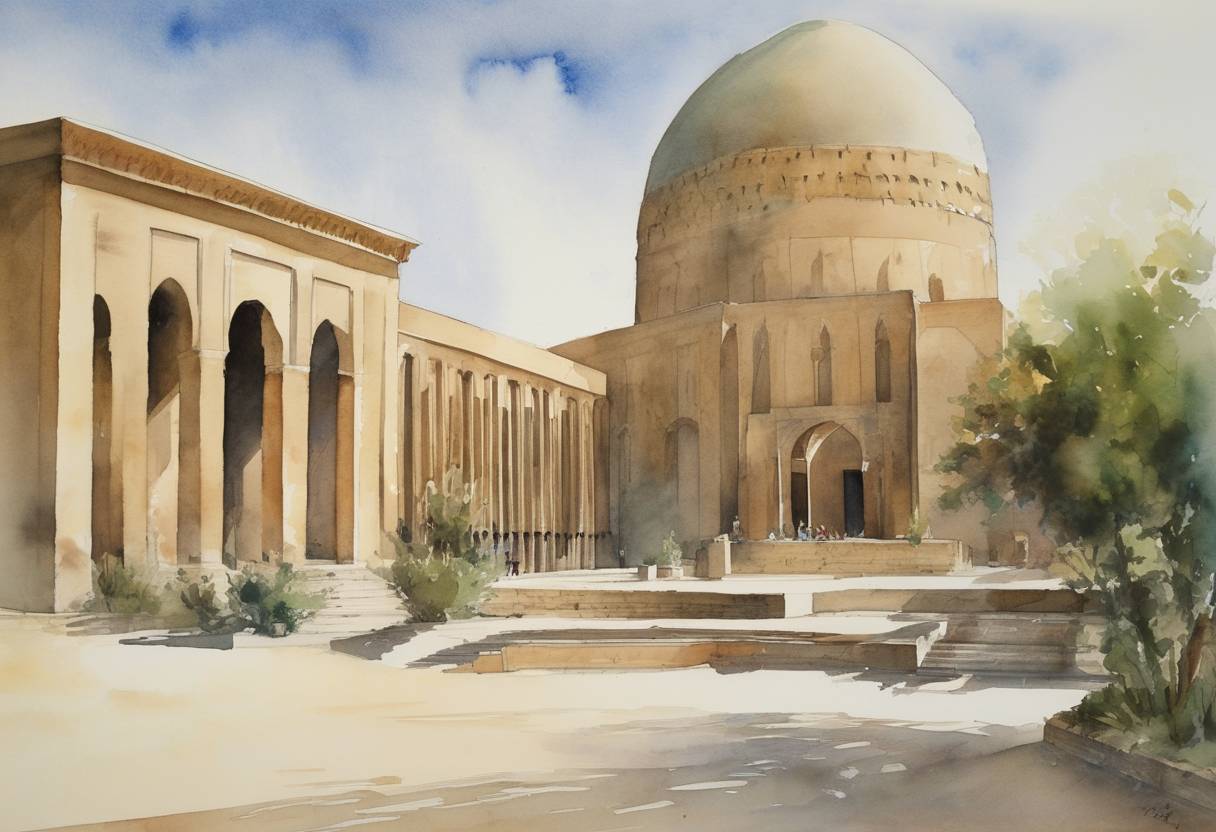
Reopening of the National Museum of Iraq on October 5, 2012
The reopening of the National Museum of Iraq in Baghdad on October 5, 2012, marked a significant moment of cultural restoration in the history of Iraq. This event was a pivotal step in the country’s efforts to reclaim its rich cultural heritage amidst the lasting effects of the conflict following the U.S.-led invasion of 2003.
Background
The National Museum of Iraq was established in 1926 and is renowned for its extensive collection of artifacts from ancient Mesopotamia, including the Babylonian, Assyrian, and Sumerian civilizations. However, during the chaos that ensued after the 2003 invasion, the museum suffered extensive looting. Thousands of precious artifacts were stolen or damaged, causing international outrage and concern over the loss of invaluable cultural heritage.
The Reopening
After nearly a decade of recovery efforts, the partial reopening of the museum in 2012 was both a symbolic and tangible move towards cultural revival. It represented resilience against the loss and destruction experienced during the invasion and subsequent instability. The museum’s doors were once again opened to the public, showcasing restored galleries and partially recovered artifacts. This act signified a rebirth of national pride and an effort to preserve and protect Iraq’s historical narrative for future generations.
Key Highlights
- Artifacts Displayed: The reopening featured a selection of artifacts that had been recovered and restored, providing visitors with insights into Iraq’s ancient history.
- International Efforts: The reopening was supported by both local and international organizations, underscoring a global commitment to recovering and preserving Iraq’s cultural treasures.
- Educational Impact: The museum’s reopening served as an educational conduit for both Iraqis and visitors from around the world, highlighting the need for cultural preservation amidst turmoil.
Broader Significance
This cultural milestone was not just about preserving history but also about healing and uniting a nation through a shared understanding of its past. It was a clear acknowledgment that while wars and conflicts may disrupt, the cultural and historical legacy endures and continues to be a source of identity and pride.
Future Outlook
While the reopening in 2012 was significant, continued efforts and increased security measures have been essential to protect the museum and its contents. The event also highlighted the necessity for ongoing international cooperation to prevent illicit trafficking of artifacts and reinforce the security of cultural heritage sites globally.
The reopening of the National Museum of Iraq thus remains a testament to resilience and the enduring importance of safeguarding cultural heritage for future generations amidst ongoing geopolitical challenges.