Sesame Street Premiere: November 10, 1969
On November 10, 1969, Sesame Street premiered on the National Educational Television (NET) network in the United States, marking the beginning of a revolutionary approach to children’s television. Created by Joan Ganz Cooney and Lloyd Morrisett, and produced by the Children’s Television Workshop (now Sesame Workshop), the show aimed to use the medium of television to educate young children, particularly those from disadvantaged backgrounds.
Background and Development
The concept for Sesame Street emerged from a 1966 dinner party conversation between Cooney, a television producer, and Morrisett, a psychologist and vice president of the Carnegie Corporation. They discussed the potential of television as an educational tool for preschool children. This led to a Carnegie Corporation-funded study by Cooney, which resulted in the proposal for a children’s television program that combined education and entertainment.
The show’s creators enlisted the help of educators, child psychologists, and artists to develop content that would engage children while teaching them basic academic and social skills. The innovative format included a mix of live-action, puppetry, and animation, with a strong emphasis on diversity and inclusivity.
Key Features and Characters
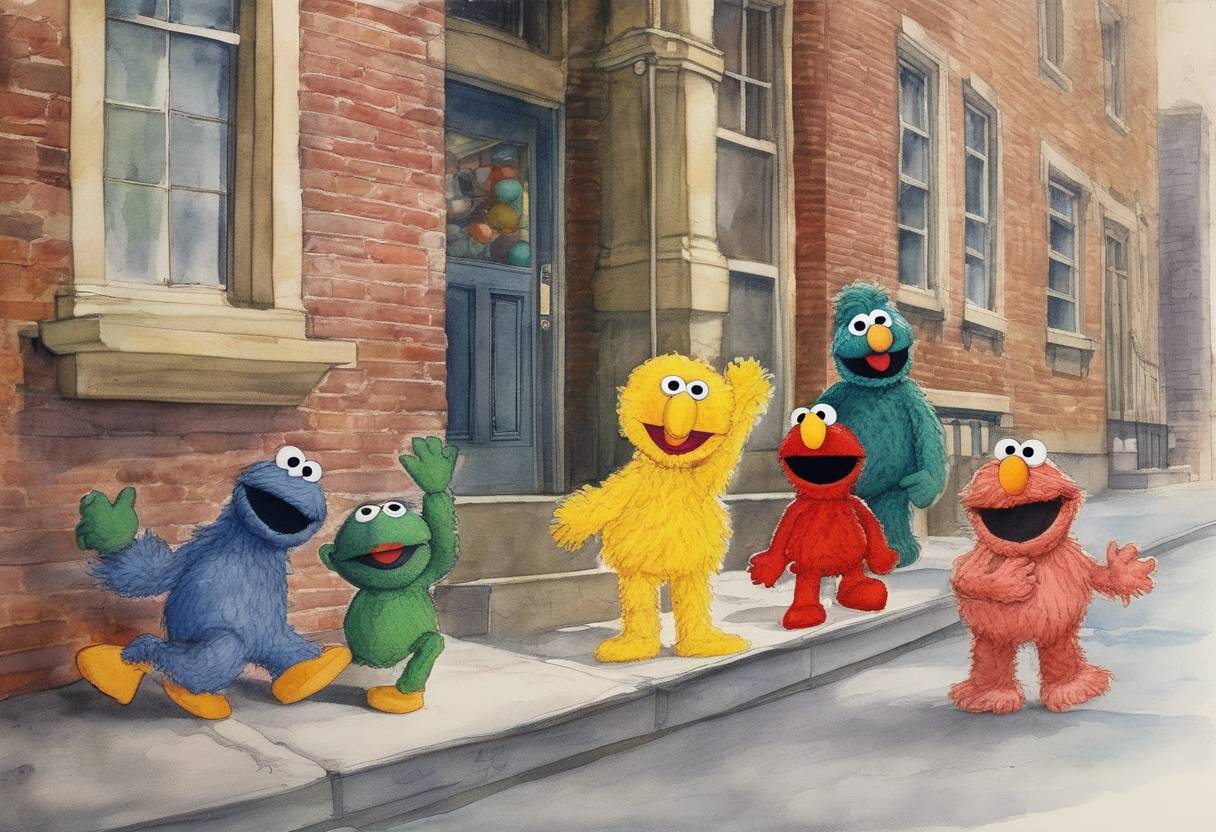
Sesame Street introduced a cast of memorable characters, many of whom became cultural icons. Jim Henson’s Muppets, including Big Bird, Oscar the Grouch, Cookie Monster, and Bert and Ernie, played a central role in the show’s success. These characters, along with human cast members, interacted in a fictional urban neighborhood setting, reflecting the diverse society the show aimed to represent.
The program’s educational content was carefully crafted to address literacy, numeracy, and social skills. It used short, engaging segments to hold the attention of young viewers, incorporating songs, humor, and repetition to reinforce learning.
Cultural and Educational Impact
Sesame Street quickly became a significant cultural and educational influence, praised for its innovative approach to children’s programming. It broke new ground by addressing complex social issues such as race, disability, and family dynamics, often introducing these topics through its diverse cast and storylines.
The show’s impact extended beyond the United States, with international versions adapted to reflect local cultures and languages. Its success demonstrated the potential of television as an educational tool, influencing the development of future educational programs.
Legacy
Over the decades, Sesame Street has received numerous awards, including multiple Emmy and Peabody Awards, and has been recognized for its contributions to children’s education and media. Its legacy continues as it adapts to new generations, maintaining its commitment to educational excellence and social relevance.
The premiere of Sesame Street on November 10, 1969, marked a pivotal moment in television history, setting a standard for educational programming and leaving an indelible mark on popular culture worldwide.