Yemen Declares Open War on Al-Qaeda: January 14, 2010
2010 · Sana'a, Yemen
Yemen declares an open war on al-Qaeda, following a series of attacks and increased international pressure.
January 22, 2015
Yemen's President Abdrabbuh Mansur Hadi resigned after Houthi rebels took control of the presidential palace.
Sana'a, Yemen | Government of Yemen
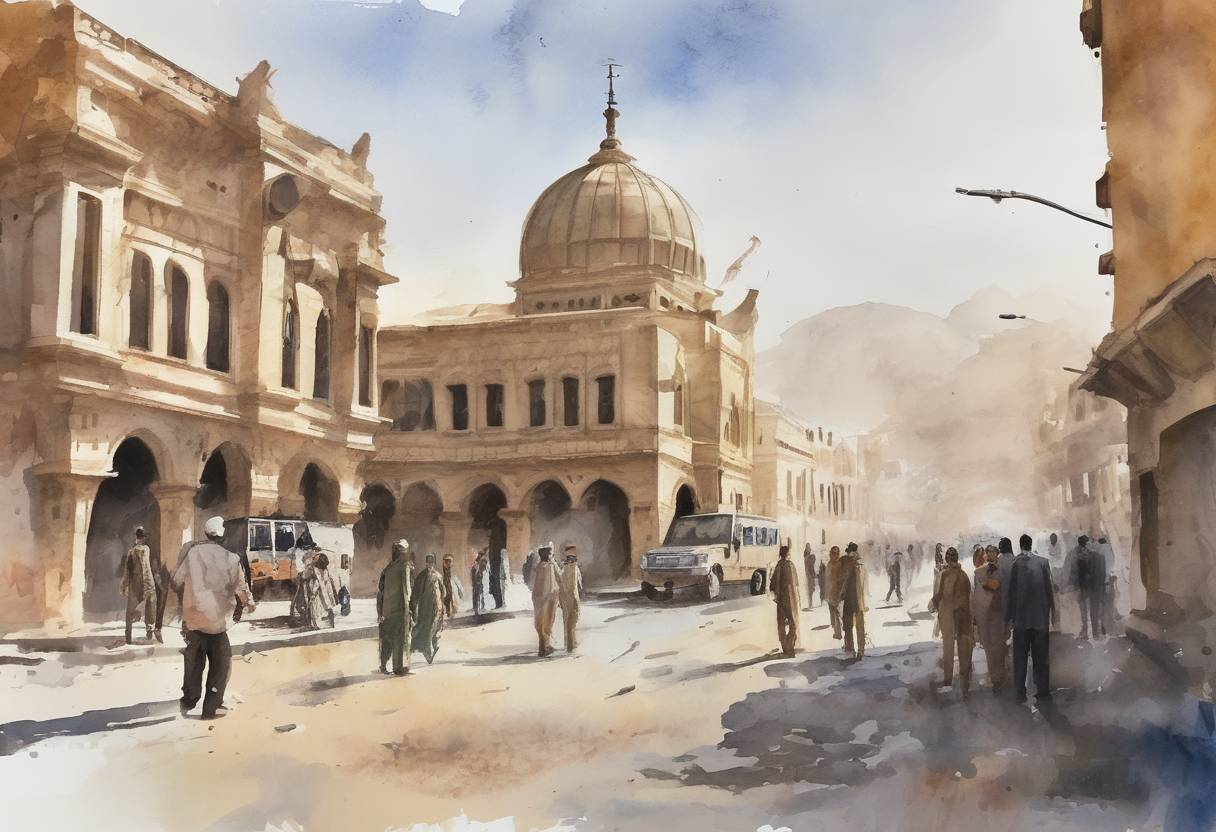
On January 22, 2015, Yemen’s President Abdrabbuh Mansur Hadi resigned from his position following a significant escalation in the country’s political crisis. This event marked a pivotal moment in Yemen’s ongoing conflict, which has had profound implications for the region and beyond.
Houthi Movement: The Houthi movement, officially known as Ansar Allah, is a Zaidi Shia-led group originating from northern Yemen. The group has been involved in conflicts with the Yemeni government since the early 2000s, primarily due to political, economic, and religious grievances.
Political Instability: Yemen has experienced chronic instability, exacerbated by the Arab Spring in 2011, which led to the ousting of long-time President Ali Abdullah Saleh. Abdrabbuh Mansur Hadi, who was Saleh’s vice president, assumed the presidency in 2012 following a Gulf Cooperation Council (GCC)-brokered transition plan.
Houthi Advance: In September 2014, Houthi forces captured the capital, Sanaa, significantly increasing their influence in the country. Despite a UN-brokered peace deal, tensions remained high.
Presidential Palace Siege: In January 2015, Houthi rebels intensified their campaign, seizing control of the presidential palace in Sanaa. This move effectively placed President Hadi under house arrest and demonstrated the Houthis’ dominance in the capital.
Government Collapse: Amidst the escalating pressure and inability to govern effectively, President Hadi and his cabinet resigned on January 22, 2015. This resignation left a power vacuum and further destabilized the nation.
Houthi Control: Following Hadi’s resignation, the Houthis declared themselves in control of the government, although their authority was not universally recognized.
Civil War: The power vacuum and Houthi takeover led to the outbreak of a full-scale civil war. In March 2015, a Saudi-led coalition intervened militarily, supporting Hadi’s government and opposing the Houthi forces.
Humanitarian Crisis: The conflict has resulted in one of the world’s worst humanitarian crises, with widespread famine, disease, and displacement affecting millions of Yemenis.
International Implications: The war in Yemen has drawn in regional powers and has been seen as a proxy conflict between Saudi Arabia and Iran, further complicating Middle Eastern geopolitics.
The resignation of President Hadi and the subsequent conflict have underscored the fragility of Yemen’s political landscape and the deep-seated divisions within the country. The ongoing war has highlighted the challenges of governance in a nation marked by tribal, sectarian, and regional differences, and it continues to have significant implications for regional stability and international security.
Source: www.bbc.com