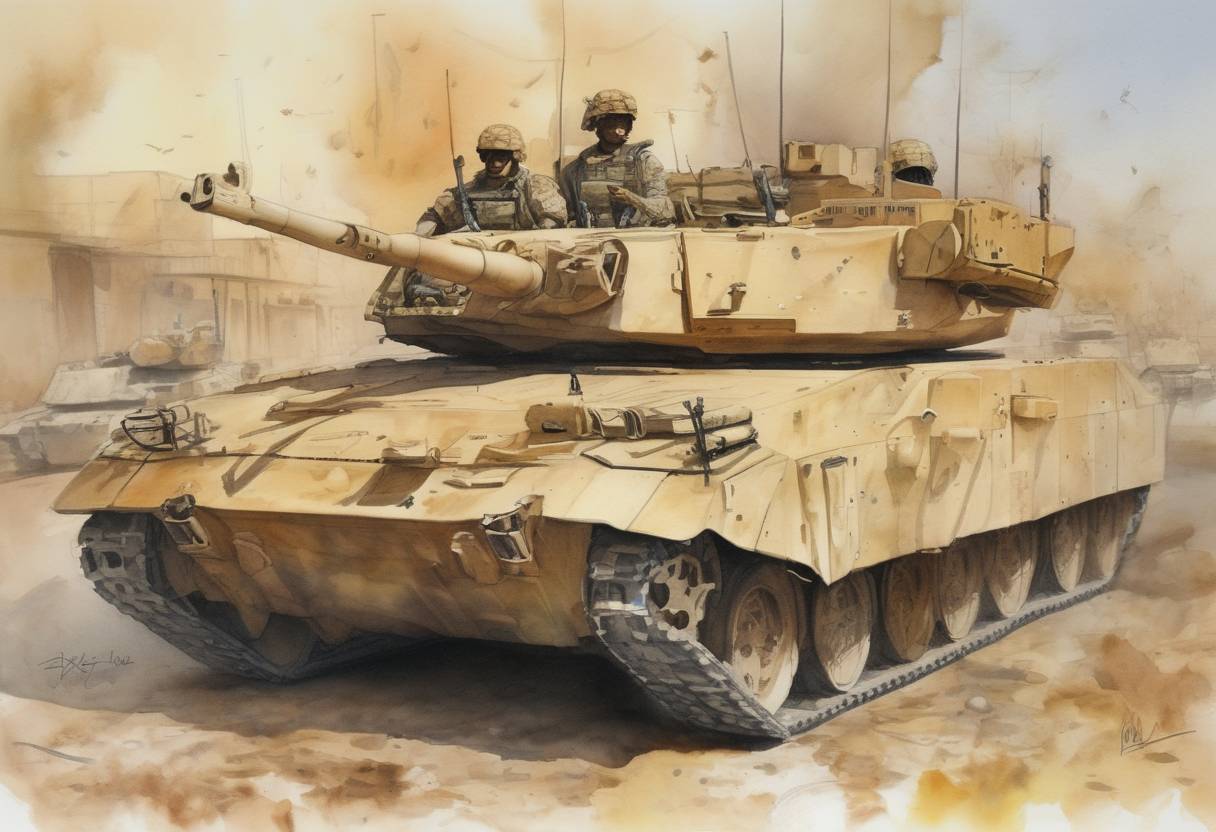
Withdrawal of the Last American Combat Brigade from Iraq
On August 24, 2010, the last American combat brigade withdrew from Iraq, marking a significant milestone in the U.S. military’s involvement in the country. This event signaled the end of Operation Iraqi Freedom and the transition to Operation New Dawn, reflecting a shift in the U.S. mission from combat operations to stability and support roles.
Context and Background
Operation Iraqi Freedom: Initiated in March 2003, Operation Iraqi Freedom aimed to dismantle the regime of Saddam Hussein, eliminate Iraq’s alleged weapons of mass destruction, and establish a democratic government. The operation led to the toppling of Hussein’s government but was followed by years of insurgency and sectarian violence.
U.S. Military Presence: At its peak, the U.S. had over 170,000 troops in Iraq. The prolonged conflict resulted in significant casualties and financial costs, prompting debates over the U.S. role and strategy in Iraq.
Key Events Leading to the Withdrawal
Security Agreement: In 2008, the U.S. and Iraq signed a Status of Forces Agreement (SOFA), which outlined the withdrawal of U.S. forces by the end of 2011. This agreement was pivotal in setting the timeline for the drawdown of American troops.
Reduction of Violence: By 2010, violence in Iraq had decreased significantly compared to the peak years of the insurgency. This reduction allowed for a more stable environment conducive to the withdrawal of combat forces.
Political Developments: Iraq held parliamentary elections in March 2010, which, despite political deadlock, demonstrated progress towards self-governance and political stability.
Transition to Operation New Dawn
Operation New Dawn: Officially beginning on September 1, 2010, Operation New Dawn marked the transition from combat operations to an advisory and assistance role. The focus shifted to supporting Iraqi security forces, aiding in reconstruction efforts, and fostering political reconciliation.
Remaining Troops: Approximately 50,000 U.S. troops remained in Iraq under Operation New Dawn, tasked with training and advising Iraqi forces, protecting U.S. personnel and facilities, and conducting counterterrorism operations.
Aftermath and Consequences
Iraqi Security Forces: The withdrawal placed increased responsibility on Iraqi security forces to maintain stability and security. While they made significant strides, challenges remained, including dealing with insurgent groups and political instability.
U.S.-Iraq Relations: The transition marked a new phase in U.S.-Iraq relations, focusing on diplomatic and economic partnerships rather than military intervention.
Legacy of the War: The withdrawal highlighted ongoing debates about the legacy of the Iraq War, including its impact on regional stability, U.S. foreign policy, and the lives of millions of Iraqis and Americans affected by the conflict.
The withdrawal of the last American combat brigade from Iraq on August 24, 2010, was a pivotal moment in the U.S. military’s engagement in the Middle East, marking the end of a controversial chapter and the beginning of a new phase in U.S.-Iraq relations.