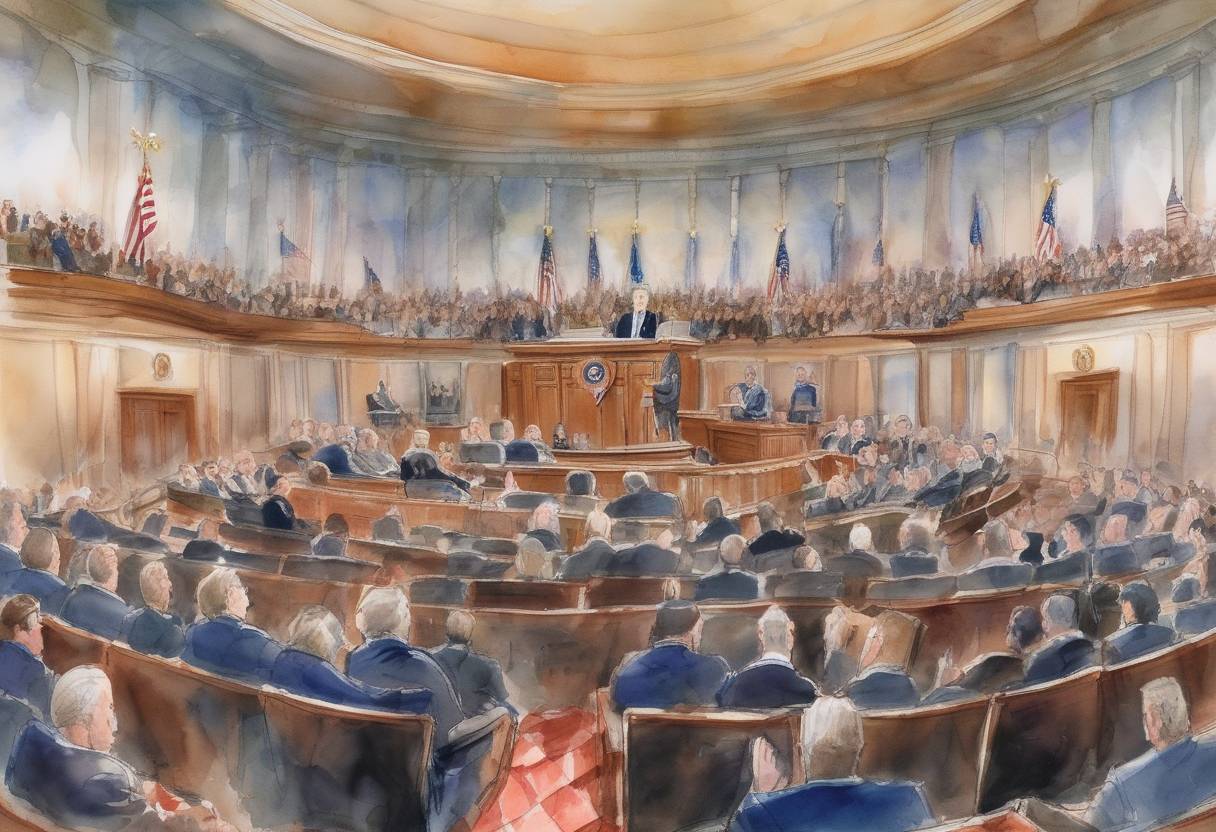
Impeachment of President Bill Clinton
On December 19, 1998, the United States House of Representatives impeached President Bill Clinton, marking a significant moment in American political history. This event was the culmination of a series of investigations and political maneuvers that had gripped the nation.
Background
The impeachment proceedings against President Clinton were primarily rooted in his extramarital affair with Monica Lewinsky, a White House intern. The affair came to light during a broader investigation led by Independent Counsel Kenneth Starr, initially tasked with investigating the Whitewater real estate investments of the Clintons.
Key Events Leading Up to Impeachment
The Lewinsky Scandal: In January 1998, news broke of President Clinton’s affair with Monica Lewinsky. Clinton initially denied the allegations under oath.
The Starr Report: Kenneth Starr expanded his investigation to include the Lewinsky affair, ultimately submitting a report to Congress in September 1998. The report detailed evidence of perjury and obstruction of justice by Clinton.
House Judiciary Committee: Following the Starr Report, the House Judiciary Committee conducted hearings to determine whether there were grounds for impeachment.
Articles of Impeachment
On December 19, 1998, the House of Representatives approved two articles of impeachment against President Clinton:
- Perjury: Accusing Clinton of lying under oath to a federal grand jury regarding his relationship with Lewinsky.
- Obstruction of Justice: Alleging that Clinton had obstructed justice in the investigation of his affair.
The House voted largely along party lines, with the Republican majority supporting the impeachment.
Aftermath and Significance
Senate Trial: The impeachment led to a trial in the Senate, which began in January 1999. To remove a president from office, a two-thirds majority in the Senate is required. On February 12, 1999, the Senate acquitted Clinton on both charges, with neither article receiving the necessary votes for conviction.
Political Impact: The impeachment proceedings were highly divisive, reflecting deep partisan divides. Clinton’s approval ratings remained relatively high throughout the process, and the Democrats gained seats in the 1998 midterm elections, contrary to historical trends.
Historical Context: Clinton was the second U.S. president to be impeached, following Andrew Johnson in 1868. The event highlighted the complexities of the impeachment process and its implications for the balance of power between the legislative and executive branches.
The impeachment of President Bill Clinton remains a pivotal chapter in American political history, illustrating the intersection of personal misconduct and political accountability.