The Gdańsk Shipyard Strike and the Birth of Solidarity
1980 · Gdańsk, Poland
Lech Wałęsa led a strike at the Lenin Shipyard in Gdańsk, Poland, which eventually led to the formation of the Solidarity movement.
August 19, 1980
The Polish government agrees to meet with striking workers at the Gdańsk Shipyard, leading to the formation of the Solidarity movement.
Gdańsk, Poland | Solidarity
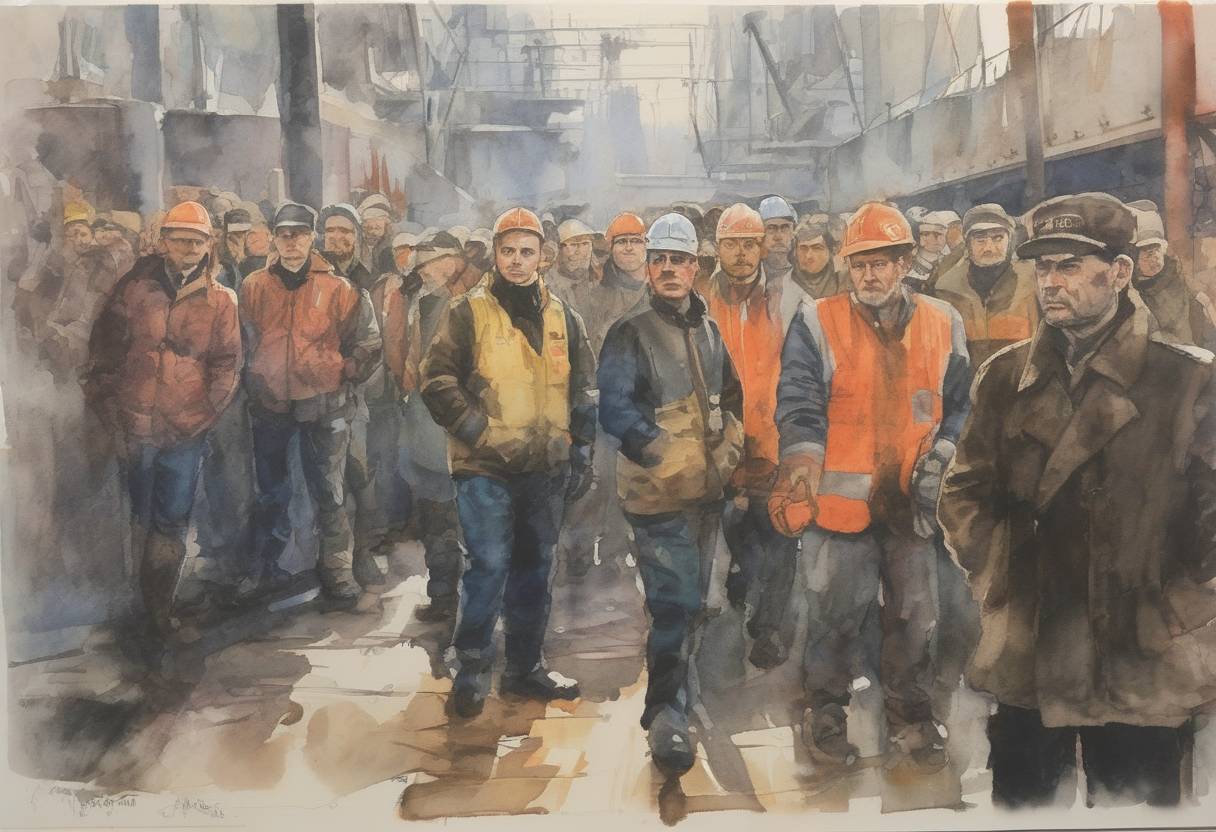
On August 19, 1980, a pivotal moment in Polish and world history unfolded as the Polish government agreed to meet with striking workers at the Gdańsk Shipyard. This event marked a significant step towards the formation of the Solidarity movement, which would play a crucial role in the eventual fall of communism in Eastern Europe.
The late 1970s and early 1980s were a period of economic hardship and political unrest in Poland. The country was under communist rule, and the government, led by the Polish United Workers’ Party, faced increasing dissatisfaction from the populace due to economic mismanagement, food shortages, and a lack of political freedoms.
In July 1980, the government announced a series of price hikes on essential goods, which sparked widespread discontent. This unrest culminated in a wave of strikes across the country, with the Gdańsk Shipyard becoming the epicenter of the movement.
August 14, 1980: Workers at the Lenin Shipyard in Gdańsk, led by electrician Lech Wałęsa, initiated a strike demanding better working conditions, the reinstatement of fired workers, and the right to form independent trade unions.
August 16, 1980: The strike committee, under Wałęsa’s leadership, expanded its demands to include broader social and political issues, such as the release of political prisoners and the right to free speech.
August 18, 1980: The strike gained momentum as other shipyards and factories across Poland joined in solidarity, effectively paralyzing the nation’s industrial output.
Faced with mounting pressure, the Polish government agreed to negotiate with the striking workers. This decision was a significant concession, as it acknowledged the legitimacy of the workers’ demands and set the stage for further negotiations.
The negotiations led to the signing of the Gdańsk Agreement on August 31, 1980, which granted workers the right to form independent trade unions and the right to strike. This agreement paved the way for the establishment of “Solidarity” (Solidarność), the first independent labor union in a Soviet-bloc country.
Rise of Solidarity: Under the leadership of Lech Wałęsa, Solidarity quickly grew into a powerful social movement, boasting nearly 10 million members at its peak. It became a symbol of resistance against communist oppression and a catalyst for change across Eastern Europe.
Impact on the Cold War: The success of Solidarity inspired other movements in the Eastern Bloc, contributing to the eventual collapse of communist regimes in the region. It was a significant factor in the broader process of democratization that swept through Eastern Europe in the late 1980s and early 1990s.
Legacy: Solidarity’s influence extended beyond Poland, serving as a testament to the power of peaceful protest and collective action in the face of authoritarianism.
The events of August 19, 1980, and the subsequent rise of Solidarity marked a turning point in the struggle for freedom and democracy in Eastern Europe, leaving a lasting legacy on the global stage.
Source: www.britannica.com