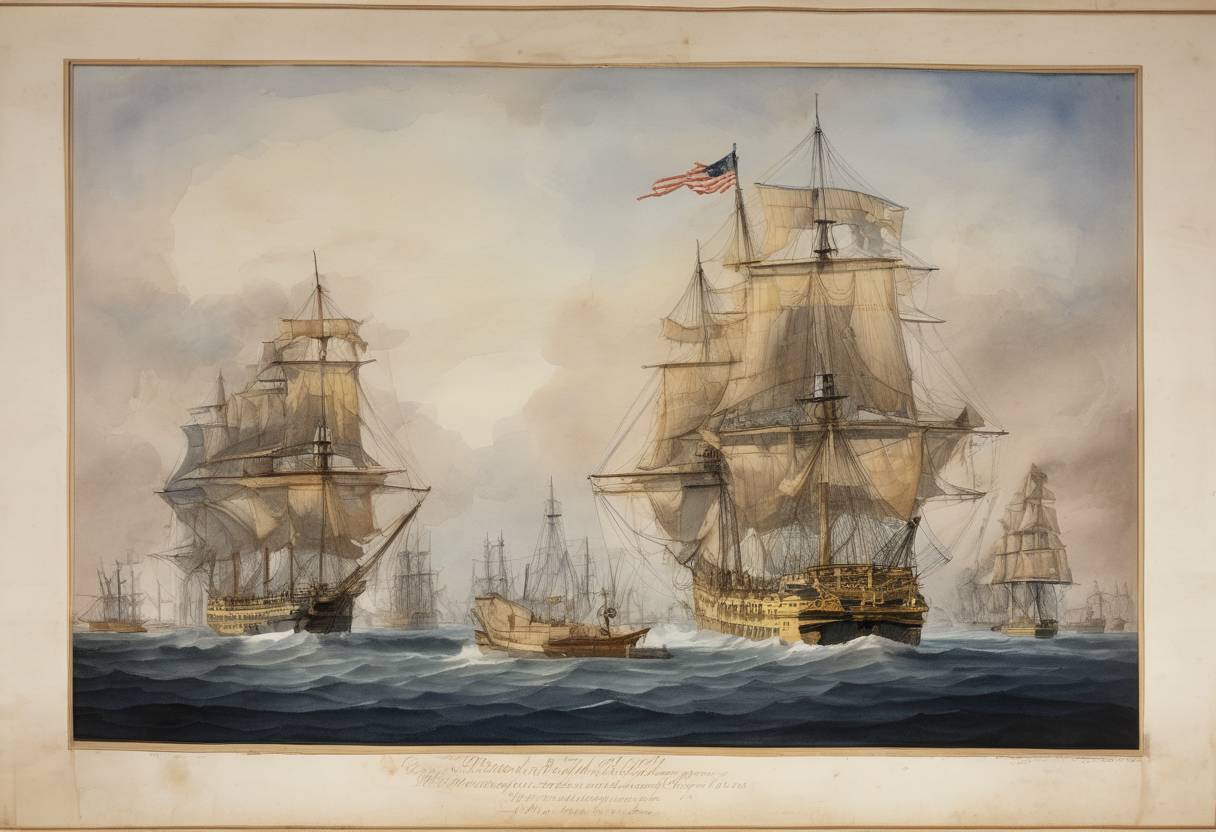
Establishment of the United States Navy: October 13, 1775
On October 13, 1775, the Continental Congress took a significant step in American history by establishing the United States Navy. This decision marked the birth of the U.S. naval forces, a crucial component in the fight for independence from British rule.
Context and Background
The establishment of the Navy occurred during the early stages of the American Revolutionary War, a conflict that began in April 1775. The colonies were in dire need of a naval force to challenge the British Royal Navy, which was the most powerful maritime force in the world at the time. The British blockade of American ports was severely impacting the colonies’ ability to trade and receive supplies.
Key Events Leading to the Establishment
- Continental Congress Deliberations: As the war progressed, the Continental Congress recognized the strategic necessity of having a naval force to protect American interests and disrupt British supply lines.
- Initial Proposal: On October 3, 1775, a proposal was made to equip two ships to intercept British transports carrying munitions and supplies to the British army in America.
- Resolution Passed: On October 13, 1775, the Continental Congress passed a resolution to outfit two armed vessels to cruise in search of munitions ships supplying the British Army in America. This resolution effectively created the Continental Navy.
Significance
- Strategic Advantage: The creation of the Navy provided the Continental forces with a means to challenge British naval supremacy and protect American shipping.
- Symbol of Independence: Establishing a naval force was a bold statement of the colonies’ intent to assert their independence and defend their interests on the high seas.
- Foundation for Future Growth: The Continental Navy laid the groundwork for what would eventually become the United States Navy, a key branch of the U.S. Armed Forces.
- Esek Hopkins: Appointed as the first Commander in Chief of the Continental Navy, Hopkins played a crucial role in the early operations of the naval forces.
- John Adams: A strong advocate for the establishment of the Navy, Adams’ support was instrumental in the passage of the resolution.
Aftermath and Consequences
- Early Naval Engagements: The newly formed Navy engaged in several early battles, including the capture of British supply ships, which provided much-needed resources to the Continental Army.
- Legacy: The establishment of the Navy on October 13, 1775, is celebrated annually as the birthday of the United States Navy, honoring its enduring legacy and contributions to American security and freedom.
The decision by the Continental Congress to establish a naval force was a pivotal moment in American history, reflecting the colonies’ determination to secure their independence and protect their interests on the global stage.