Dedication of the World War II Memorial
2004 · Washington, D.C., United States
The World War II Memorial was dedicated in Washington, D.C., to honor Americans who served in the armed forces and as civilians during World War II.
April 22, 1993
The Holocaust Memorial Museum is dedicated in Washington, D.C., to honor the victims of the Holocaust.
Washington, D.C., United States | United States Holocaust Memorial Museum
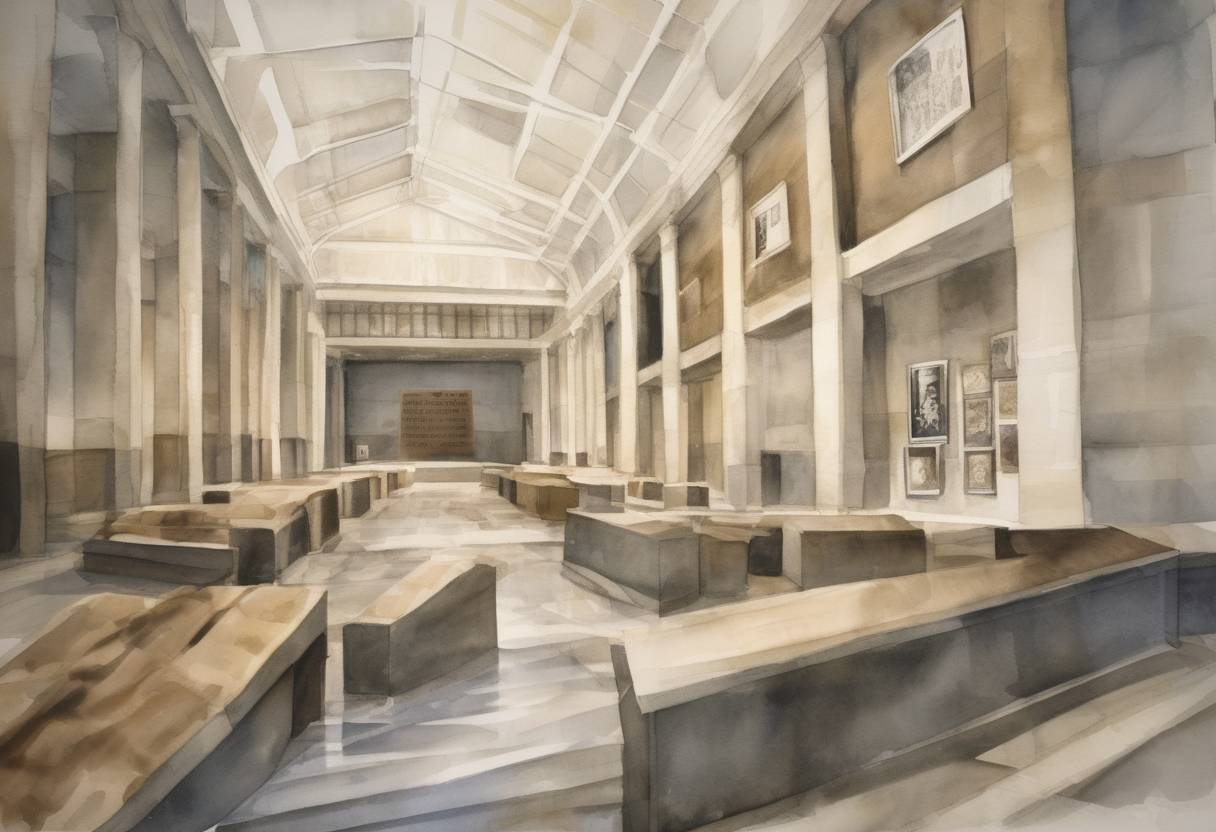
On April 22, 1993, the United States Holocaust Memorial Museum was officially dedicated in Washington, D.C. This significant event marked the culmination of years of planning and effort to create a national institution dedicated to documenting, studying, and commemorating the Holocaust—a systematic, state-sponsored persecution and murder of six million Jews and millions of others by the Nazi regime and its collaborators during World War II.
The idea for a national Holocaust memorial in the United States was first proposed in 1978 by President Jimmy Carter, who established the President’s Commission on the Holocaust. The commission, chaired by Holocaust survivor Elie Wiesel, recommended the creation of a living memorial that would include a museum, an educational foundation, and a Committee on Conscience to address contemporary issues of genocide and human rights.
In 1980, Congress unanimously passed legislation to establish the United States Holocaust Memorial Council, which was tasked with overseeing the creation of the museum. The site for the museum was chosen on the National Mall, near the Washington Monument and other significant national landmarks, symbolizing the importance of remembering the Holocaust in the context of American history and values.
The dedication ceremony on April 22, 1993, was attended by a diverse group of dignitaries, including President Bill Clinton, Israeli President Chaim Herzog, and Holocaust survivors, as well as liberators and other guests from around the world. Elie Wiesel, who played a pivotal role in the museum’s creation, delivered a poignant speech emphasizing the importance of memory and the moral responsibility to prevent future genocides.
The ceremony included the lighting of an eternal flame in the museum’s Hall of Remembrance, symbolizing the enduring memory of the victims and the commitment to never forget the atrocities of the Holocaust.
The United States Holocaust Memorial Museum serves as a comprehensive educational resource, offering a permanent exhibition that chronicles the history of the Holocaust through artifacts, photographs, and personal stories. The museum also hosts temporary exhibitions, educational programs, and public events to engage visitors in discussions about the Holocaust and its contemporary relevance.
Key features of the museum include:
The dedication of the United States Holocaust Memorial Museum represented a significant moment in American and global efforts to remember and learn from the Holocaust. It serves as a powerful reminder of the consequences of hatred and intolerance and underscores the importance of education in preventing future atrocities.
The museum continues to play a vital role in Holocaust remembrance and education, attracting millions of visitors each year and fostering a deeper understanding of the Holocaust’s impact on history and humanity.
Source: en.wikipedia.org